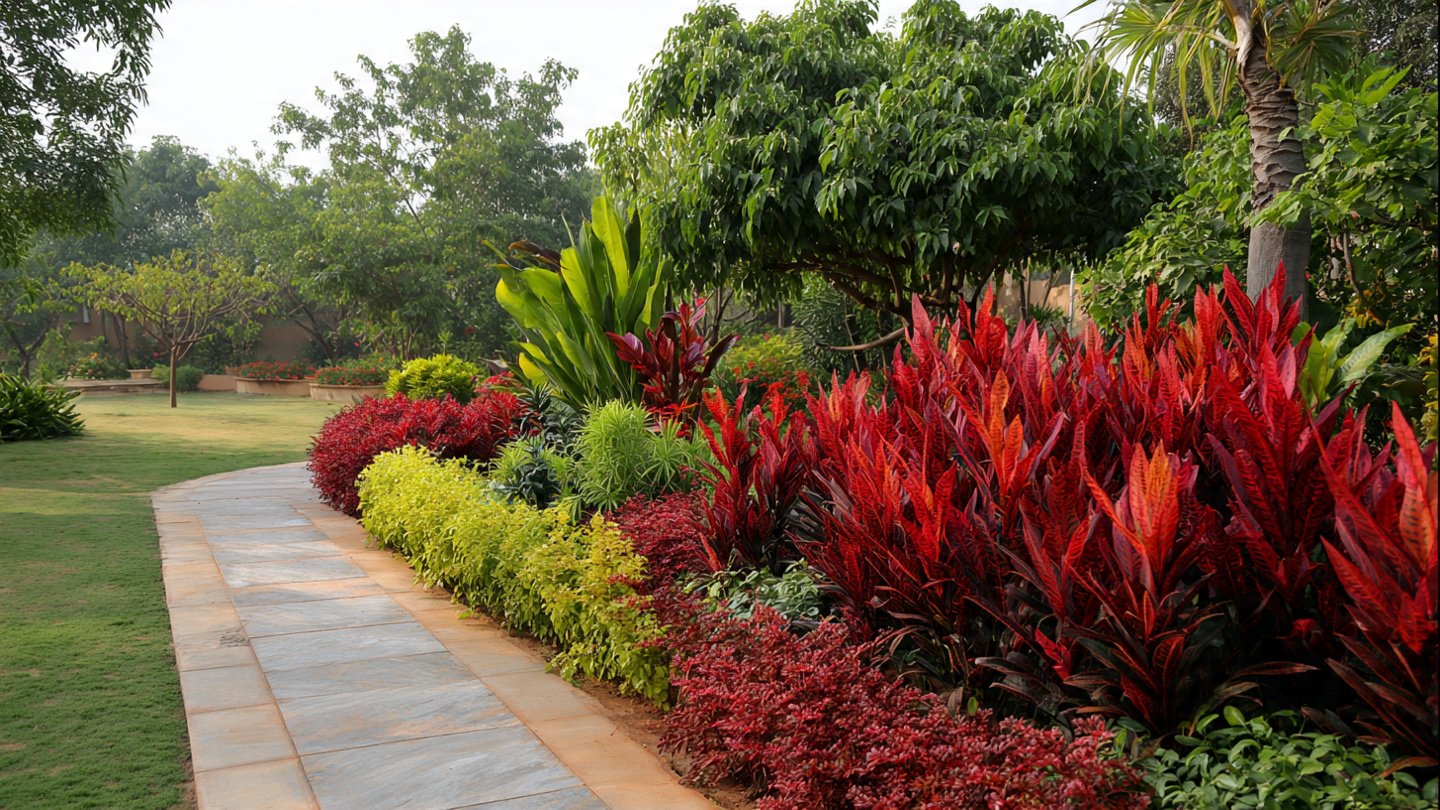
Creating a beautiful and sustainable garden in India’s diverse climate can be both a rewarding and challenging endeavor. With varying weather conditions from humid coastal regions to the arid deserts, selecting and nurturing the right hardy landscape plants is essential for a thriving garden. In this guide, we will explore key strategies, suitable plant choices, and maintenance tips that will help you create a flourishing landscape in Indian weather.
Understanding the Indian Climate
India boasts a diverse climate, characterized mainly by the following regions:
Latest Posts
- A Comprehensive Guide to Successfully Growing Grape Vines in Your Backyard for Beginners and Experts Alike
- Best Tips for Successful Mango Growth in Containers
- Discover the Simple Steps for Successfully Growing Coriander in a Pot
- Discovering the Ultimate Guide to Growing African Violets from Leaf Cuttings
- Simple Techniques for Successfully Growing Seedless Grapes in Home Gardens
- Ultimate Guide to Growing Balsam Plants Naturally for Vibrant Blooms
- Discover the Secrets to Growing Lush Leek Leaves with Simple Hacks for Beginners
- How to Successfully Cultivate Sweet Cherries in the Unique Climate of Canada
- The Ultimate Guide to Successfully Growing Beautiful Succulent Garden Plants at Home
- A Comprehensive Guide to Growing Dhania from Seeds for Beginners
- Tropical Wet: Coastal areas, like Kerala and Goa, experience high humidity and considerable rainfall.
- Tropical Dry: Regions like Rajasthan and parts of Gujarat have hot, dry summers with limited rainfall.
- Temperate: States like Himachal Pradesh and Uttarakhand are characterized by mild summers and cold winters.
- Arid: The Thar Desert in Rajasthan faces extreme temperatures and very low rainfall.
Understanding your specific climate zone is crucial in selecting suitable plants that can thrive with minimal care.
Choosing the Right Hardy Landscape Plants
1. Drought-Tolerant Plants
For arid and dry regions, select drought-tolerant plants that can survive with minimal water:
-
Succulents: Plants like aloe vera and agave are excellent choices. They require little water and add unique textures to the landscape.
-
Cacti: These plants thrive in dry conditions and can be vibrant focal points in the garden.
-
Desert Rose (Adenium obesum): Known for its beautiful blooms, this plant does well in hot and dry conditions.

2. Tropical Plants for Humid Areas
If you live in a coastal or humid region, consider the following hardy plants:
-
Hibiscus: These flowering plants thrive in humid conditions and add vibrant colors to any garden.
-
Bamboo: Fast-growing and drought-resistant once established, bamboo provides a tropical aesthetic and can serve as a privacy screen.
-
Philodendron: Perennial favorites in Indian gardens, they are adaptable to various conditions and require consistent moisture.
3. Native Plants
Utilizing native plants ensures better growth as they are adapted to local conditions:
-
Kadam (Neolamarckia cadamba): A fast-growing tree that provides shade and wildlife habitat.
-
Gulmohar (Delonix regia): Known for its stunning red flowers, this tree thrives in hot climates.
-
Marigold (Tagetes): A colorful annual that can withstand dry spells and attracts beneficial insects to your garden.
4. Ornamental Grasses
Ornamental grasses add texture to your garden and can withstand variable conditions:
-
Pennisetum: Varieties like ‘Fountain Grass’ adapt well in both humid and dry climates.
-
Deschampsia: A hardy perennial grass that thrives even in poor soil conditions.
Soil Preparation
The foundation of a successful garden starts with soil preparation. Here’s how to ensure your soil is conducive to plant growth:
1. Soil Testing
Conduct a soil test to determine pH levels and nutrient availability. Most landscape plants prefer slightly acidic to neutral soil (pH 6.0 – 7.0).
2. Amend the Soil
Incorporate organic matter such as compost or well-rotted manure. This improves soil structure, enhances fertility, and aids water retention.
3. Drainage
Ensure proper drainage, particularly in humid areas prone to waterlogging. Raised beds can enhance drainage and prevent root rot.
Planting Techniques
1. Proper Spacing
When planting, consider the mature size of the plants to avoid overcrowding, which can lead to competition for nutrients and light.
2. Timing
The best times to plant in India are during the monsoon season (June to September) or just before the winter months (October to December) for most plants. Avoid planting during extreme summer heat.
3. Mulching
Apply a layer of organic mulch around your plants to retain moisture, suppress weeds, and regulate soil temperature.
Watering Practices
1. Frequency
Adjust watering frequency based on weather conditions. In general:
-
Water deeply but infrequently: Allow the top layer of soil to dry out between watering sessions.
-
Drip irrigation: This method conserves water and delivers it directly to the roots.
2. Rainwater Harvesting
Consider installing a rainwater harvesting system to utilize natural precipitation, benefiting your garden during dry spells.
Pest and Disease Management
1. Integrated Pest Management (IPM)
Employ an IPM approach that combines biological, cultural, and mechanical practices:
-
Natural Predators: Utilize beneficial insects like ladybugs and lacewings to control aphid populations.
-
Neem Oil: A natural pesticide derived from the neem tree can help deter many pests without harming beneficial organisms.
2. Regular Monitoring
Routine checks on your plants can help catch infestations or diseases early. Look for wilting, discoloration, or unusual spots on leaves.
Fertilizing Strategies
1. Organic Fertilizers
Use organic fertilizers such as compost, vermicompost, and bone meal to improve soil health and provide essential nutrients.
2. Schedule
Fertilize during the growing season (spring to early fall). Avoid over-fertilizing, as this may stress plants and lead to nutrient imbalances.
Seasonal Maintenance
1. Pruning
Regular pruning promotes healthy growth and flowering. Remove dead or diseased branches to encourage new growth.
2. Seasonal Cleanup
At the end of every season, clear away debris and fallen leaves. This prevents the spread of diseases and pests.
Creating a Microclimate
Enhance the growing conditions for your plants by creating microclimates:

-
Windbreaks: Plant trees or hedges to protect delicate plants from harsh winds.
-
Shade: Position taller plants or structures to provide relief from intense sunlight for more shade-loving species.
-
Water Features: Adding water elements can create a cooling effect and attract pollinators.
Sustainable Practices
1. Composting
Start a compost bin to recycle kitchen scraps and garden waste, enriching your garden soil over time.
2. Organic Gardening
Avoid harmful pesticides and chemical fertilizers. Prioritize organic practices for a healthier ecosystem.
Conclusion
Creating a thriving garden in Indian weather requires thoughtful planning, suitable plant selections, and effective maintenance practices. By understanding your local climate, soil conditions, and integrating hardy landscape plants, you can achieve a beautiful and sustainable garden that flourishes year-round. Whether you’re looking to beautify your home, attract wildlife, or grow food, the right approach can lead to enduring success in your gardening endeavors.
As you embark on your gardening journey, remember that patience and observation are key. Watch how your plants respond to their environment, and be prepared to adjust your techniques accordingly. Happy gardening!