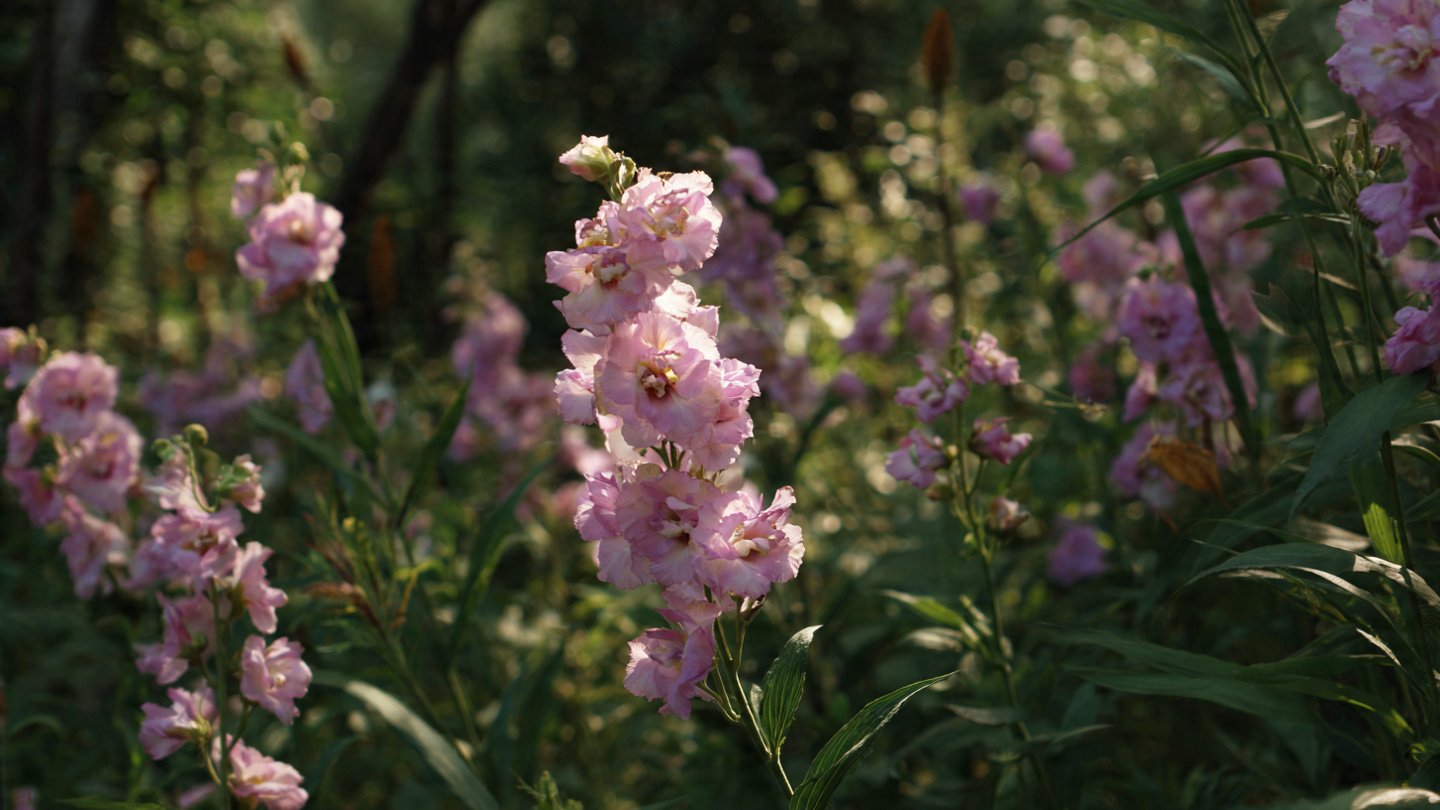
Creating a garden filled with fragrant flowers is a dream for many gardening enthusiasts. One of the most beloved flowers for this purpose is the stock flower (Matthiola incana). Its delightful fragrance and beautiful blooms make it a popular choice in both home gardens and floral arrangements. In this guide, we will explore everything you need to know about growing stock fragrant flowers to cultivate a lush, scented garden.
Understanding Stock Flowers
The Basics of Stock
Latest Posts
- A Comprehensive Guide to Successfully Growing Grape Vines in Your Backyard for Beginners and Experts Alike
- Best Tips for Successful Mango Growth in Containers
- Discover the Simple Steps for Successfully Growing Coriander in a Pot
- Discovering the Ultimate Guide to Growing African Violets from Leaf Cuttings
- Simple Techniques for Successfully Growing Seedless Grapes in Home Gardens
- Ultimate Guide to Growing Balsam Plants Naturally for Vibrant Blooms
- Discover the Secrets to Growing Lush Leek Leaves with Simple Hacks for Beginners
- How to Successfully Cultivate Sweet Cherries in the Unique Climate of Canada
- The Ultimate Guide to Successfully Growing Beautiful Succulent Garden Plants at Home
- A Comprehensive Guide to Growing Dhania from Seeds for Beginners
Stock flowers, known for their densely packed clusters of blooms, are part of the Brassicaceae family, which also includes vegetables like cabbage and broccoli. These flowers come in various colors, including white, pink, purple, and yellow, often with a sweet, clove-like scent.
Types of Stock Flowers
- Matthiola incana: Commonly referred to as ten-week stock, it’s often grown as an annual in many climates.
- Matthiola longipetala: Known for its trailing growth, this type is great for hanging baskets or containers.
- Perennial stock: Some varieties are perennial and will return for several years, providing continued beauty and fragrance.
Ideal Growing Conditions
For optimal growth, stock flowers thrive in specific conditions:

- Sunlight: They prefer full sun, needing at least six hours of direct sunlight per day.
- Soil: Well-draining soil enriched with organic matter is essential. A pH of 6.0 to 7.0 is ideal.
- Space: Space plants about 8 to 12 inches apart to ensure adequate air circulation.
Growing Stock Flowers
Planting Stock Flowers
Timing
- From Seeds: Start seeds indoors about 6 to 8 weeks before the last frost date, or sow them directly outdoors after the danger of frost has passed.
- Transplants: If you opt to buy young plants, transplant them in early spring for summer blooms or in the late summer for fall blooms.
Seed Starting Indoors
- Select Containers: Use seed trays or biodegradable pots filled with seed-starting mix.
- Sowing Seeds: Sprinkle seeds lightly on the surface and cover them with a thin layer of soil. Water gently.
- Germination Conditions: Keep the soil moist but not soggy, and place in a location with bright, indirect sunlight. Germination typically occurs within 5 to 10 days.

Direct Sowing
If you choose to sow seeds directly in the garden:
- Prepare the Bed: Loosen the soil and amend it with compost or well-rotted manure.
- Sow: Make shallow furrows and sprinkle seeds. Cover lightly and water.
- Thinning: Once seedlings have a few true leaves, thin them out to the recommended spacing.
Care and Maintenance
Watering
- Keep the soil consistently moist, especially during dry spells. Avoid overwatering, which can lead to root rot.
Fertilizing
- Fertilize every 4 to 6 weeks with a balanced fertilizer after the plants start to establish. This encourages healthy growth and vibrant blooms.
Pest and Disease Management
- Regularly inspect for pests such as aphids and caterpillars. Use insecticidal soap or neem oil as needed.
- For diseases, ensure good air circulation and avoid overhead watering to prevent fungal issues.
Deadheading and Cutting Back
To encourage more blooms and maintain a tidy appearance, regularly deadhead spent flowers. You can also cut back plants by half early in the season to promote bushier growth.
Creating a Scented Garden Environment
Companion Planting
Stock flowers pair beautifully with other fragrant plants, creating an aromatic haven. Consider planting alongside:
- Lavender: Its calming scent complements the sweetness of stocks.
- Roses: The classic fragrance of roses enhances the aromatic mix.
- Sweet Peas: Their delightful aroma works well with the clove-like scent of stock.
Designing Your Garden Layout
- Layers of Scent: Place taller plants like stocks at the back of garden beds, with shorter flowering plants in front to create depth and interest.
- Pathways: Consider creating garden pathways lined with stock flowers, providing a sensory experience as you walk through.
Seasonal Considerations
- Spring Display: Plant early blooming stock varieties for vibrant spring color.
- Autumn Interest: Some perennial stocks bloom in fall, ensuring your garden remains fragrant as the seasons change.
Harvesting Stock Flowers
Cutting Flowers for Arrangements
To enjoy stock flowers indoors, cut them when they are just beginning to open. Use sharp scissors and cut at an angle to allow for maximum water absorption. Remove any leaves that will sit below the waterline to prevent rot.
Preserving Freshness
To keep stock flowers fresh, place them in cool water immediately after cutting. Change the water every few days and trim the stems as needed.
Dried Stocks

Stock flowers can also be dried for use in arrangements. Hang them upside down in a dry, dark place until fully dried, then store in a cool, dry location.
Troubleshooting Common Issues
Yellowing Leaves
This could indicate overwatering or nutrient deficiency. Ensure soil drainage and consider adding a balanced fertilizer.
Stunted Growth
If stocks aren’t growing as expected, check sunlight exposure and ensure they aren’t overcrowded.
Fungal Diseases
If you notice wilting or discolored leaves, provide better air circulation and avoid watering the leaves directly.
Conclusion
Growing stock fragrant flowers can transform your garden into a lush, scented paradise. By understanding the specific needs and care of stock flowers, you can enjoy their beauty and fragrance throughout the growing season. With proper planning, maintenance, and companionship with other plants, your garden can be a delightful escape filled with one of nature’s most beautiful fragrances. Whether you choose to incorporate these flowers into your landscape design, cutting gardens, or as gifts for loved ones, stock flowers are an excellent addition, bringing joy and a lush aroma to your outdoor space. So start planting, nurturing, and indulging in the enchanting aroma of stock flowers, and create your personal haven of fragrance and beauty.