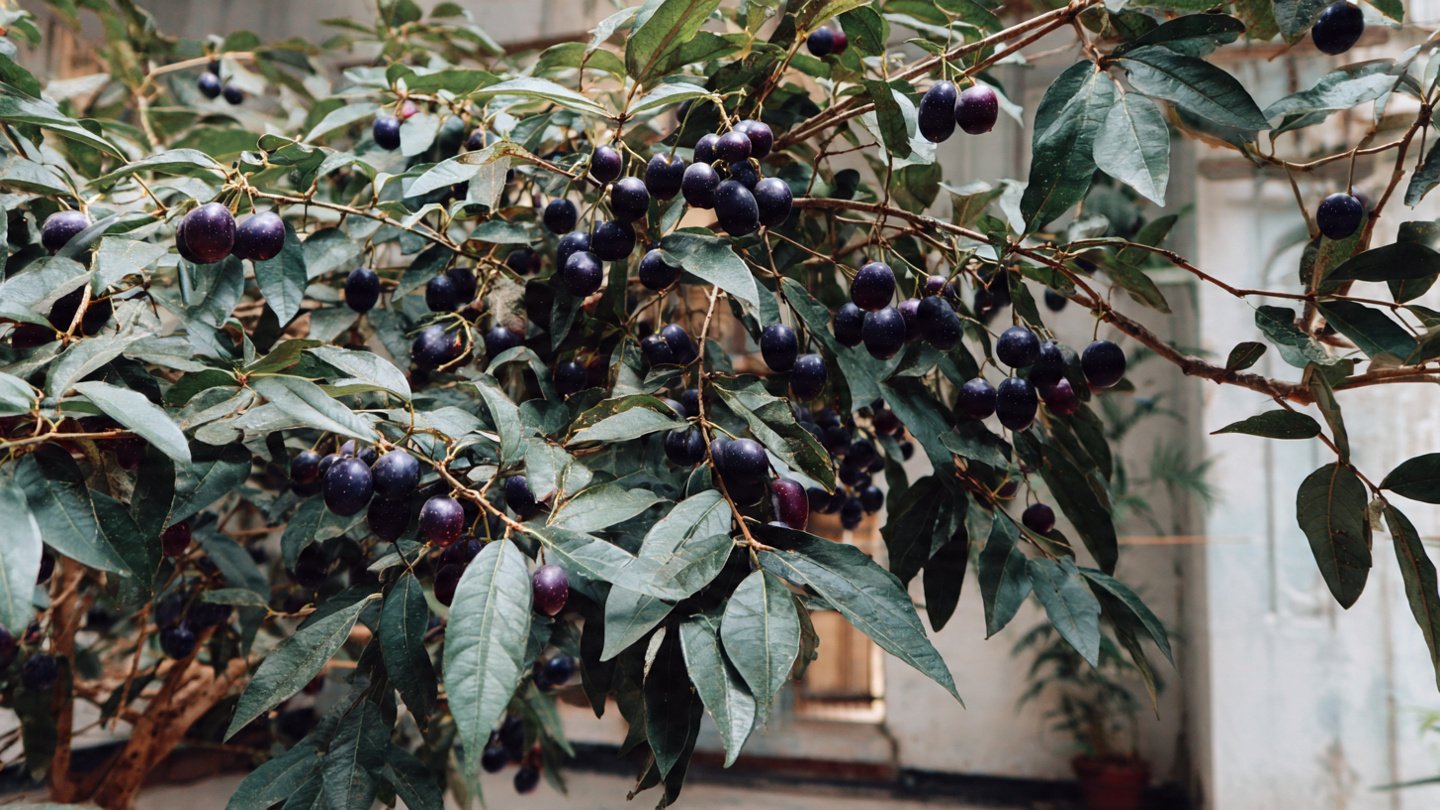
The Jamun tree, scientifically known as Syzygium cumini, is a tropical evergreen tree native to the Indian subcontinent. Known for its nutrient-rich fruits and aromatic foliage, the Jamun tree is not only a visual treat but also beneficial for health. Growing a Jamun tree indoors is an engaging endeavor, offering a mini-ecosystem to nurture. However, successful indoor cultivation requires knowledge and mindful care. This guide will provide comprehensive insights into creating an ideal environment for your Jamun tree, including planting, watering, fertilizing, pest management, and general care.
Understanding the Jamun Tree
Before delving into the care specifics, let’s understand what makes the Jamun tree unique. The tree can grow up to 30 meters in height in its natural environment, producing dark purple to black berries that are celebrated for their sweet and tangy flavor. The nutritional benefits of Jamun fruit include high antioxidants, vitamins, and minerals, making it a popular choice for health-conscious individuals.
Latest Posts
- A Comprehensive Guide to Successfully Growing Grape Vines in Your Backyard for Beginners and Experts Alike
- Best Tips for Successful Mango Growth in Containers
- Discover the Simple Steps for Successfully Growing Coriander in a Pot
- Discovering the Ultimate Guide to Growing African Violets from Leaf Cuttings
- Simple Techniques for Successfully Growing Seedless Grapes in Home Gardens
- Ultimate Guide to Growing Balsam Plants Naturally for Vibrant Blooms
- Discover the Secrets to Growing Lush Leek Leaves with Simple Hacks for Beginners
- How to Successfully Cultivate Sweet Cherries in the Unique Climate of Canada
- The Ultimate Guide to Successfully Growing Beautiful Succulent Garden Plants at Home
- A Comprehensive Guide to Growing Dhania from Seeds for Beginners
Characteristics of the Jamun Tree
- Foliage: The tree has dense, glossy leaves that are evergreen, providing a lush appearance year-round.
- Flowers: The small white flowers, typically appearing in spring, are not only beautiful but attract pollinators like bees and butterflies.
- Fruit: The Jamun fruit is oval, about one inch long, and has a deep purple skin, which turns black when ripe.
With this understanding, you are better prepared to create an environment that mimics the Jamun tree’s native habitat.
Selecting the Right Container
Choosing the correct container is crucial for the health of your indoor Jamun tree. Here are a few points to consider when selecting a pot:
- Size: A large pot (at least 18-24 inches in diameter) is necessary to accommodate the deep roots of the Jamun tree.
- Material: Opt for clay or ceramic pots, as they allow for better air circulation to the roots. Avoid plastic pots, as they may retain excess moisture and can cause root rot.
- Drainage: Ensure the pot has adequate drainage holes. Excess water can lead to stagnant conditions that can harm the roots.

Soil Requirements
The type of soil you use plays an instrumental role in the growth of your Jamun tree. Here’s what to look for:
- Well-Draining Soil: A mixture of potting soil, sand, and organic compost is ideal. This mix promotes drainage while providing nutrients.
- pH Level: Aim for a slightly acidic to neutral pH (around 6.0-7.0).
Appropriate soil will create a conducive atmosphere for root growth and overall tree health.
Planting the Jamun Tree
Once you have selected your container and prepared the soil, it’s time to plant your Jamun tree:
-
Seed or Sapling: You can grow a Jamun tree from seeds or a young sapling. Seeds need to be fresh and planted soon after harvesting.
-
Planting Depth: If using seeds, plant them at a depth of about 1 inch. If you’re using a sapling, ensure that the root ball is planted level with the soil surface.
-
Watering: After planting, water the soil thoroughly to eliminate air pockets and ensure good root-to-soil contact.
Watering Your Jamun Tree
Proper watering is essential for the Jamun tree’s growth. Here are some guidelines:
-
Frequency: Water your Jamun tree once a week during the growing season (spring and summer), and reduce the frequency in the winter. Ensure the top inch of soil is dry before watering again.
-
Technique: Water deeply but infrequently; this encourages deeper root growth. Avoid letting water pool at the base of the pot to prevent root rot.
-
Signs of Under or Over-watering: Yellow leaves may indicate poor drainage or over-watering, while drooping leaves can signal underwatering.
Fertilization
Providing the right nutrients is vital for your Jamun tree’s health. Here’s a seasonal fertilization guide:
-
Spring and Summer: Fertilize once every six weeks using a balanced, water-soluble fertilizer. Look for a formulation with equal parts nitrogen, phosphorus, and potassium (N-P-K), such as a 10-10-10 ratio.
-
Fall and Winter: Reduce fertilization during the dormant months. You may use a slow-release fertilizer at this time to support root health.
Use the recommended dosage on the fertilizer package, and avoid over-fertilizing, which can harm the plant.
Light Requirements
The Jamun tree thrives best under bright, indirect sunlight. Here’s how to ensure it receives adequate light:
-
Placement: Place your Jamun tree near a south-facing window where it can absorb plenty of light.
-
Duration: Aim for at least six to eight hours of indirect sunlight daily. You can rotate the pot every few weeks to ensure even growth.
-
Supplemental Light: If natural light is insufficient, especially in winter, consider using a grow light for eight hours a day to supplement sunlight.
Temperature and Humidity
Optimal Temperature
The Jamun tree prefers a warm environment:
- Ideal Temperature: Maintain a temperature range of 70-85°F (21-29°C). Temperatures below 50°F (10°C) can stress the tree.
Humidity Levels
-
Air Circulation: Good air circulation can help maintain humidity levels. While Jamun trees can withstand various humidity levels, moderate humidity (around 50-60%) is ideal.
-
Enhancing Humidity: If your indoor environment is dry, consider using a humidifier or placing a dish of water nearby to increase humidity levels.
Pruning and Training
Pruning is essential for maintaining the health and aesthetic of your Jamun tree:
-
When to Prune: Early spring is the best time to prune, just before new growth starts.
-
Methods: Remove dead or damaged branches, and thin out overly dense areas to promote air circulation. You can also shape your tree using pruning techniques to encourage an attractive, bushy form.
Pest Management
Indoor plants are not immune to pests. Monitor your Jamun tree regularly for signs of infestation:
-
Common Pests: Aphids, scale insects, and spider mites can affect the Jamun tree.
-
Natural Remedies: Use insecticidal soap or neem oil to combat these pests, applying it according to the product instructions. Additionally, introducing beneficial insects, such as ladybugs, can help control pest populations.
Common Issues and Troubleshooting
Leaf Yellowing
- Causes: This may be due to over-watering, nutrient deficiency, or insufficient light.
- Solution: Assess your watering schedule, fertilization routine, and light exposure.
Stunted Growth
- Causes: Hormonal imbalances or nutrient deficiencies can lead to stunted growth.
- Solution: Ensure your tree receives adequate light and nutrients.
Leaf Drop
- Causes: Stress from environmental changes, such as temperature fluctuations or over-watering.
- Solution: Create a stable environment and avoid sudden changes in conditions.
Harvesting the Fruits
If all care is taken, your Jamun tree will eventually bear fruit. Here’s how to know when to harvest:
- Color Change: The fruit will turn dark purple or black when mature, typically in the summer months.
- Taste Test: If the fruit is sweet with a slight tang, it’s ready for Harvest.
Conclusion
Growing a Jamun tree indoors can be a fulfilling and beneficial experience, offering not only aesthetic charm but also delicious, nutrient-rich fruits. By ensuring the right environment—selecting suitable containers, ensuring appropriate soil requirements, providing adequate water and light, and managing pests—you can cultivate a healthy, thriving Jamun tree. Regular maintenance through pruning and fertilization will further support its growth. Whether you’re a novice gardener or an experienced plant lover, following these guidelines will help you enjoy the beauty and bounty of this remarkable tree. Happy gardening!