Introduction
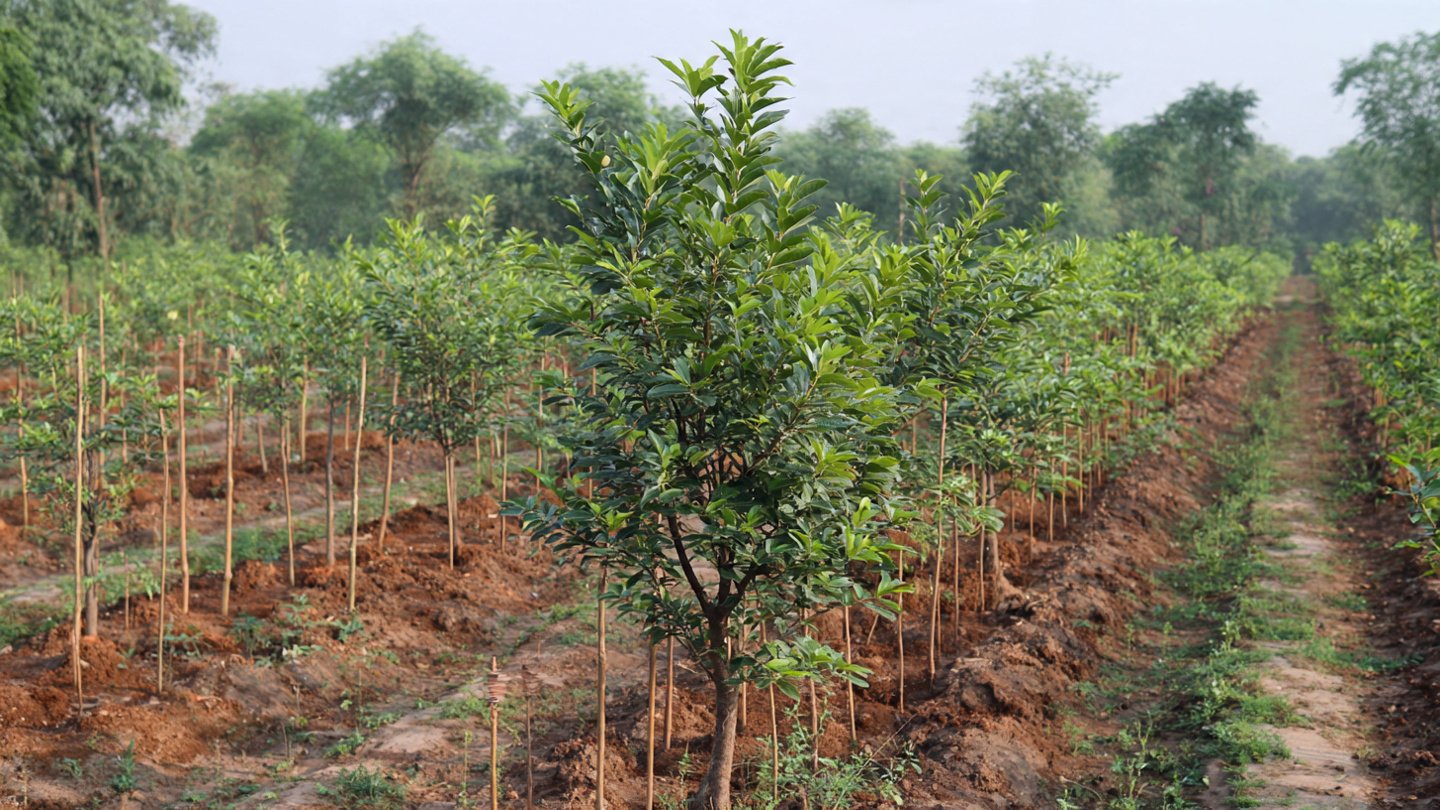
Jamun (Syzygium cumini), also known as black plum or Java plum, is a tropical fruit renowned for its nutritional benefits and medicinal properties. Known for its rich purple-black color and sweet-tart flavor, the jamun fruit is highly sought after in many regions, particularly in South Asia. Achieving rapid growth in jamun trees requires careful attention to several factors, with soil preparation being paramount. This article will explore the intricacies of optimal soil preparation and its crucial role in cultivating healthy, fast-growing jamun trees.
The Importance of Soil in Tree Growth
Latest Posts
- A Comprehensive Guide to Successfully Growing Grape Vines in Your Backyard for Beginners and Experts Alike
- Best Tips for Successful Mango Growth in Containers
- Discover the Simple Steps for Successfully Growing Coriander in a Pot
- Discovering the Ultimate Guide to Growing African Violets from Leaf Cuttings
- Simple Techniques for Successfully Growing Seedless Grapes in Home Gardens
- Ultimate Guide to Growing Balsam Plants Naturally for Vibrant Blooms
- Discover the Secrets to Growing Lush Leek Leaves with Simple Hacks for Beginners
- How to Successfully Cultivate Sweet Cherries in the Unique Climate of Canada
- The Ultimate Guide to Successfully Growing Beautiful Succulent Garden Plants at Home
- A Comprehensive Guide to Growing Dhania from Seeds for Beginners
Soil is the foundation of any plant’s growth. For jamun trees, healthy soil influences root development, nutrient uptake, and overall vitality. The right soil conditions not only support rapid growth but also ensure that the trees are resilient to pests and diseases.
Key Elements of Soil Health
-
Texture: The soil’s texture (the proportion of sand, silt, and clay) affects its ability to retain moisture and nutrients. Jamun trees thrive in loamy soils, which have a balanced mixture of these components.
-
pH Level: The ideal pH for jamun trees is slightly acidic to neutral (between 6.0 and 7.5). Soil acidity affects nutrient availability.
-
Nutrient Composition: Essential nutrients include nitrogen (N), phosphorus (P), potassium (K), calcium (Ca), and magnesium (Mg). A nutrient-rich soil fosters robust growth.
-
Organic Matter: The addition of organic matter improves soil structure, enhances moisture retention, and provides essential nutrients.
Optimal Soil Preparation for Jamun Trees

Achieving the right soil conditions for jamun trees involves several steps, starting from site selection to the actual soil preparation process.
Step 1: Site Selection
Location: Jamun trees flourish in well-draining areas with ample sunlight, ideally in regions experiencing temperatures between 20°C to 30°C.
Step 2: Soil Testing
Before starting the preparation, conduct a soil test to determine the existing pH, nutrient levels, and texture of your soil. This information is vital for developing a tailored improvement plan.
Step 3: Land Clearing and Tilling
-
Land Clearing: Remove any existing vegetation, weeds, and debris from the planting area. This minimizes competition for nutrients and light.
-
Tilling: Loosen the soil to a depth of at least 12 inches using a plow or tiller. This process aerates the soil, enhancing root penetration and water infiltration.
Step 4: Amending the Soil
Based on your soil test results, you may need to amend your soil to improve its quality.
-
pH Adjustment: If the soil is too acidic, add lime to increase pH; if it’s too alkaline, incorporate elemental sulfur.
-
Nutrient Enrichment:
- Nitrogen: Use well-rotted manure, compost, or nitrogen-rich fertilizers.
- Phosphorus: Rock phosphate or bone meal can be effective amendments.
- Potassium: Potash or seaweed extracts work well for increasing potassium levels.
-
Organic Matter: Incorporate rich organic materials like compost, well-decayed leaf litter, or green manure into the soil. Aim for a mixture that comprises 20-30% organic matter.
Step 5: Soil Drainage and Structure
Jamun trees prefer well-draining soils. If your soil tends to retain water:
-
Raised Beds: Construct raised beds to improve drainage, especially in regions prone to heavy rainfall.
-
Sand Addition: Incorporate coarse sand or perlite into heavy soils to improve drainage.
Step 6: Mulching
After planting, applying organic mulch helps retain moisture, suppress weeds, and gradually enriches the soil as it decomposes.
Planting Jamun Trees
Once the soil is well-prepared, proceed with planting the jamun trees.
Selecting Healthy Saplings
Choose disease-free, healthy saplings with a robust root system. It’s advisable to purchase saplings from reputable nurseries.
Spacing and Planting
-
Spacing: Space saplings about 20-30 feet apart to allow ample growth and airflow.
-
Planting Depth: Dig a hole that’s twice the width and the same depth as the root ball of the sapling. Ensure that the top of the root ball is level with the soil surface when planted.
Watering and Irrigation
Proper watering is essential for young jamun trees.

-
Initial Watering: Water immediately after planting to reduce transplant shock.
-
Irrigation Schedule: Maintain consistent moisture, especially during dry spells. Ensure the trees do not become waterlogged, as this can damage the roots.
-
Drip Irrigation: Consider drip irrigation systems, as they deliver water directly to the roots while minimizing evaporation and runoff.
Fertilization
Nurturing young jamun trees with the right fertilizers aids in rapid growth.
-
Organic Fertilizers: Use organic options like compost, well-rotted manure, or fish emulsion every spring.
-
Chemical Fertilizers: If using chemical fertilizers, a balanced NPK fertilizer (like 10-10-10) can be applied during the growing season. Follow dosage instructions carefully to avoid nutrient burn.
Pest and Disease Management
Healthy soil promotes strong plants, but monitoring for pests and diseases is still vital.
-
Regular Inspections: Check leaves and fruit for signs of pests like leafcutter ants, aphids, or fungal infections.
-
Preventive Measures: Use natural insecticides and fungicides, and encourage beneficial insects like ladybugs.
-
Soil Health Monitoring: Maintain soil health to reduce pest susceptibility.
Pruning and Training
Once the trees establish, proper pruning can enhance growth.
-
Training: Train young trees to develop a strong, open structure for better sunlight exposure.
-
Pruning: Remove dead or crossing branches and thin out overcrowded areas.
Conclusion
Achieving rapid growth in jamun trees requires a well-structured approach to soil preparation, combining various techniques that ensure optimum conditions for development. From site selection and soil testing to careful management of nutrients, moisture, and pests, every step contributes to the tree’s overall health. With the right practices, you can cultivate vibrant jamun trees that not only grow quickly but also bear abundant, delicious fruit for years to come. By understanding the art and science of soil preparation, you empower yourself to maximize the potential of your jamun farming endeavors.