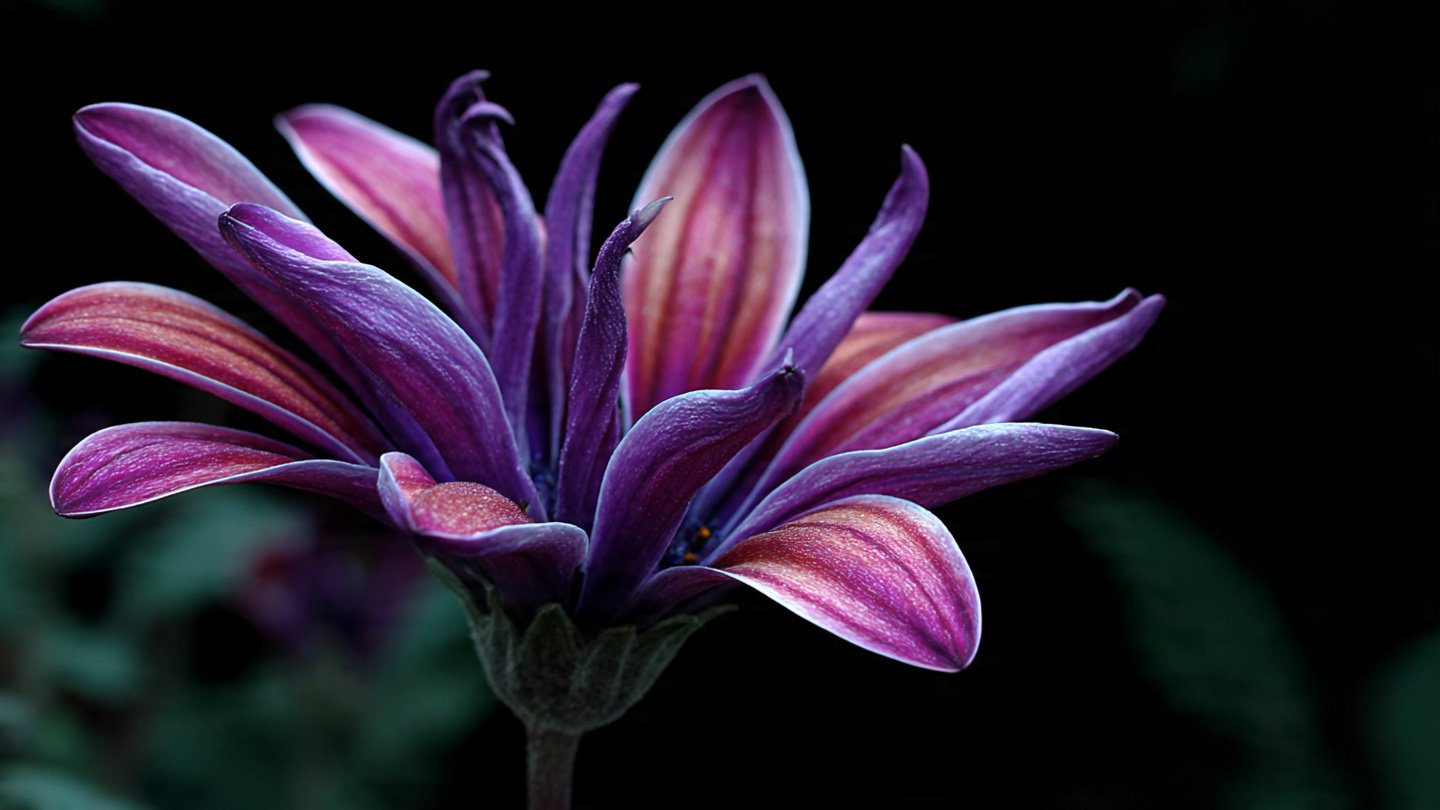
Stock flowers, renowned for their delightful fragrance and vibrant colors, are a favorite among gardeners and flower enthusiasts alike. Whether you’re looking to enhance your garden, create stunning bouquets, or simply enjoy their beauty, growing stock flowers from seed can be a rewarding experience. This guide will take you through the step-by-step process of successfully cultivating stock flowers, providing you with all the tips and tricks you need to ensure a thriving bloom.
Understanding Stock Flowers
Before diving into the cultivation process, it’s essential to understand what stock flowers are. Stock (Matthiola incana) is a charming biennial or perennial plant known for its dense clusters of colorful blossoms. They typically bloom in shades of pink, white, yellow, and purple and are highly valued for their long-lasting blooms and sweet scent.
Latest Posts
- A Comprehensive Guide to Successfully Growing Grape Vines in Your Backyard for Beginners and Experts Alike
- Best Tips for Successful Mango Growth in Containers
- Discover the Simple Steps for Successfully Growing Coriander in a Pot
- Discovering the Ultimate Guide to Growing African Violets from Leaf Cuttings
- Simple Techniques for Successfully Growing Seedless Grapes in Home Gardens
- Ultimate Guide to Growing Balsam Plants Naturally for Vibrant Blooms
- Discover the Secrets to Growing Lush Leek Leaves with Simple Hacks for Beginners
- How to Successfully Cultivate Sweet Cherries in the Unique Climate of Canada
- The Ultimate Guide to Successfully Growing Beautiful Succulent Garden Plants at Home
- A Comprehensive Guide to Growing Dhania from Seeds for Beginners
Stock flowers thrive in cooler weather, making them ideal for early spring or fall gardens. They’re often grown as annuals in warmer climates.
Why Choose Stock Flowers?
- Fragrance: Stock flowers are known for their delightful scent, making them perfect for gardens and indoor arrangements.
- Color Variety: With numerous color options, stock flowers can brighten any garden.
- Easy to Grow: With a little knowledge and care, even novice gardeners can successfully grow stock flowers.
Step 1: Gather Your Supplies
Before you start planting, gather all necessary supplies to streamline your gardening process:
Materials Needed:
- Seeds: Choose high-quality stock flower seeds from a reputable source.
- Seed Starting Mix: A fine, well-draining potting mix designed for seed starting.
- Containers or Seed Trays: Options include peat pots, seed trays, or recycled containers with drainage holes.
- Watering Can or Spray Bottle: For gentle watering.
- Plastic Cover or Plastic Wrap: To create a greenhouse effect while germinating.
- Labels and Marker: To keep track of different varieties.

Step 2: Select the Right Time to Plant
Timing is crucial when growing stock flowers. They prefer cooler temperatures for optimal growth:
- Indoor Sowing: Start seeds indoors 6-8 weeks before the last expected frost date.
- Outdoor Sowing: Plant seeds outdoors when the soil is workable and the chance of frost has passed. This is typically in early spring in most regions.
Step 3: Prepare Your Containers
Choose containers that allow for good drainage. Fill them with the seed starting mix, leaving about half an inch of space from the top. Moisten the mix slightly before planting the seeds to ensure the soil is damp but not soggy.
Step 4: Sowing the Seeds
How to Plant:
- Depth: Sow the seeds about ¼ inch deep.
- Spacing: If using a seed tray, space seeds approximately 2 inches apart to allow for growth.
- Cover: Lightly cover the seeds with soil, ensuring they’re not too deep as stock flowers require light to germinate.

Step 5: Watering
Using a watering can or spray bottle, gently water the soil to avoid displacing the seeds. The soil should be kept consistently moist but not waterlogged. Excess water can cause seed rot.
Step 6: Providing Proper Conditions
Light:
- Indirect Sunlight: Place your containers in a brightly lit area but avoid direct sunlight that may overheat and dry out the soil. If you’re starting seeds indoors, a south-facing window or under grow lights is ideal.
Temperature:
- Ideal Range: Stock flowers germinate best at temperatures between 65°F and 75°F (18°C-24°C). Use a heat mat if your home is cool.
Humidity:
Covering your containers with plastic wrap helps maintain humidity levels. Once seedlings emerge, remove the cover to allow airflow.
Step 7: Thinning the Seedlings
Once seedlings develop their first set of true leaves (usually 2-3 weeks after germination), thin them out. Remove weaker seedlings by snipping them at the soil level with scissors. This ensures that remaining plants have enough space and resources to grow strong.
Step 8: Transplanting Seedlings
When seedlings are about 3-4 inches tall and have developed a few sets of leaves, it’s time to transplant them to larger pots or directly into the garden.
Steps for Transplanting:
-
Outdoor Transplanting:
- Wait until after the last frost and when seedlings are 4-6 weeks old.
- Prepare the garden bed by tilling the soil and removing weeds.
- Space plants about 12-18 inches apart to allow for growth.
-
Potting Up:
- Use pots that are several inches wide to allow for root development.
- Carefully remove seedlings from their containers, being gentle with the roots.
- Plant at the same depth as they were in their original containers.
Step 9: Caring for Your Plants
Caring for your stock flowers is crucial for ensuring vibrant and healthy blooms.
Watering:
Keep the soil consistently moist, especially as the plants establish roots. Deep watering once or twice a week is preferable to shallow frequent watering.
Fertilizing:
Once plants are established (about 4-6 weeks after transplanting), apply a balanced, water-soluble fertilizer every 4-6 weeks to promote healthy growth.
Pest and Disease Control:
- Common Pests: Watch for aphids and slugs. Insecticidal soap or neem oil can be effective for pest control.
- Diseases: Avoid overwatering to prevent root rot and fungal diseases. Maintain proper spacing to promote airflow.
Step 10: Harvesting and Enjoying Your Blooms
Stock flowers typically bloom in early summer, showcasing their stunning colors and aromatic fragrance. When harvesting for arrangements:
- Pick in the Morning: Early morning is the best time to cut flowers before the heat of the day.
- Cut at the Right Stage: For vase life, choose blooms that are just beginning to open; this allows them to continue blooming in arrangements.
- Regular Deadheading: To encourage more blooms, regularly remove spent flowers, promoting prolonged flowering throughout the season.

Step 11: Save Seeds for Next Year
If you want to grow stock flowers again, saving seeds is an economical way to continue gardening.
How to Save Seeds:
- Let Flowers Fade: Allow the flowers to fade and dry on the plant, ensuring they produce seed pods.
- Harvest Pods: Once the pods are dry and brown, collect them.
- Store Properly: Store seeds in a cool, dark place in a labeled envelope until the next planting season.
Conclusion
Growing stock flowers from seed can be an enjoyable endeavor that enhances any garden with their beautiful colors and sweet fragrance. With careful planning, attention to detail, and the right conditions, even beginner gardeners can successfully cultivate stock flowers. Follow this step-by-step guide, and soon you’ll be admiring your flourishing stock flowers and perhaps even sharing them with friends and family. Happy gardening!