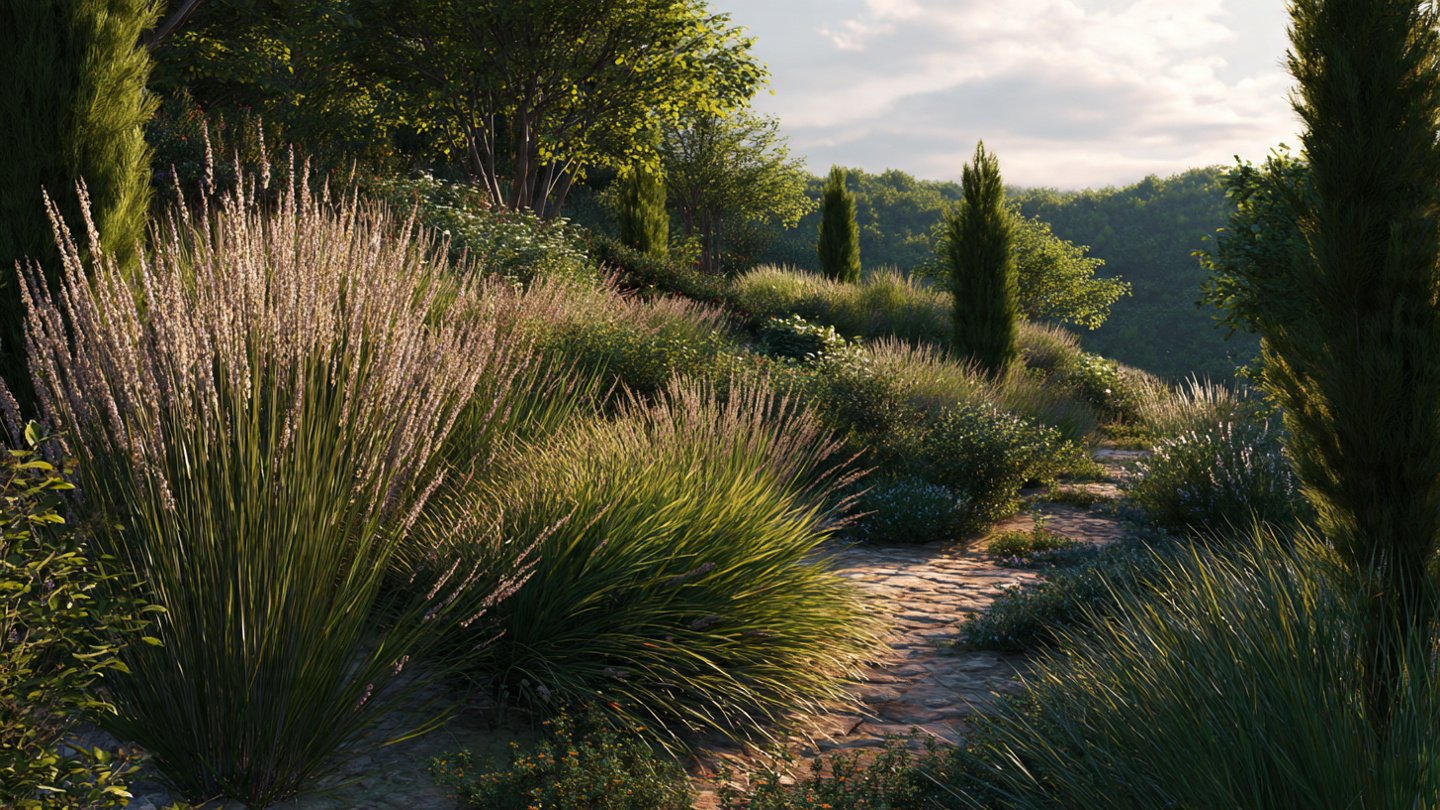
Creating a layered landscape in your garden can transform an ordinary yard into a visually striking oasis. This technique not only enhances the aesthetic appeal but also lends a sense of depth and dimension that draws the eye and creates a more inviting atmosphere. In this article, we will explore how to effectively grow tall plants to establish a layered landscape, focusing on planning, plant selection, maintenance, and tips for achieving stunning visual depth.
Understanding the Principles of Layering
Before diving into the “how-to” aspect, it’s essential to understand the core principles that drive a layered landscape. The idea is to create a sense of depth by arranging plants at different heights, from the tallest at the back to the shortest at the front. This creates a natural, flowing look that mimics the way plants grow in nature.
Key Concepts of Layering
- Vertical Space: Tall plants occupy vertical space, providing a backdrop that highlights shorter plants in the foreground.
- Color Contrast: Layering allows for a vibrant display of colors, as different plant heights can showcase distinct hues, textures, and forms.
- Seasonal Interest: By using a mix of perennial and annual plants, your layered landscape can provide year-round beauty, with different plants showcasing their brilliance in different seasons.
- Natural Habitats: Mimicking nature can reduce maintenance needs. Plants that grow well together often create an ecosystem that supports biodiversity.
Planning Your Layered Landscape
1. Assess Your Space
Before you plant, it’s vital to evaluate the available space. Observe sunlight patterns, soil conditions, and existing hardscapes. This assessment will inform your choice of plants and their placement.
2. Visualize Your Design
Sketching a layout can help you visualize the final result. Consider the following:

- Height: Decide how tall you want each layer to be. A good rule of thumb is to place the tallest plants (generally over 5 feet) at the back and lower varieties (1-3 feet) at the front.
- Width: Factor in the mature width of each plant to avoid overcrowding.
- Color Palette: Choose a color scheme that works well together, keeping in mind the colors of both flowers and foliage.
3. Create a Focal Point
Incorporate a focal point, such as a large decorative pot, statue, water feature, or striking plant. This will draw attention and add depth to your layered landscape.
Latest Posts
- A Comprehensive Guide to Successfully Growing Grape Vines in Your Backyard for Beginners and Experts Alike
- Best Tips for Successful Mango Growth in Containers
- Discover the Simple Steps for Successfully Growing Coriander in a Pot
- Discovering the Ultimate Guide to Growing African Violets from Leaf Cuttings
- Simple Techniques for Successfully Growing Seedless Grapes in Home Gardens
- Ultimate Guide to Growing Balsam Plants Naturally for Vibrant Blooms
- Discover the Secrets to Growing Lush Leek Leaves with Simple Hacks for Beginners
- How to Successfully Cultivate Sweet Cherries in the Unique Climate of Canada
- The Ultimate Guide to Successfully Growing Beautiful Succulent Garden Plants at Home
- A Comprehensive Guide to Growing Dhania from Seeds for Beginners
Selecting Tall Plants for Depth
The selection of tall plants is crucial to achieving the desired layered effect. Here are some excellent categories and examples of plants you might consider:
1. Structural Plants
These are the backbone of your landscape. They provide height and can be used as vertical accents.
- Sunflowers (Helianthus): These cheerful giants can grow up to 10 feet tall in optimal conditions.
- Hollyhocks (Alcea): With tall spikes of flowers that can rise above 6 feet, hollyhocks bring a classic garden feel.
- Giant Reed Grass (Arundo donax): This ornamental grass reaches heights of up to 15 feet and adds a lush, tropical feel.
2. Flowering Plants
Choose flowering varieties to add splashes of color and seasonal interest.

- Delphiniums (Delphinium): Known for their tall, striking flower spikes, delphiniums can reach heights of 4 to 6 feet and come in various blues and purples.
- Lupines (Lupinus): These perennial favorites add vertical interest and can grow to about 4 feet tall with striking flower clusters.
3. Foliage Plants
Incorporating plants with distinctive foliage can enhance your landscape even when flowers are not in bloom.
- Japanese Maples (Acer palmatum): These trees can reach heights of up to 25 feet but can be pruned to maintain a smaller size. Their delicate leaves offer stunning fall color.
- Taller Hostas: Varieties like ‘Sum and Substance’ or ‘Empress Wu’ can reach heights of 3 feet and provide lush foliage contrast.
4. Vines and Climbers
Train these plants to grow vertically against trellises or walls for additional height.
- Clematis: With extensive variety, clematis can add drama thanks to their climbing ability, often growing 6 to 12 feet, depending on the cultivar.
- Honeysuckle: This hardy climber can thrive in a variety of conditions, bringing both fragrance and stunning blooms.
Creating the Layering Effect
1. Plant Arrangement
When arranging plants, think of it in terms of layers:
- Backdrop: Start with your tallest plants. Space them out in a way that allows for airflow and sunlight.
- Middle Ground: The next tier should consist of plants that are medium height. Consider factors like texture and color to create contrast.
- Foreground: Finally, in the front, plant shorter perennials or annuals. These will serve to fill gaps and create a lush base.
2. Grouping and Repetition
Instead of planting individual specimens, group plants in odd numbers (3, 5, 7) for a more natural look. Repeating similar plants throughout creates cohesion and a sense of balance.

3. Utilizing Layers for Privacy
In urban settings, tall plants can also serve as natural screens. Consider planting a mix of tall evergreens and flowering varieties to yield both beauty and privacy.
Maintenance Tips for a Layered Landscape
Once your layered landscape is in place, ongoing maintenance is essential to ensure its longevity and health.
Watering
Regular watering is crucial, especially during the initial establishment phase. A deep watering system can encourage deeper root growth and resilience against drought.
Mulching
Applying mulch helps retain moisture, suppress weeds, and improve soil health. As it breaks down, organic mulch will also provide nutrients to your plants.

Pruning
Regularly inspect your plants for dead or unhealthy foliage. Pruning not only enhances appearance but also encourages healthy growth.
Fertilizing
Use slow-release fertilizers to promote healthy growth and flowering. Always refer to specific plant needs, as some may require different nutrients.
Seasonal Adjustments
A layered landscape can offer seasonal interest throughout the year. Here’s how to keep it lively:
- Spring: Introduce early bloomers like daffodils or tulips that can grow up to sunny spots before your taller plants fill in.
- Summer: Ensure summer bloomers like coneflowers and black-eyed Susans fill in gaps.
- Fall: Planting ornamental grasses provides texture and height as other plants fade.
- Winter: Choose evergreens or beech trees that provide structure and beauty even in colder months.
Conclusion
Creating a layered landscape with tall plants can yield stunning results, turning an ordinary garden into a captivating visual feast. By thoughtfully assessing your space, selecting the right plants, arranging them to maximize depth, and maintaining your landscape, you can achieve a beautiful and sustainable outdoor space.

As you embark on this journey, remember that each layer adds its unique charm, contributing to a dynamic and inviting landscape. So grab your tools, select your plants, and let your creativity flourish as you design your layered oasis!