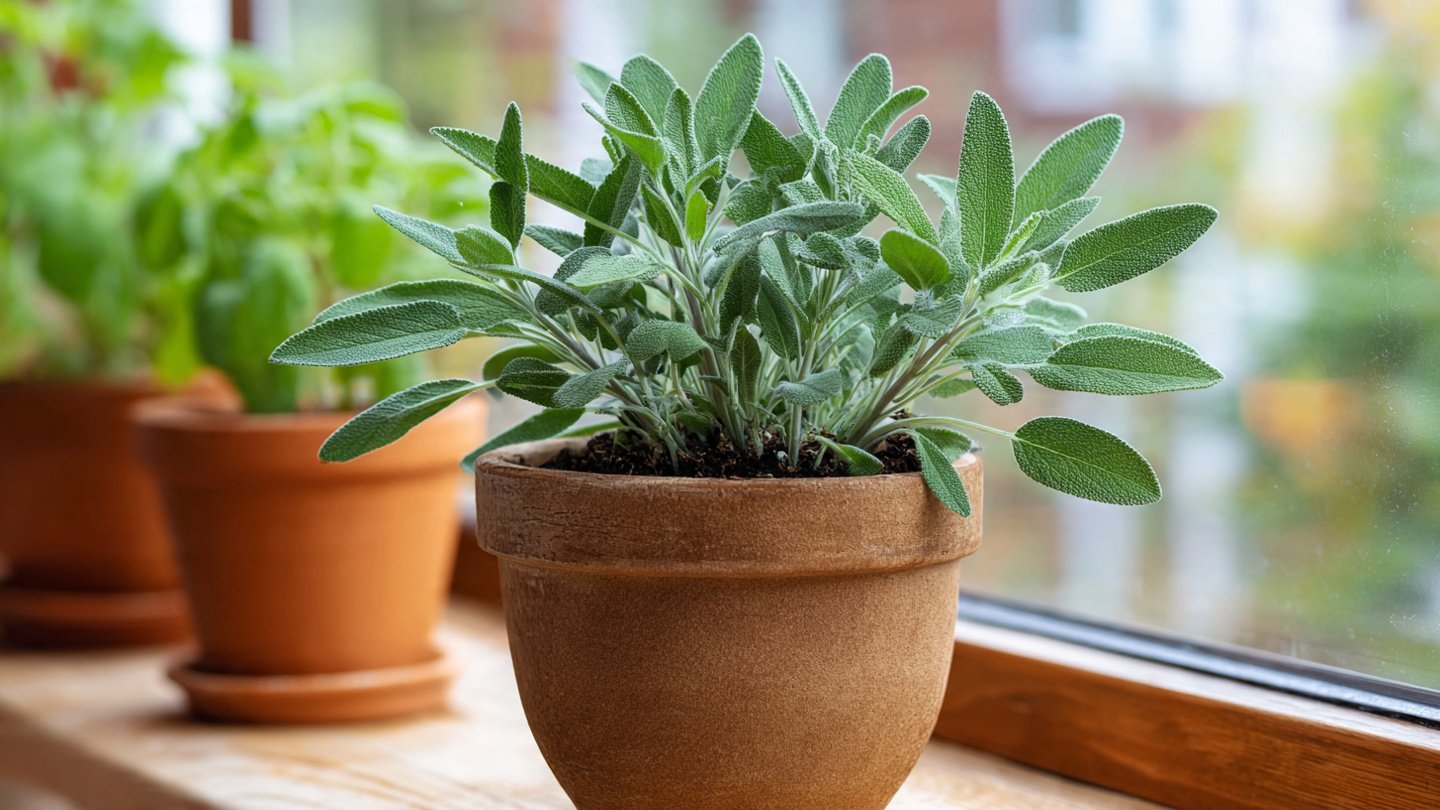
Sage (Salvia officinalis), known for its aromatic leaves and culinary versatility, is a staple herb in many kitchens. While it’s commonly grown outdoors, many people wonder if it’s feasible to nurture this herb indoors. The good news is that yes, you can successfully grow sage indoors! This article will delve into the best practices for growing sage in an indoor environment, offering practical tips that allow you to enjoy this aromatic herb year-round.
Benefits of Growing Sage Indoors
Growing sage indoors has several advantages:
- Accessibility: Having sage on hand can elevate your cooking, allowing you to use fresh leaves whenever you desire.
- Aromatherapy: Sage is known for its soothing aromatic qualities. Growing it indoors can enhance the air quality in your home.
- Control Over Growing Conditions: You can manage plant health by controlling factors such as light, temperature, and humidity.
- Less Pest Exposure: Indoor plants can be less vulnerable to pests and diseases that afflict outdoor gardens.
Choosing the Right Variety
When growing sage indoors, selecting the right variety is essential. Here are a few popular varieties:
- Common Sage: The most familiar type, great for cooking.
- White Sage: Known for its medicinal properties and sacred use in various traditions.
- Purple Sage: A visually striking variety with a slightly different flavor profile.
- Golden Sage: Similar to common sage but has beautifully variegated leaves.
Considerations:
- Flavor Profile: Different varieties have distinct flavors. Choose one that complements your cooking style.
- Growth Habit: Some varieties may grow more compactly, making them better suited for indoor environments.
Essential Growing Conditions
Light Requirements
Sage thrives in full sun, requiring at least 6 to 8 hours of bright light daily. In an indoor setting, natural light may be limited. Here are some tips for ensuring sufficient light:

- Location: Place your sage pot near a south-facing window for maximum sunlight exposure.
- Grow Lights: If natural light is insufficient, consider using LED grow lights. Full-spectrum lights can provide the necessary wavelengths for photosynthesis.
Soil
Sage prefers well-draining soil that mimics its natural growing conditions. Here’s how to create the perfect soil mix:
Latest Posts
- A Comprehensive Guide to Successfully Growing Grape Vines in Your Backyard for Beginners and Experts Alike
- Best Tips for Successful Mango Growth in Containers
- Discover the Simple Steps for Successfully Growing Coriander in a Pot
- Discovering the Ultimate Guide to Growing African Violets from Leaf Cuttings
- Simple Techniques for Successfully Growing Seedless Grapes in Home Gardens
- Ultimate Guide to Growing Balsam Plants Naturally for Vibrant Blooms
- Discover the Secrets to Growing Lush Leek Leaves with Simple Hacks for Beginners
- How to Successfully Cultivate Sweet Cherries in the Unique Climate of Canada
- The Ultimate Guide to Successfully Growing Beautiful Succulent Garden Plants at Home
- A Comprehensive Guide to Growing Dhania from Seeds for Beginners
- Potting Mix: Use a high-quality potting mix that contains components like peat moss, perlite, and vermiculite.
- Drainage: Ensure that there are holes in the pot for excess water to escape. You can also add sand to improve drainage.
Pot Selection
Choose pots that allow the roots to grow comfortably and provide good drainage. Consider the following:
- Size: A pot that is at least 6–8 inches deep is ideal.
- Material: Terracotta pots are excellent because they allow moisture to evaporate, preventing overwatering.
Temperature and Humidity
Sage prefers a warm environment, thriving at temperatures between 60°F (15°C) and 70°F (21°C). To create the optimal indoor climate:
- Avoid Drafts: Keep sage away from cold drafts, air conditioning vents, and heaters that can alter temperature.
- Humidity Levels: Sage prefers low humidity levels (around 30-50%). If your home is very humid, consider using a dehumidifier.
Watering and Fertilization
Watering Techniques
Getting the watering balance right is crucial for healthy sage plants. Here are some tips:
- When to Water: Allow the top inch of soil to dry out before watering again. Sage is drought-tolerant and prefers to be on the drier side.
- How to Water: Water the plant until you see excess drainage from the bottom. Avoid letting the plant sit in water.
Fertilization Practices
While sage doesn’t require heavy fertilization, providing nutrients can promote growth:
- Frequency: Fertilize sage every 4-6 weeks during the growing season (spring and summer).
- Type of Fertilizer: Use a balanced, water-soluble fertilizer diluted to half-strength. Organic options, such as fish emulsion or compost tea, are also effective.
Pest Control
Even indoor plants are not immune to pests. The most common threats to sage include aphids, spider mites, and whiteflies. Here’s how to manage them:
- Regular Inspections: Frequently check the undersides of leaves for pests.
- Natural Remedies: Use insecticidal soap or neem oil to control infestations. Spraying with a mixture of water and mild dish soap can also help.
- Healthy Plants: Keep your sage healthy with proper watering and light, as stressed plants attract pests.
Pruning and Harvesting
Pruning for Growth
Regular pruning will help your sage plant stay bushy and promote new growth. Here are some guidelines:
- Timing: Prune in the spring or early summer when the plant is actively growing.
- Method: Trim back about one-third of the plant’s height, cutting just above a leaf node.
Safe Harvesting Techniques
Harvesting sage leaves encourages continued growth. Follow these tips:
- How to Harvest: Use clean, sharp scissors to snip off individual leaves or stems. Avoid taking more than one-third of the plant at a time.
- Best Time: The best time to harvest sage is early in the morning when the oils in the leaves are at their highest concentration.
Common Challenges and Solutions
Leggy Growth
If your sage becomes tall and spindly, it may not be receiving enough light.
Solution: Move the plant closer to a light source or invest in grow lights to boost light exposure.
Root Rot
Overwatering can lead to root rot, a significant issue for sage.
Solution: Ensure proper drainage and let the soil dry out slightly between waterings.
Turning Yellow Leaves
Yellowing leaves can indicate overwatering, nutrient deficiencies, or pests.
Solution: Assess your watering habits and check for any signs of pests. If needed, fertilize the plant.
Conclusion
Growing sage indoors can be both rewarding and beneficial. With the right care and conditions, you can cultivate this aromatic herb that enhances your cooking and enriches your home environment. By providing ample sunlight, well-draining soil, and consistent watering, your sage can thrive and offer you fresh leaves whenever you need them. Whether you choose common sage or one of its beautiful varieties, the effort you put into nurturing this herb will surely pay off, enhancing your culinary adventures and home ambiance. Happy growing!