How to Grow Candytuft for Vibrant Spring Blooms
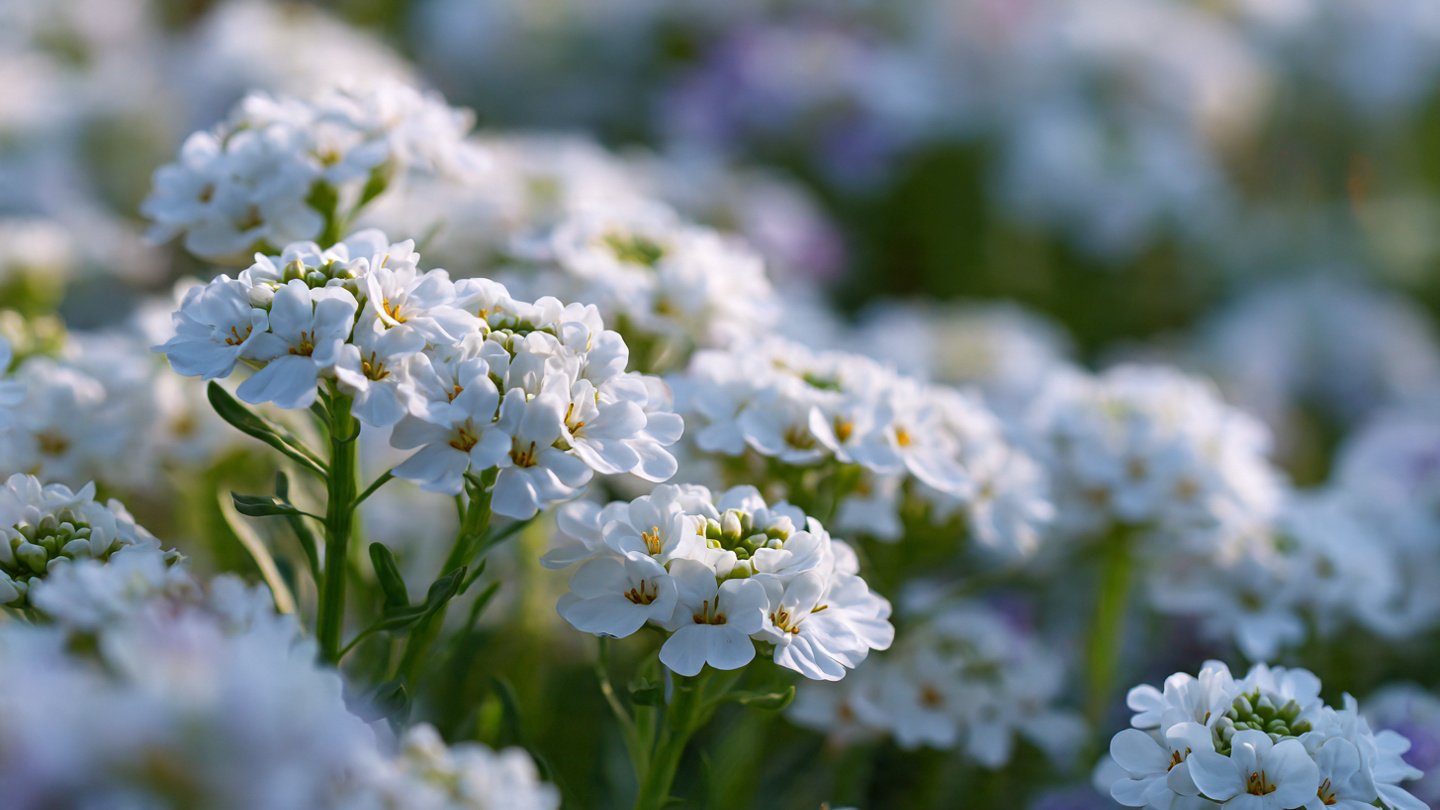
Candytuft (Iberis umbellata) is a charming perennial flower known for its eye-catching blooms and ease of cultivation. With its vibrant clusters of white, pink, or purple flowers, it is a fantastic addition to any garden. This guide provides detailed steps on how to grow candytuft successfully, ensuring a stunning display of color every spring.
1. Understanding Candytuft
Candytuft is native to Europe and parts of Asia, thriving in various conditions. It typically reaches a height of 6 to 12 inches, making it a perfect choice for borders, rock gardens, and hanging baskets. The plant boasts evergreen foliage and produces blossoms from early spring to early summer, depending on the variety.
Latest Posts
- A Comprehensive Guide to Successfully Growing Grape Vines in Your Backyard for Beginners and Experts Alike
- Best Tips for Successful Mango Growth in Containers
- Discover the Simple Steps for Successfully Growing Coriander in a Pot
- Discovering the Ultimate Guide to Growing African Violets from Leaf Cuttings
- Simple Techniques for Successfully Growing Seedless Grapes in Home Gardens
- Ultimate Guide to Growing Balsam Plants Naturally for Vibrant Blooms
- Discover the Secrets to Growing Lush Leek Leaves with Simple Hacks for Beginners
- How to Successfully Cultivate Sweet Cherries in the Unique Climate of Canada
- The Ultimate Guide to Successfully Growing Beautiful Succulent Garden Plants at Home
- A Comprehensive Guide to Growing Dhania from Seeds for Beginners
2. Choosing the Right Variety
Before you start planting, it’s important to choose the right variety of candytuft for your garden. Some popular varieties include:
- Iberis umbellata: This is the most common type, featuring clusters of flowers in various colors.
- Iberis sempervirens (evergreen candytuft): Known for its aromatic, dark green leaves and white flowers.
- Iberis saxatilis: A low-growing variety that is excellent for rock gardens.
Choose a variety that fits your garden’s climate and aesthetic preferences.

3. Ideal Growing Conditions
a. Sunlight
Candytuft thrives in full sun conditions, requiring at least 6 hours of direct sunlight each day. This ensures robust growth and abundant blooming.
b. Soil Requirements
The ideal soil for candytuft is well-drained and moderately fertile. Heavy clay soils may lead to root rot, so it’s crucial to amend your garden soil. Here’s how:
- Amend with Organic Matter: Mix in compost or well-rotted manure to enhance soil drainage and fertility.
- Check pH Levels: Candytuft prefers slightly acidic to neutral soil, with a pH range of 6.0 to 7.0.
c. Watering
While candytuft is drought-tolerant once established, consistent moisture is essential during the initial growth period. Water the plants deeply and less frequently to encourage deep root growth. Once established, allow the soil to dry out between waterings.
4. Planting Candytuft
a. When to Plant

For the best results, plant candytuft in the early spring or fall. Starting seeds indoors can give you a head start, but ensure you harden them off before transplanting outdoors.
b. Seed Sowing
-
Indoor Sowing: Start seeds indoors 6-8 weeks before the last frost date. Use seed trays filled with a seed-starting mix and keep them in a bright, warm spot. Keep the soil moist but not soggy.
-
Direct Sowing: Once the danger of frost has passed, sow seeds directly in the garden. Space the seeds approximately 12 inches apart, as candytuft can spread.
c. Transplanting Seedlings
When seedlings have developed two to three true leaves, they can be transplanted outdoors. Prepare the garden bed by loosening the soil and working in some compost. Dig holes for the seedlings, ensuring the top of the root ball is level with the soil surface.
5. Caring for Candytuft
a. Fertilization
Candytuft generally doesn’t require heavy fertilization. However, applying a balanced, slow-release fertilizer in early spring can enhance blooming. Avoid excessive nitrogen as it can promote leafy growth at the expense of flowers.

b. Pruning
After the flowering season, deadhead spent flowers to encourage further blooms and maintain the plant’s appearance. In late fall, prune back dead foliage to keep the plant tidy.
c. Pest and Disease Management
Candytuft is relatively pest-resistant but watch for pests such as aphids and spider mites. If infestations occur, remove them by hand or treat with insecticidal soap.
Common diseases include powdery mildew, which can be mitigated by ensuring adequate air circulation around the plants. Water the base of the plant rather than the foliage to prevent fungal issues.
6. Winter Care
In regions with harsh winters, place a layer of mulch around the base of the plants to protect their roots from freezing temperatures. In milder climates, candytuft is evergreen and will remain lush throughout the winter.
7. Propagation
Candytuft can be easily propagated through division or cuttings:
-
Division: In early spring or fall, carefully divide the root ball of established plants into smaller sections, each with roots and foliage. Replant immediately.
-
Cuttings: Take softwood cuttings in late spring. Dip the cut ends in rooting hormone and plant in a well-draining mix. Keep the soil moist until new roots develop.

8. Landscaping Ideas
Candytuft works beautifully in various landscaping designs. Here are some suggestions:
- Rock Gardens: Utilize different colors of candytuft to create a stunning, low-maintenance rock garden.
- Mixed Borders: Pair candytuft with taller perennials and annuals for a colorful border that blooms in the spring.
- Container Gardens: Candytuft can also be grown in containers, making it ideal for patios and balconies.
- Ground Cover: Use candytuft to fill in spaces in your garden or as a ground cover, thanks to its spreading habit.
9. Common Issues and Solutions
-
Poor Blooming: If your candytuft isn’t blooming well, it might be receiving too much shade or excessive nitrogen. Ensure it’s in a sunny spot and review your fertilization regimen.

-
Wilting Leaves: This can be a sign of both overwatering and underwatering. Assess the soil moisture level and adjust your watering routine accordingly.
-
Spreading Too Much: Candytuft can spread aggressively under optimal conditions. If you notice it overtaking other plants, consider creating barriers to limit its growth.
10. Enjoying Your Blooms
Once you’ve successfully grown candytuft in your garden, take time to enjoy its vibrant spring blooms. Consider cutting some flowers for indoor arrangements; their beauty can brighten up any space. With proper care and attention, candytuft will reward you with a profusion of color for many seasons to come.
Conclusion
Growing candytuft is an enjoyable and rewarding gardening experience. With its hardy nature, minimal maintenance, and stunning floral display, it’s a must-have for spring gardens. By understanding its needs and providing the right care, you can create a thriving landscape feature that will bring beauty and joy to your outdoor spaces. Whether you’re a seasoned gardener or a novice, candytuft is an excellent choice for a splash of color every spring. Happy gardening!