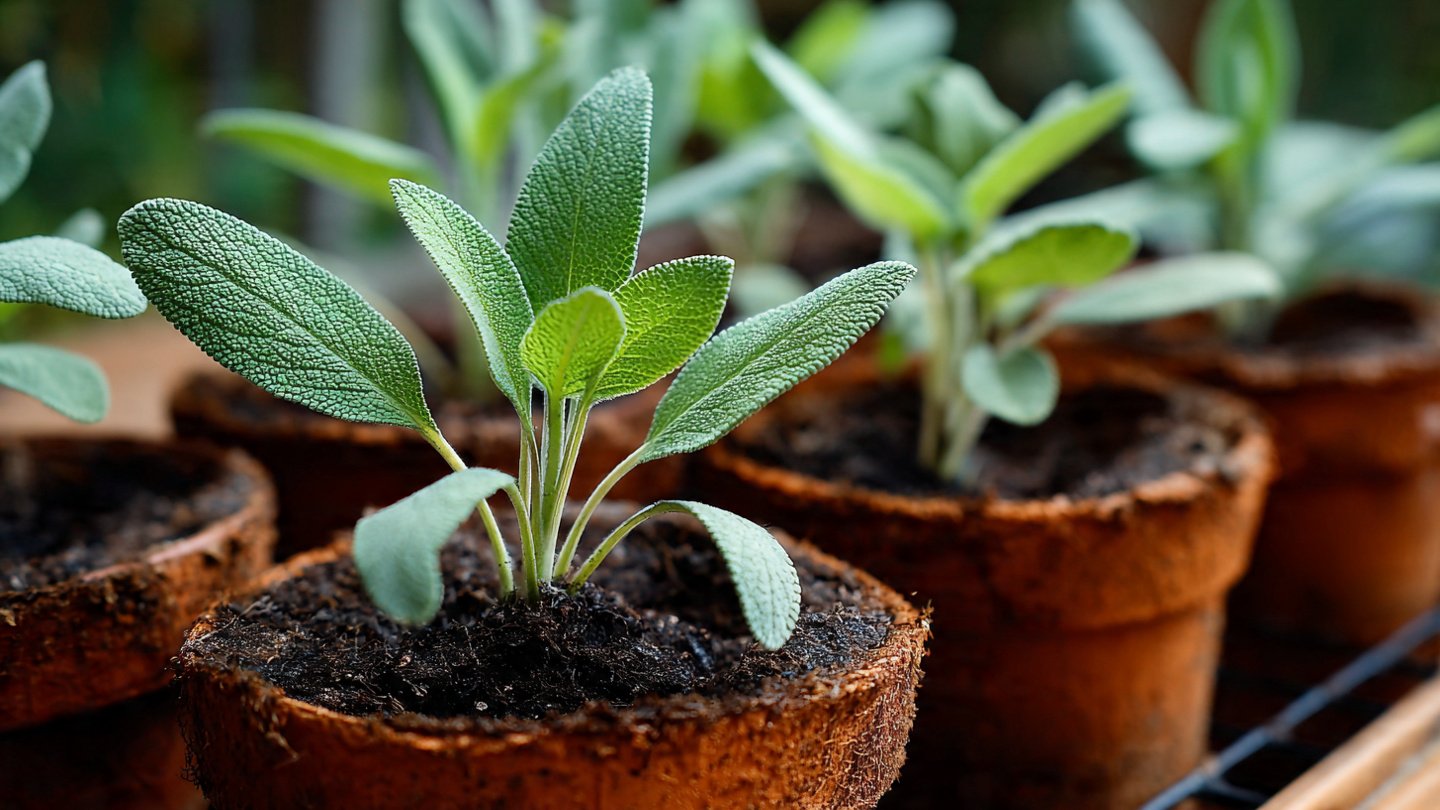
Growing herbs at home can be a delightful and rewarding venture, and sage is no exception. This aromatic herb, with its distinctive flavor and fragrant leaves, is a staple not just in the kitchen but also in traditional herbal medicine. For those looking to enjoy the perks of gardening without a large outdoor space, container gardening offers an accessible solution. This article will explore how to grow sage effortlessly in containers, allowing both seasoned and novice gardeners to embrace this beautiful herb.
Understanding Sage
Sage (Salvia officinalis) is a perennial herb belonging to the mint family. It is versatile, thriving in various culinary dishes, particularly in Mediterranean cuisine. Not only does sage add flavor, but it also boasts numerous health benefits, including anti-inflammatory properties and antioxidants.
Latest Posts
- A Comprehensive Guide to Successfully Growing Grape Vines in Your Backyard for Beginners and Experts Alike
- Best Tips for Successful Mango Growth in Containers
- Discover the Simple Steps for Successfully Growing Coriander in a Pot
- Discovering the Ultimate Guide to Growing African Violets from Leaf Cuttings
- Simple Techniques for Successfully Growing Seedless Grapes in Home Gardens
- Ultimate Guide to Growing Balsam Plants Naturally for Vibrant Blooms
- Discover the Secrets to Growing Lush Leek Leaves with Simple Hacks for Beginners
- How to Successfully Cultivate Sweet Cherries in the Unique Climate of Canada
- The Ultimate Guide to Successfully Growing Beautiful Succulent Garden Plants at Home
- A Comprehensive Guide to Growing Dhania from Seeds for Beginners
With its lovely silvery-green leaves and blue or purple flowers, sage can also serve as an attractive addition to your patio or balcony garden. Given its hardiness and drought resistance, growing sage in containers is not just realistic; it’s also straightforward.
Benefits of Growing Sage in Containers
-
Space Efficiency: Container gardening is ideal for those with limited space, such as apartments or small homes. You can create a herb garden on a balcony, windowsill, or patio.
-
Mobility: Containers allow you to move your plants around to optimize sunlight exposure or protect them from harsh weather.
-
Soil Control: Growing sage in pots means you can control the soil quality and drainage, which is essential for its growth.
-
Pest Management: Keeping sage in containers can help isolate it from pest infestations, making it easier to manage any unwanted insects.
-
Aesthetic Appeal: A container herb garden can be a beautiful feature, adding greenery and vitality to your living space.

Choosing the Right Container
The first step to growing sage in containers is selecting an appropriate pot. Here are some considerations:
Size
Sage plants require sufficient space for roots to grow. A pot with at least a 12-inch diameter and 10-inch depth is ideal. This size provides ample room for growth while preventing overcrowding.
Drainage
Good drainage is critical for the health of sage. Ensure the container has drainage holes at the bottom. If you have a pot without drainage holes, consider using it as a decorative outer pot and placing a plastic pot inside.
Material
Containers can be made of various materials, including ceramic, plastic, or terracotta. Terracotta pots are popular for their breathability and natural aesthetics, but they may dry out faster than plastic. Choose a material that suits your style and practicality.
Choosing the Right Soil
The next essential aspect of successfully growing sage in containers is the soil. Sage prefers well-draining soil that mimics its native Mediterranean habitat. Consider the following:
- Potting Mix: A high-quality potting mix that includes perlite or vermiculite for aeration is ideal.
- pH Level: Sage thrives in slightly alkaline to neutral soil (pH 6.0 to 7.0). You can check the soil pH with a testing kit.
- Amendments: Consider adding sand or gravel to improve drainage further. A mixture of 1 part potting soil, 1 part sand, and 1 part perlite works wonderfully.
Planting Sage
Once you have selected your container and soil, it’s time to plant your sage. Here’s a simple guide to get started:
From Seeds
-
Timing: Start seeds indoors about 6-8 weeks before the last frost date in spring, or directly sow them outdoors after frost danger has passed.
-
Sowing: Fill the container with the potting mix and moisten it slightly. Scatter the seeds on the surface and cover lightly with soil.
-
Light: Place the container in a warm location with plenty of sunlight, ideally receiving 6-8 hours of light daily.
-
Watering: Keep the soil lightly moist but not soggy. Once seeds germinate (usually within 2-3 weeks), thin them out to one plant per container if necessary.
From Cuttings or Transplants
-
Purchasing: You can buy sage plants from garden centers or nurseries.
-
Transplanting: Gently remove the plant from its nursery pot and loosen the roots if they appear bound. Place it in the new container with fresh potting mix and water thoroughly.
-
Acclimatization: If your plant was indoors, consider gradually acclimating it to outdoor conditions (a process called hardening off) over a week.
Watering Sage
Proper watering is crucial for sage. This herb prefers slightly dry conditions; overwatering can lead to root rot. Here are some tips on watering:
-
Frequency: Water the plant when the top inch of soil feels dry. Generally, this could be every 1-2 weeks, depending on climate and container size.
-
Method: Water deeply to ensure moisture reaches the roots, but allow the water to drain out of the bottom.
-
Signs of Need: Yellowing leaves can indicate overwatering, while wilting leaves may hint at underwatering.
Light Requirements
Sage thrives in full sunlight. Ideally, it should receive at least 6-8 hours of direct sunlight each day. Here are some tips for maximizing sunlight exposure:
-
Location: Place your containers where they will receive ample sunlight throughout the day, such as south-facing patios.
-
Rotating: Rotate your pots occasionally to ensure even growth and prevent leaning toward the light.
Fertilization
Sage does not need significant fertilization, as overly nutrient-rich soil can inhibit its flavor. However, light feeding can promote growth:
-
Type: Use a balanced, water-soluble fertilizer diluted to half strength.
-
Frequency: Fertilize every 4-6 weeks during the growing season (spring to early fall), but stop during the winter months.
Pruning and Harvesting
To encourage bushy growth and maintain health, regular pruning is essential:
-
Pruning: Trim back the plant regularly, especially before blooms appear. Remove about one-third of the stems, cutting just above leaf nodes to encourage new growth.
-
Harvesting: Sage leaves can be harvested once the plant is well-established. Use scissors or pruners to cut leaves as needed. It’s best to harvest in the morning after the dew has dried, using fresh leaves in recipes for maximum flavor.
-
Drying: If you have an abundance of sage leaves, consider drying them for later use. Hang sprigs upside down in a dark, dry, and well-ventilated area.
Common Pests and Problems
Even the hardiest plants can face challenges, and sage is no exception. Here are some common pests and issues to watch for:
Pests
-
Aphids: These tiny insects can affect growth. Spray with insecticidal soap or neem oil to control them.
-
Spider Mites: Indicators include webbing on the plants. Increase humidity and wash leaves with water.
Diseases
-
Root Rot: Caused by overwatering or poorly draining soil. Ensure proper watering techniques and soil amendements.
-
Powdery Mildew: Occurs in humid conditions. Improve air circulation and avoid wetting leaves when watering.
Conclusion
Growing sage in containers is a simple and rewarding way to enjoy this versatile herb while maximizing your available space. With the right container, quality soil, and minimal care—coupled with adequate light and water—your sage can thrive on a balcony, patio, or windowsill. Whether you use it in cooking, tea, or medicinal applications, having fresh sage at your fingertips not only enhances your culinary adventures but also adds a touch of beauty and aroma to your living space.
So gather your supplies, plant your sage, and enjoy the many benefits of this incredible herb! With these simple guidelines, you’ll be on your way to successfully growing your very own container garden of sage that will flourish for years to come. Happy gardening!