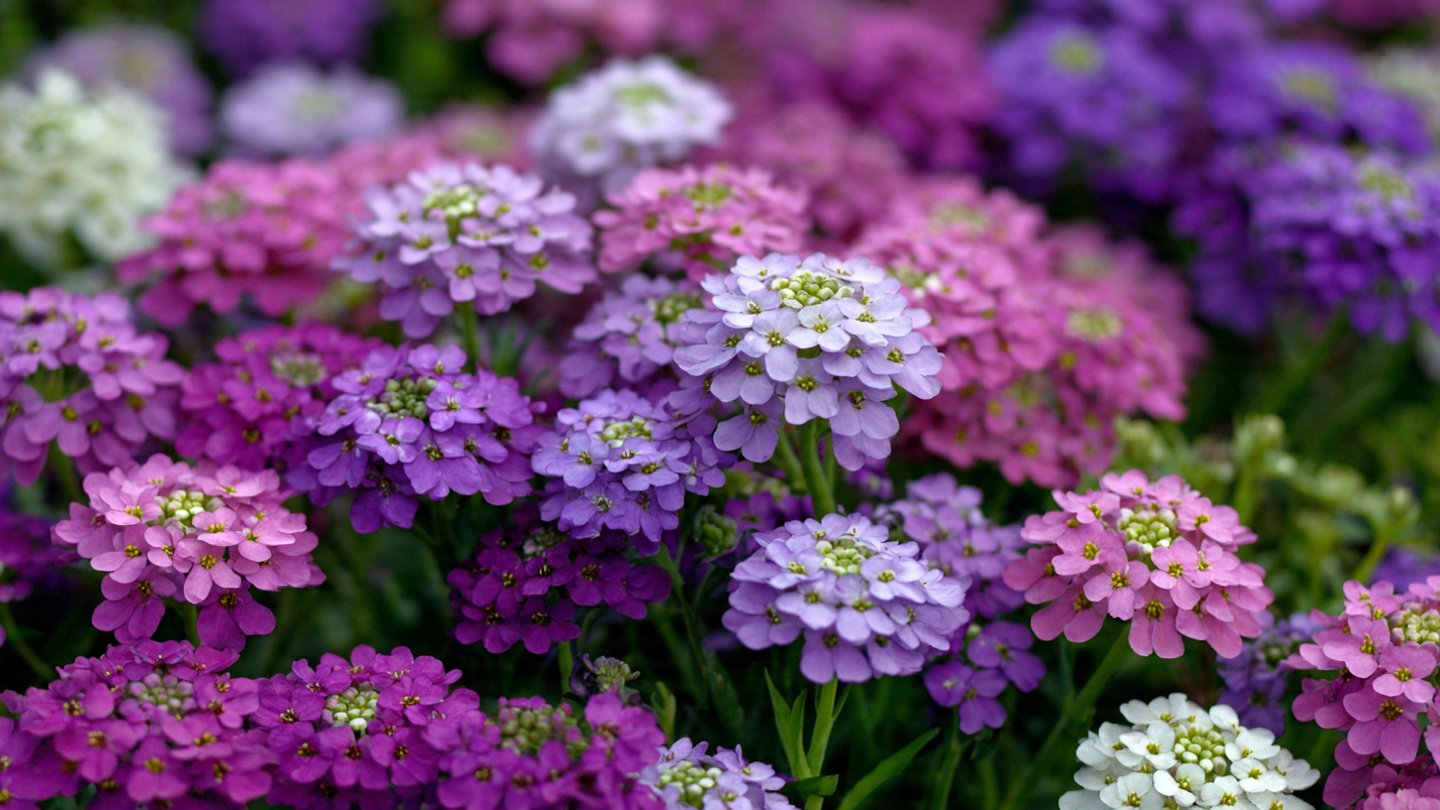
Candytuft (Iberis sempervirens) is the enchanting perennial plant that can transform any garden landscape into a vibrant spectacle of colors. Known for its lush green foliage and brilliant white or purple flowers, candytuft has become a favorite among garden enthusiasts. If you are looking to add a stunning border of candytuft to your garden, you are in the right place! This article is your ultimate guide to growing and caring for candytuft, complete with tips, tricks, and hacks to ensure your plants not only survive but thrive.
1. Introduction to Candytuft
Candytuft is a perennial flowering plant native to Europe and parts of Asia. It’s part of the mustard family (Brassicaceae) and is loved for its low-growing, compact form, which makes it ideal for borders, rock gardens, and even containers. The flowers bloom in early spring to early summer, creating a lush carpet of blooms that attracts pollinators like bees and butterflies.
Latest Posts
- A Comprehensive Guide to Successfully Growing Grape Vines in Your Backyard for Beginners and Experts Alike
- Best Tips for Successful Mango Growth in Containers
- Discover the Simple Steps for Successfully Growing Coriander in a Pot
- Discovering the Ultimate Guide to Growing African Violets from Leaf Cuttings
- Simple Techniques for Successfully Growing Seedless Grapes in Home Gardens
- Ultimate Guide to Growing Balsam Plants Naturally for Vibrant Blooms
- Discover the Secrets to Growing Lush Leek Leaves with Simple Hacks for Beginners
- How to Successfully Cultivate Sweet Cherries in the Unique Climate of Canada
- The Ultimate Guide to Successfully Growing Beautiful Succulent Garden Plants at Home
- A Comprehensive Guide to Growing Dhania from Seeds for Beginners
2. Choosing the Right Variety
While the most common candytuft variety is the white ‘Snow Drop,’ several others offer stunning colors and forms:
- Iberis sempervirens (Common Candytuft): A classic white bloomer.
- Iberis umbellata (Annual Candytuft): A shorter plant that blooms in vibrant pinks and purples.
- Iberis gibraltarica: Known for its lovely pink flowers.
Take time to select a type that suits your garden aesthetics and growing conditions.
3. Ideal Growing Conditions
A. Soil Requirements
Candytuft thrives in well-drained, sandy or loamy soils. Here’s what to consider:
- pH Level: Aim for slightly alkaline to neutral soil (pH 6.0 to 7.0).
- Organic Matter: Incorporating compost can enhance soil fertility and drainage.

B. Sunlight
These beauties require full sun to produce abundant flowers. Aim for at least six hours of direct sunlight.
C. Climate
Candytuft grows well in USDA hardiness zones 3 to 9. If you live in a particularly hot climate, consider providing partial shade during the harshest afternoon sun.
4. Planting Candytuft: Step-by-Step Guide
Planting candytuft may seem daunting, but with the right preparation, you’ll have a beautiful border in no time.
A. Timing
The best time to plant candytuft is in the spring or fall when the soil is moist and temperatures are moderate.
B. Preparing the Soil
- Test Your Soil: Use a soil test kit to determine pH and nutrient levels.
- Amend as Needed: Add lime if the soil is too acidic, or organic compost to improve nutrient content.
- Till the Soil: Loosen the top 12 inches of soil to promote root growth.
C. Planting

- Spacing: Space plants about 12 inches apart to encourage airflow and prevent fungal diseases.
- Depth: Dig a hole that is twice as wide as the root ball but no deeper than the ball’s height.
- Watering: Water thoroughly after planting to help the roots settle.
5. Caring for Your Candytuft
Caring for candytuft is relatively straightforward. With minimal maintenance, you can enjoy a stunning display year after year.
A. Watering
- After planting, water the plants regularly until they are established.
- Once established, candytuft is drought-tolerant but benefits from occasional watering during prolonged dry spells.
B. Fertilizing
- Use a balanced, slow-release fertilizer in early spring to promote vigorous growth.
- Avoid over-fertilizing, as this can produce more foliage at the expense of flowers.
C. Pruning
- Deadhead spent flowers to encourage more blooms and prevent the plant from going to seed.
- In late fall, trim back the foliage to prevent disease and promote vigorous growth in spring.
6. Common Pests and Diseases

Candytuft is generally resistant to many garden pests, but here are a few to keep an eye on:
A. Aphids
These tiny pests can suck the sap from your plants. Use insecticidal soap or neem oil to control infestations.
B. Powdery Mildew
This fungal disease can affect candytuft, especially if they are planted in overly humid conditions. Ensure good airflow and avoid overhead watering.
C. Rust
Rust can cause orange and yellow spots on leaves. Reduce humidity around your plants and remove infected leaves to prevent spreading.
7. Propagating Candytuft
Candytuft can be easily propagated through seeds or cuttings. Here’s how:
A. From Seeds
- Timing: Start seeds indoors 6-8 weeks before the last expected frost or sow directly in the garden after the danger of frost has passed.
- Light: Seeds need light to germinate, so bury them only lightly in the soil.
- Water: Keep the soil consistently moist until germination.
B. From Cuttings

- In spring or early summer, cut 4-6 inch sections from healthy stems.
- Plant them in a pot with a good potting mix, keeping them moist until new roots form.
8. The Ultimate Hack: Companion Planting
One of the best hacks for maintaining a healthy candytuft border is companion planting. Here’s how to take advantage of it:
A. Suitable Companions
- Hostas: Their broad leaves can provide shade and contrast beautifully with the delicate flowers of candytuft.
- Sedums: Their drought tolerance and ground-covering nature complement candytuft well, preventing weeds.
- Geraniums: These perennials can create a lovely color contrast with their varied foliage and blooms.
B. Benefits of Companion Planting
- Pest Control: Certain plants can repel pests that might harm your candytuft.
- Soil Improvement: Deep-rooted plants can help aerate the soil, allowing better water absorption for candytuft.
- Visual Appeal: Mixing different plants can create an eye-catching visual display, elevating the overall aesthetics of your garden.
9. Seasonal Care
Taking seasonal steps can significantly affect the growth and blooming of candytuft.
A. Spring

- Fertilize in early spring and monitor for pests.
- Deadhead old blooms to promote new growth.
B. Summer
- Water during dry spells and continue deadheading for a prolonged blooming period.
C. Fall
- Prepare for winter by reducing watering and applying a layer of mulch to protect roots from freezing temperatures.
D. Winter
- If you live in colder climates, protect plants with a deeper layer of mulch as insulation.
10. Conclusion
Growing stunning candytuft border plants is not only achievable but can also be a rewarding experience. With their beautiful blooms and low-maintenance nature, candytufts can elevate any garden landscape. By following the tips and hacks shared in this guide, from selecting the right variety to mastering care techniques, you’ll be well on your way to enjoying a vibrant border filled with these delightful flowers.
Give your garden the enhancement it deserves, and enjoy the beauty and charm candytuft brings to your outdoor space!