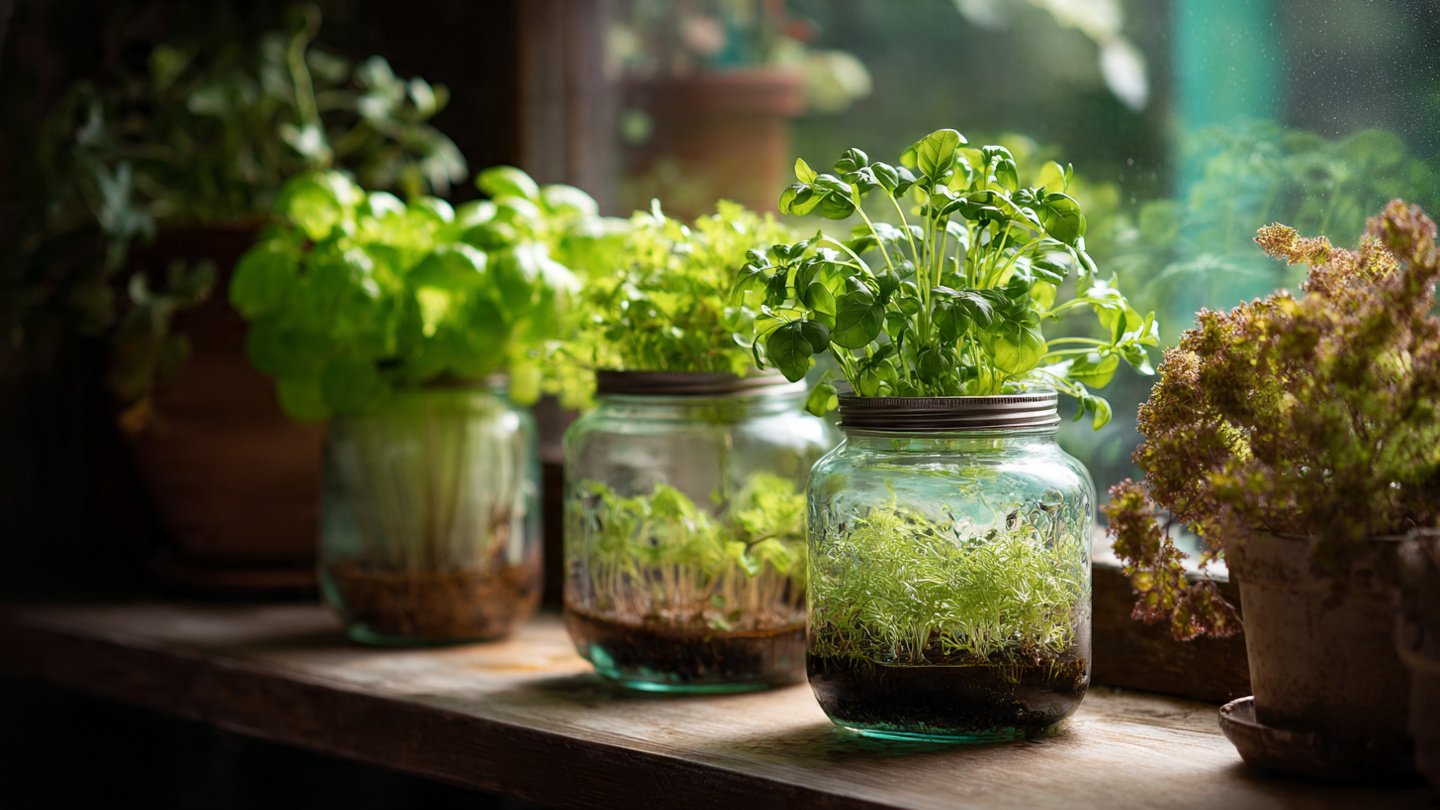
Growing greens indoors can be a rewarding and enjoyable endeavor, allowing you to cultivate fresh produce regardless of the season. Whether you live in a small apartment or simply want to have easy access to nutritious greens, indoor gardening can meet your needs. This complete guide will walk you through everything you need to know to successfully grow greens indoors.
Why Grow Greens Indoors?
1. Freshness and Flavor
Latest Posts
- A Comprehensive Guide to Successfully Growing Grape Vines in Your Backyard for Beginners and Experts Alike
- Best Tips for Successful Mango Growth in Containers
- Discover the Simple Steps for Successfully Growing Coriander in a Pot
- Discovering the Ultimate Guide to Growing African Violets from Leaf Cuttings
- Simple Techniques for Successfully Growing Seedless Grapes in Home Gardens
- Ultimate Guide to Growing Balsam Plants Naturally for Vibrant Blooms
- Discover the Secrets to Growing Lush Leek Leaves with Simple Hacks for Beginners
- How to Successfully Cultivate Sweet Cherries in the Unique Climate of Canada
- The Ultimate Guide to Successfully Growing Beautiful Succulent Garden Plants at Home
- A Comprehensive Guide to Growing Dhania from Seeds for Beginners
Homegrown greens are fresher and more flavorful than store-bought. You can pick and eat them right when they’re at their peak, enhancing your culinary experiences.
2. Convenience
Having greens readily available at home means you can easily incorporate them into meals. No more last-minute grocery store trips!
3. Health Benefits
Growing your own food ensures you know what you’re eating. You can avoid pesticides and choose organic growing methods.
4. Year-Round Gardening
By growing indoors, you can cultivate greens regardless of the outdoor climate. This provides access to fresh produce all year.
Selecting Greens for Indoor Gardening
When choosing which greens to grow, consider factors such as growth rate, flavor, and space requirements. Some excellent options include:

1. Lettuce Varieties
- Butterhead, romaine, and leaf lettuce are popular choices for indoor growth. They are fast-growing and can be harvested multiple times.
2. Spinach
- Spinach is a nutritious green that grows well indoors. It prefers cooler temperatures and can be harvested in about 30-45 days.
3. Kale
- Kale is hardy and can tolerate lower light conditions, making it ideal for indoor gardening. It has a longer growth cycle but offers abundant yields.
4. Arugula
- This peppery green germinates quickly and can be harvested in as little as three weeks, making it perfect for indoor growth.
5. Microgreens
- Microgreens are young plants that pack a nutritional punch. They thrive in small spaces and can be grown in a variety of trays.
Setting Up Your Indoor Garden
1. Location
- Find a suitable space in your home with access to natural light. South-facing windows are ideal, but you can also use grow lights if necessary.

2. Containers
- Choose containers that provide good drainage. Plastic, terracotta, or ceramic pots are excellent options. Ensure they are at least 6-12 inches deep for greens.
3. Soil
- Opt for a high-quality potting mix that retains moisture while providing good drainage. You can make your own mix by combining equal parts peat moss, vermiculite, and compost.
4. Grow Lights
- If natural light is insufficient, invest in LED or fluorescent grow lights. Aim for 12-16 hours of light per day, adjusting distance based on the light type.
5. Humidity and Temperature
- Most greens thrive in a temperature range of 60-75°F. Maintain humidity levels between 40-60% to promote healthy growth. A humidity tray can help if your indoor environment is dry.
Planting Your Greens
1. Seeds and Spacing
- Follow the seed packet recommendations for planting depth and spacing. For most greens, sprinkle seeds on the soil surface and lightly press them in.
2. Watering
- Water your seeds gently after planting, ensuring the soil is moist but not waterlogged. Use a spray bottle to avoid displacing seeds.
3. Germination
- Cover your containers with plastic wraps to create a greenhouse effect until seeds germinate (usually 5-14 days). Remove plastic once seedlings emerge.
Caring for Your Indoor Greens
1. Watering Practices
- Water your plants regularly. Monitor the top inch of soil; if it’s dry, it’s time to water. Avoid overwatering, which can lead to root rot.
2. Fertilization
- Feed your greens with a diluted, balanced liquid fertilizer every 2-4 weeks, depending on growth rates. Look for organic options to maintain your garden’s health.
3. Pest Control
- Keep an eye out for pests such as aphids, spider mites, and fungus gnats. Use insecticidal soap or neem oil for treatment, and maintain proper air circulation to avoid infestations.
4. Pruning and Harvesting
- To encourage bushier growth, pinch off the tips of seedlings. When harvesting, pick outer leaves first, allowing the center to keep growing.
Common Challenges in Indoor Gardening
1. Insufficient Light
- If your greens are stretching or turning yellow, they may not be getting enough light. Consider moving them closer to a window or supplementing with grow lights.
2. Overwatering
- Signs include yellowing leaves and mold growth. Adjust your watering schedule and ensure adequate drainage.
3. Temperature Extremes
- Keep greens away from drafts, heaters, or air conditioning vents. Sudden temperature shifts can stress plants.
Harvesting Your Greens
Knowing the right time to harvest your greens is crucial for optimal flavor and texture. For most leafy greens, you can begin harvesting:
- Baby Greens: When they reach about 3-4 inches tall.
- Mature Greens: Once they are fully developed but before they start to bolt (flower).
- Cut-and-Come-Again Method: For continual yields, cut only the outer leaves and allow the inner leaves to keep growing.
Storing Your Harvested Greens
To keep your freshly harvested greens crisp, store them properly:
- Keep Them Cool: Store greens in the refrigerator immediately after harvesting, ideally in perforated plastic bags or containers.
- Avoid Washing Before Storage: Wash greens just before use to prevent wilting.
- Hydrate Dried Greens: If leaves become limp, soak them in water for a few minutes to revive them.

Seasonal Considerations
Winter
In colder months, utilize grow lights to supplement sunlight. Ensure your space is insulated to maintain adequate temperatures.
Spring and Summer
As days get longer, plants may grow faster. Monitor moisture levels and adjust watering schedules accordingly.
Fall
Consider transitioning to hardier crops or varieties that thrive in cooler temperatures, such as kale and arugula.
Conclusion
Growing greens indoors is a fulfilling way to enhance your culinary experiences, improve your diet, and even cultivate a sense of accomplishment. By following this complete guide, you can successfully nurture your indoor garden year-round. With the right conditions, care, and attention, you’ll enjoy fresh, delicious greens that elevate any meal. Embrace the art of indoor gardening, and reap the rewards of your labor! Happy gardening!