Can You Successfully Grow Rosemary Compact Bush in Your Garden?
Introduction
Rosemary (Rosmarinus officinalis) is a versatile herb, renowned not only for its culinary uses but also for its aromatic and medicinal properties. Among its various forms, the compact bush variety of rosemary has gained popularity among gardeners for its aesthetic appeal and ease of care. In this article, we delve into the specifics of cultivating a compact rosemary bush successfully in your garden, exploring its ideal growing conditions, care requirements, and common challenges.
Understanding the Compact Rosemary Bush
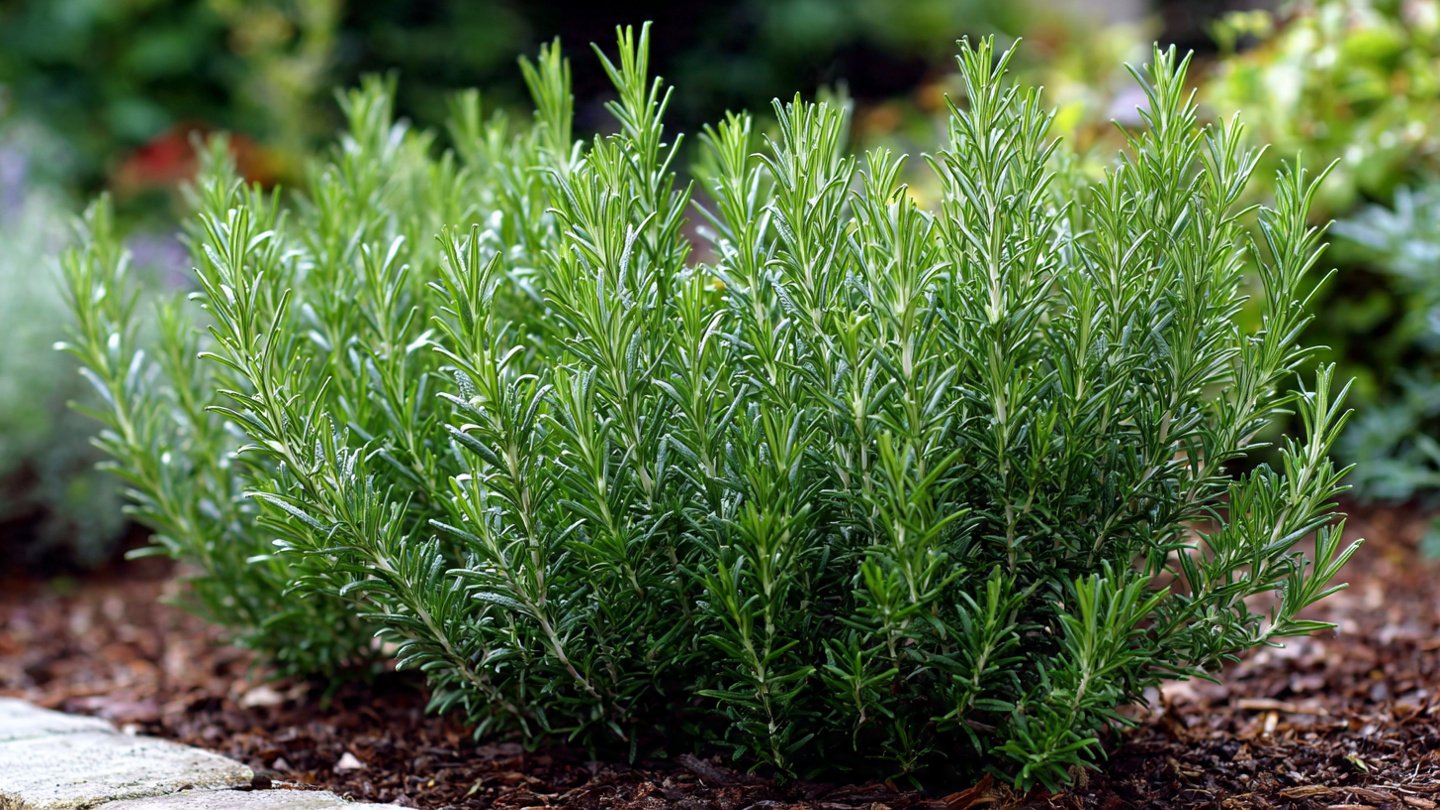
Before diving into the cultivation process, it’s essential to understand what a compact rosemary bush is. This variety of rosemary tends to be more compact than its taller counterparts, making it suitable for smaller gardens, patios, and even indoor environments. Typically reaching heights of 1-3 feet, compact rosemary features dense, aromatic leaves that can be used in various culinary dishes or as a fragrant addition to your garden.
Ideal Growing Conditions
1. Soil Requirements
Rosemary thrives in well-drained, sandy or loamy soil with a pH level between 6.0 and 7.0. Heavy, clay-like soils retain too much moisture, which can lead to root rot. To improve drainage in heavier soils, consider adding sand or perlite. A potting mix designed for cacti and succulents can also work well if you’re growing rosemary in containers.

2. Sunlight
This aromatic herb loves sunlight. Ideally, rosemary requires a minimum of 6-8 hours of direct sunlight daily. If you’re planting in a garden, choose a location that receives full sun. For indoor growth, place the pot in a south-facing window where it can soak up ample light.
3. Watering Needs
One of the most critical aspects of growing rosemary is understanding its water needs. While drought-tolerant once established, young rosemary plants require regular watering to develop a strong root system. Water when the top inch of soil feels dry, ensuring that you do not overwater, as rosemary prefers dry conditions. Always ensure that containers have adequate drainage.
Latest Posts
- A Comprehensive Guide to Successfully Growing Grape Vines in Your Backyard for Beginners and Experts Alike
- Best Tips for Successful Mango Growth in Containers
- Discover the Simple Steps for Successfully Growing Coriander in a Pot
- Discovering the Ultimate Guide to Growing African Violets from Leaf Cuttings
- Simple Techniques for Successfully Growing Seedless Grapes in Home Gardens
- Ultimate Guide to Growing Balsam Plants Naturally for Vibrant Blooms
- Discover the Secrets to Growing Lush Leek Leaves with Simple Hacks for Beginners
- How to Successfully Cultivate Sweet Cherries in the Unique Climate of Canada
- The Ultimate Guide to Successfully Growing Beautiful Succulent Garden Plants at Home
- A Comprehensive Guide to Growing Dhania from Seeds for Beginners
4. Temperature and Climate
Rosemary is native to the Mediterranean region, thriving in warm climates. The ideal temperature range for rosemary is between 60°F to 75°F (15°C to 24°C). While it can withstand mild winters, trimmings and younger plants may need protection from frost. If you live in a colder region, growing rosemary in pots will allow you to bring it indoors during winter.

Planting Rosemary Compact Bush
1. Choosing the Right Time
The best time to plant rosemary is in the spring after the last frost. If you’re starting from seeds, sow them indoors 6-8 weeks before the last frost date. Transplant them outdoors once the soil has warmed and all danger of frost has passed.
2. Spacing and Planting Methods
When planting compact rosemary bushes, maintain a spacing of at least 12-24 inches between each bush to allow proper airflow and reduce humidity-related issues. If planting in containers, choose pots that are at least 12 inches deep to accommodate the root system.
3. Planting Techniques
- From Seeds: Plant seeds 1/4 inch deep in well-draining soil. Keep the soil consistently moist until germination, which can take anywhere from 2 to 3 weeks.
- From Cuttings: Take a 4-6 inch cutting from a healthy rosemary plant, remove the lower leaves, and plant it directly into moistened soil. Cover lightly with a plastic bag to retain humidity until roots develop.
Caring for Your Rosemary Compact Bush
1. Fertilization
Rosemary generally does not require heavy fertilization. An organic slow-release fertilizer applied in early spring is sufficient. Over-fertilizing can lead to excessive leaf growth at the expense of aroma and flavor.

2. Pruning
To maintain its shape and encourage bushy growth, regular pruning is essential. Trim the plant every few weeks during the growing season, removing any dead or leggy stems. This also helps to promote new growth and ensures plenty of fresh leaves for culinary use.
3. Pest and Disease Management
While rosemary plants are relatively robust, they can still face challenges:
- Pests: Look out for aphids, spider mites, and whiteflies. You can manage infestations with insecticidal soap or neem oil as a natural remedy.
- Diseases: Root rot is the most common disease, primarily stemming from overwatering. Ensure the soil is well-draining and avoid waterlogged conditions.
Common Challenges and Solutions
1. Overwatering
As mentioned, one of the most common challenges is overwatering. To prevent this, ensure good drainage, use pots with holes, and develop an intuitive watering schedule based on the moisture level of the soil.

2. Frost Damage
If you live in an area prone to cold weather, consider planting rosemary in pots so you can bring them indoors during freezing temperatures. If planted in the ground, covering the base with mulch can provide some protection from frost.
3. Limited Space
For those with limited gardening space, consider vertical gardening options or using window boxes or hanging baskets. Compact rosemary can be pruned and trained to grow in creative shapes, optimizing garden space.
Harvesting and Using Rosemary
Once your compact rosemary bush reaches a healthy size, you can begin to harvest leaves for culinary uses. The best time to harvest rosemary is in the morning when the essential oils are most concentrated.

Culinary Uses
Rosemary pairs beautifully with meats, particularly lamb, chicken, and fish. It can also enhance the flavors of roasted vegetables, breads, and even infused oils. For drying, gather sprigs and hang them upside down in a dark, dry place. Remove the leaves once dried and store them in an airtight container.
Conclusion
Growing a compact rosemary bush in your garden can be both rewarding and beneficial. As a perennial herb, once established, it will provide years of culinary delights and aesthetic beauty with minimal effort. Following the right guidelines for soil, sunlight, water, and care, you can cultivate a flourishing rosemary bush that enhances your culinary endeavors and enriches your gardening experience. Whether you’re an experienced gardener or just starting, compact rosemary is an excellent addition to any green space, bringing flavor and fragrance to your life. Happy gardening!