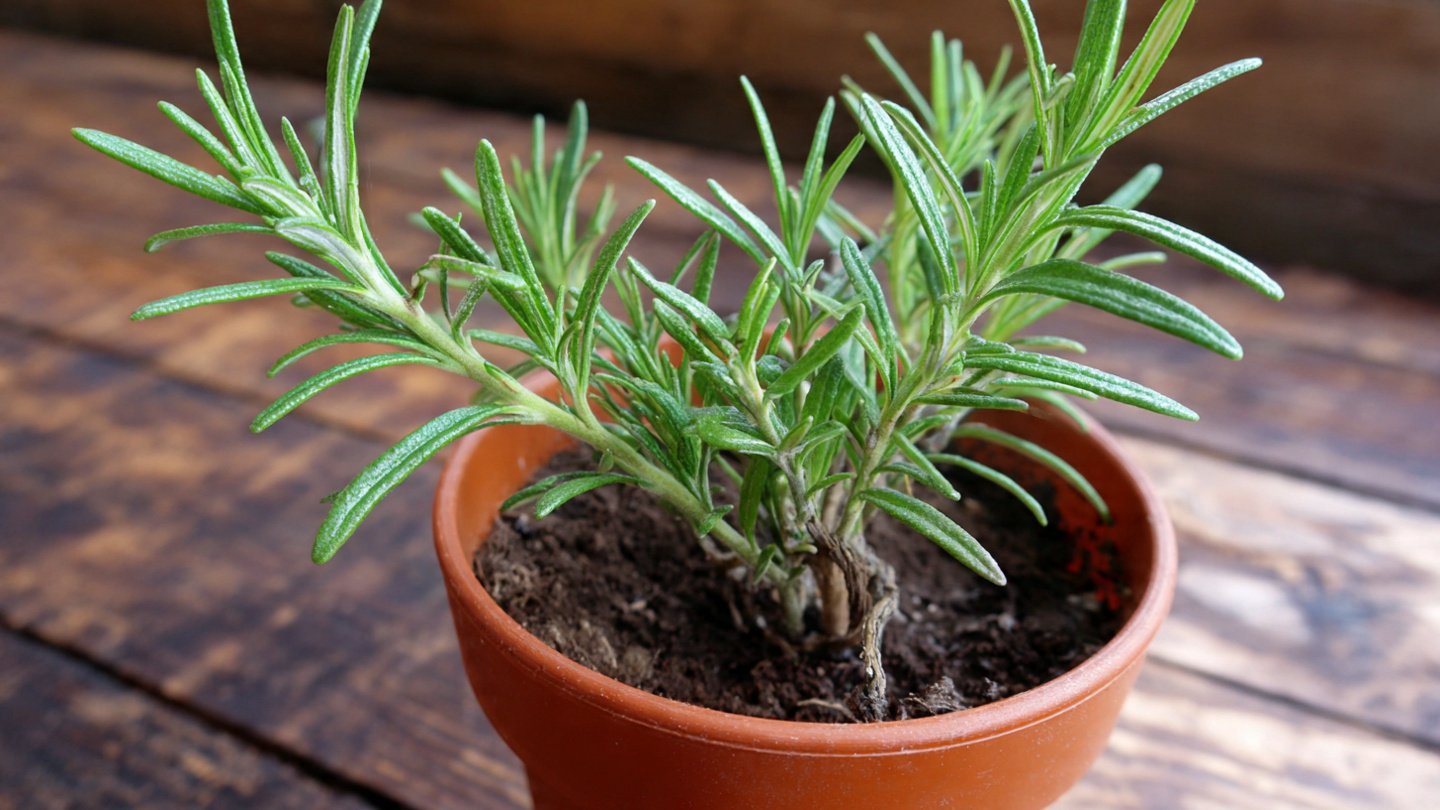
Rosemary (Salvia rosmarinus) is a beloved culinary herb known for its robust aroma and flavor, making it a staple in many kitchens. Beyond its culinary applications, rosemary is revered for its medicinal properties and ornamental beauty. One of the most appealing aspects of rosemary is its ability to be propagated easily from cuttings. This article will guide you through the process of growing rosemary from cuttings, explore the benefits of this method, and share a simple hack to ensure your success.
Understanding Rosemary
The Versatility of Rosemary
Latest Posts
- A Comprehensive Guide to Successfully Growing Grape Vines in Your Backyard for Beginners and Experts Alike
- Best Tips for Successful Mango Growth in Containers
- Discover the Simple Steps for Successfully Growing Coriander in a Pot
- Discovering the Ultimate Guide to Growing African Violets from Leaf Cuttings
- Simple Techniques for Successfully Growing Seedless Grapes in Home Gardens
- Ultimate Guide to Growing Balsam Plants Naturally for Vibrant Blooms
- Discover the Secrets to Growing Lush Leek Leaves with Simple Hacks for Beginners
- How to Successfully Cultivate Sweet Cherries in the Unique Climate of Canada
- The Ultimate Guide to Successfully Growing Beautiful Succulent Garden Plants at Home
- A Comprehensive Guide to Growing Dhania from Seeds for Beginners
Before diving into propagation, it’s essential to appreciate what makes rosemary such a cherished herb. Rosemary can thrive indoors or outdoors, and it’s versatile enough to grow in various climates. It can be used fresh, dried, or even infused into oils, making it a must-have for flavorful dishes. In addition to its epicurean uses, rosemary is also used for its potential cognitive-enhancing properties and its ability to improve digestion.
Why Grow Rosemary From Cuttings?
While it’s possible to grow rosemary from seeds, it can be a longer, more challenging process. Seeds require specific conditions for germination, often taking several weeks to sprout. In contrast, growing rosemary from cuttings is often quicker and yields stronger plants. Here are the primary benefits of using cuttings:
- Faster Growth: Cuttings can develop roots in just a few weeks, leading to mature plants sooner than starting from seeds.
- Genetic Uniformity: Cuttings ensure that the new plants maintain the same characteristics as the parent plant, ensuring consistent flavor and aroma.
- Easy to Manage: Taking cuttings is a straightforward process that does not require extensive gardening experience.
The Process of Growing Rosemary from Cuttings
Step 1: Selecting the Right Cutting

The first step is to choose a healthy, vigorous parent plant. Ideally, the cutting should come from a plant that is at least a year old and free from pests and diseases. Look for stems that are:
- Green and Healthy: Avoid any stems that appear woody or dry.
- Non-Flowering: While flowering stems can be used, they may not root as easily. Choose stems that are still in the vegetative stage for best results.
How Much Should You Cut?
Aim for cuttings that are around 4-6 inches long. Each cutting should contain a few sets of leaves. When taking the cutting, make a clean cut just below a node, which is where the leaves emerge from the stem.
Step 2: Preparing the Cuttings
Once you have your cuttings, the next step is to prepare them for rooting. Follow these guidelines:
-
Remove Lower Leaves: Strip off the leaves from the lower half of the cutting, making sure not to damage the stem. This helps prevent rot when the cutting is placed in water or soil.
-
Optional: Dip in Rooting Hormone: Although rosemary can root without it, dipping the cut end of the cutting in rooting hormone can increase the chances of success. Rooting hormones are available in powdered or gel form.

Step 3: Planting the Cuttings
Now that you have your cuttings prepared, it’s time to plant them. You have a couple of options for rooting:
-
Water Propagation:
- Place the cut end of the cutting in a glass of water, ensuring that only the lower part is submerged.
- Set the glass in a bright, indirect light area. Change the water every few days to keep it fresh.
- Roots should start to develop within 2-4 weeks.
-
Soil Propagation:
- Fill a small pot with a well-draining potting mix or a mix of peat and perlite (50/50 ratio).
- Make a small hole in the soil with a pencil or your finger, then insert the cutting, ensuring it stands upright.
- Water the soil lightly and cover the pot with a plastic bag or a plastic dome to create a humid environment, which will help the cutting root.

Step 4: Caring for the Cuttings
Regardless of your chosen method, care is crucial for successful rooting:
-
Light: Provide bright, indirect light for the cuttings. If you’re using water propagation, avoid direct sunlight to prevent overheating.
-
Humidity: If you’re propagating in soil, ensure a humid environment by misting the cuttings occasionally and keeping the cover on until roots develop.
-
Temperature: Rosemary prefers temperatures between 65°F and 75°F (18°C to 24°C).
Step 5: Transplanting the New Rosemary Plants
After a few weeks, you should see roots developing from the cuttings if all has gone well:
- If using water propagation, transplant the cutting into soil once roots are 2 inches long.
- For soil-propagated cuttings, check the root system by gently tugging the cutting. If you feel resistance, roots have developed.

Step 6: Hardening Off
Before introducing your new rosemary plants to outdoor conditions, they need to acclimatize. Gradually expose them to outdoor conditions for a week or two, increasing their time outside each day. This process, known as hardening off, helps ensure your plants adapt without shock.
Step 7: Caring for Your New Rosemary Plants
-
Watering: Water your rosemary when the top inch of soil feels dry. Overwatering can lead to root rot, so ensure the pot has good drainage.
-
Sunlight: Ideally, rosemary requires full sun, at least 6-8 hours a day if grown outdoors. If growing indoors, place it near a sunny window.
-
Fertilization: Rosemary doesn’t require much fertilizer, but you can feed it with a balanced fertilizer every 4-6 weeks during the growing season.
-
Pruning: Prune your plants regularly to encourage bushy growth and prevent them from becoming leggy.
The Simple Hack: Water or Soil Propagation?
While both water and soil propagation methods are effective, there’s a simple hack that can improve success rates:

Using a Plastic Bag for Soil Propagation
When propagating in soil, you can enhance humidity by creating a mini greenhouse effect:
- After planting your cuttings, cover the pot with a clear plastic bag or a plastic dome.
- This method keeps moisture in and significantly increases the humidity levels around the cuttings, promoting quicker and healthier root development.
Tips for Success
- Choose the Right Time: Late spring or early summer is the best time for taking cuttings, as plants are actively growing.
- Avoid Overwatering: Be cautious with watering after transplanting; too much moisture can hinder root development.
Conclusion
Growing rosemary from cuttings is not only easy but also rewarding. By following the simple steps outlined in this guide and employing the hack of using a plastic bag to create a humid environment, you can successfully propagate your rosemary plant and enjoy its benefits for years to come. Whether you’re a seasoned gardener or a beginner, this technique will allow you to cultivate your own rosemary plants effortlessly. Happy gardening!