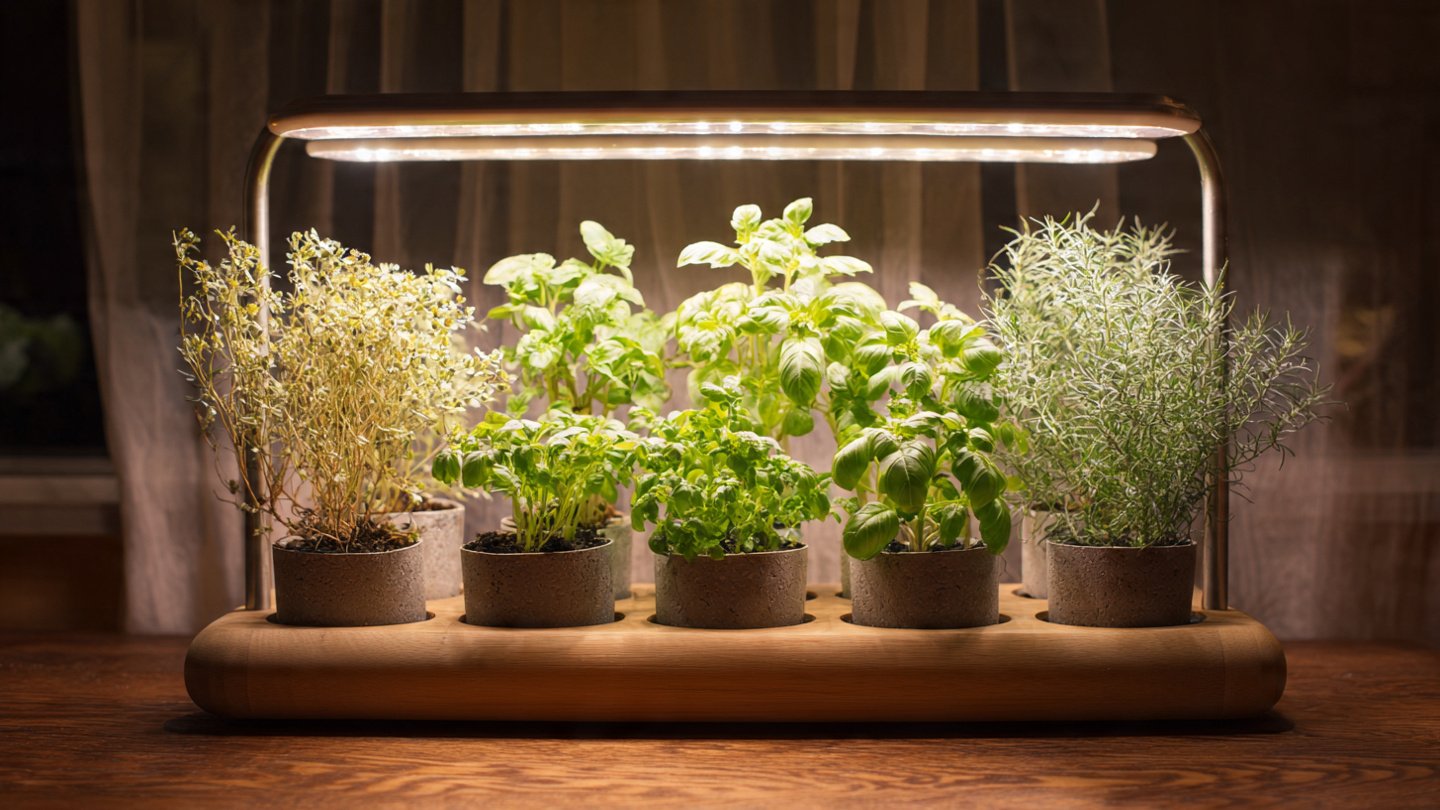
Starting an indoor herb garden is a wonderful way to have fresh, flavorful herbs at your fingertips all year round. Whether you’re a cooking enthusiast looking to enhance your meals or a gardening novice eager to nurture some greenery indoors, this beginner’s guide will walk you through the essentials of setting up an indoor herb garden successfully. From choosing the right herbs to caring for them, this comprehensive guide covers everything you need to kickstart your indoor herb-growing journey.
Why Start an Indoor Herb Garden?
Indoor herb gardens offer numerous benefits. Fresh herbs can transform ordinary dishes into gourmet creations, offering unmatched flavor and aroma. Growing herbs inside means you can harvest them whenever you need without worrying about seasonality or weather conditions. Moreover, herbs like basil, rosemary, and mint are easy to grow and require minimal maintenance, making them perfect for beginners. Additionally, indoor gardening can improve indoor air quality, provide a sense of accomplishment, and add a vibrant green touch to your home décor.
Choosing the Right Herbs for Indoor Gardening
Before you start planting, it’s important to choose herbs that thrive well indoors. Some of the best herbs for indoor gardening include:
- Basil: Requires bright light and regular watering, great for cooking.
- Mint: Easy to grow, prefers moist soil and indirect light.
- Parsley: Needs moderate light and evenly moist soil.
- Chives: Tolerates varying light conditions, perfect for fresh garnishes.
- Thyme: Prefers bright light and well-drained soil.
- Oregano: Thrives with plenty of sunlight and less frequent watering.
- Cilantro: Requires cooler temperatures and consistent moisture.
Choose herbs based on your cooking preferences and the available light in your indoor space.

Selecting Containers for Your Herb Garden
Choosing the right containers is crucial for the healthy growth of your herbs. Here are some tips for container selection:
Latest Posts
- A Comprehensive Guide to Successfully Growing Grape Vines in Your Backyard for Beginners and Experts Alike
- Best Tips for Successful Mango Growth in Containers
- Discover the Simple Steps for Successfully Growing Coriander in a Pot
- Discovering the Ultimate Guide to Growing African Violets from Leaf Cuttings
- Simple Techniques for Successfully Growing Seedless Grapes in Home Gardens
- Ultimate Guide to Growing Balsam Plants Naturally for Vibrant Blooms
- Discover the Secrets to Growing Lush Leek Leaves with Simple Hacks for Beginners
- How to Successfully Cultivate Sweet Cherries in the Unique Climate of Canada
- The Ultimate Guide to Successfully Growing Beautiful Succulent Garden Plants at Home
- A Comprehensive Guide to Growing Dhania from Seeds for Beginners
- Size: Small containers (6-8 inches deep) are usually sufficient for most herbs.
- Material: Terra cotta, ceramic, and plastic pots all work well, but terra cotta allows better air circulation and moisture evaporation.
- Drainage: Ensure your pots have drainage holes to prevent waterlogging, which can cause root rot.
- Aesthetic: Pick containers that complement your interior décor for a visually pleasing herb garden.
You can also repurpose household items like mugs, jars, or wooden boxes, making your garden eco-friendly and unique.
Choosing the Right Soil and Planting Medium
Herbs need well-draining soil to thrive. Use a high-quality potting mix specifically designed for indoor plants or herbs. Avoid garden soil as it is too dense for pots and may contain pests or diseases.
Consider mixing your potting soil with perlite or vermiculite to improve aeration and drainage. For organic growing, coconut coir or peat moss can be added to the soil mix. Avoid heavy soils that retain too much water.
Finding the Perfect Spot: Lighting Requirements
Lighting is one of the most important factors for healthy herbs. Most herbs require 6-8 hours of direct sunlight daily. Here are some lighting tips:
- South-facing windows provide the best natural light.
- East or west-facing windows also work but may provide less intensity.
- Supplemental lighting: If natural light is insufficient, use LED grow lights or fluorescent bulbs to provide the necessary light spectrum for photosynthesis.
- Rotate your plants regularly to ensure even growth.
Be mindful of the light needs of each herb, as some may tolerate lower light better than others.
Planting Your Indoor Herb Garden
You can start your herb garden from seeds, seedlings, or cuttings. Here’s how to get started:
From Seeds
- Fill your containers with potting mix.
- Moisten the soil lightly.
- Plant seeds according to the packet instructions (usually about ¼ to ½ inch deep).
- Cover lightly with soil and water gently.
- Keep the soil moist and place the pots in a warm, well-lit area.
- Germination time varies by herb, ranging from 7 to 21 days.
From Seedlings
- Purchase healthy herb seedlings from garden centers.
- Transplant them into your containers by gently loosening the roots.
- Water thoroughly after planting.
From Cuttings
- Take 4-6 inch cuttings from healthy plants.
- Place cuttings in water until roots develop.
- Transfer rooted cuttings into pots filled with potting mix.
Watering and Feeding Your Herbs
Herbs need consistent watering but dislike sitting in soggy soil. Here’s how to water your indoor herbs properly:
- Water when the top inch of soil feels dry.
- Use room-temperature water.
- Water until it drains out of the bottom to ensure thorough hydration.
- Avoid getting water on the leaves to prevent fungal diseases.
- Overwatering can lead to root rot; underwatering will cause wilted, dry plants.
Feeding herbs with a balanced, water-soluble fertilizer every 4-6 weeks supports healthy growth. Use a fertilizer designed for edible plants, and follow the package instructions to avoid overfeeding.
Maintaining Your Indoor Herb Garden
Regular maintenance keeps your garden thriving:
- Pruning: Trim herbs frequently to encourage bushy growth and prevent legginess.
- Harvesting: Pick leaves regularly but avoid removing more than one-third of the plant at a time.
- Pest control: Check for pests like aphids or spider mites. Use natural solutions like neem oil or insecticidal soap for treatment.
- Cleaning: Wipe leaves occasionally to remove dust and improve photosynthesis.
Troubleshooting Common Issues
Yellowing Leaves
Usually caused by overwatering or poor drainage. Adjust watering habits and ensure pots drain properly.
Leggy Plants
Lack of sufficient light causes long, sparse stems. Increase light exposure or use grow lights.
Slow Growth
Could be due to insufficient nutrients or pot size. Feed plants appropriately and consider repotting into larger containers if needed.
Pest Infestation
Remove pests manually or use organic treatments. Keep plants isolated if infestations occur.
Enjoying the Fruits of Your Labor
Once your indoor herb garden is established, you can enjoy fresh herbs in your cooking, teas, and garnishes. Try fragrant basil in pasta dishes, fresh mint in beverages, or thyme in soups. An indoor herb garden also makes a delightful gift or centerpiece for your home.
Conclusion
Starting an indoor herb garden is a rewarding and enjoyable project that can bring fresh flavors and greenery into your home year-round. By choosing the right herbs, containers, soil, and light, and providing proper care, even beginners can succeed in growing a healthy indoor herb garden. With patience and attention, you’ll soon reap the benefits of fresh, homegrown herbs that elevate your culinary creations and brighten your living space.

Would you like me to include specific recipes using fresh indoor herbs or tips on creating an herb garden for small spaces?