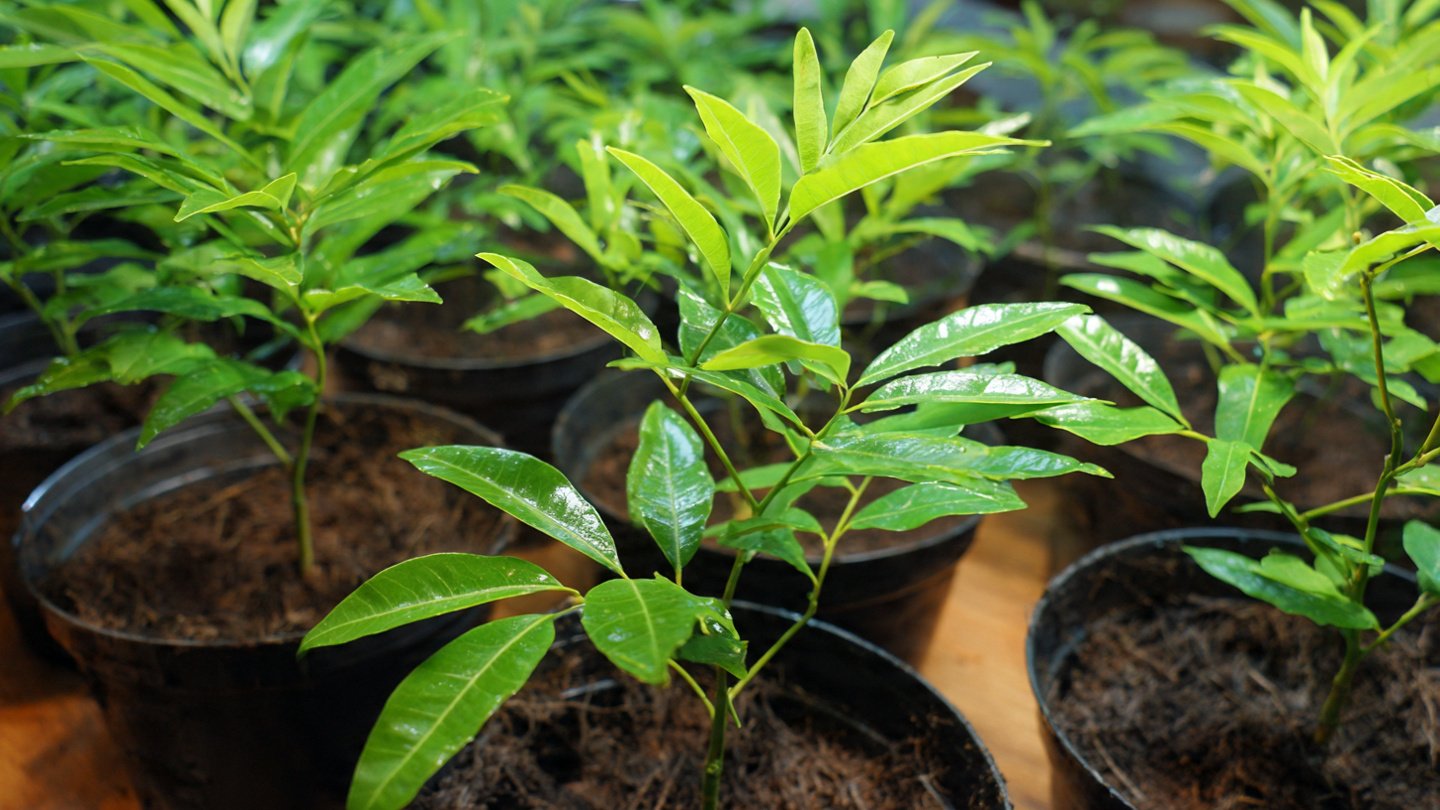
Curry leaf plants (Murraya koenigii) are a staple in Indian and South Asian kitchens, prized for their aromatic leaves that impart a distinctive flavor to curries, chutneys, and various other dishes. If you enjoy growing curry leaves and want to expand your herb garden quickly, learning to multiply your curry leaf plant efficiently is essential. This article explores the fast multiplication method for curry leaf plants—how it works, step-by-step instructions, and tips to ensure success.
Understanding Curry Leaf Plant Propagation
Before diving into the fast multiplication method, it’s helpful to understand the common ways curry leaf plants are propagated:
Latest Posts
- A Comprehensive Guide to Successfully Growing Grape Vines in Your Backyard for Beginners and Experts Alike
- Best Tips for Successful Mango Growth in Containers
- Discover the Simple Steps for Successfully Growing Coriander in a Pot
- Discovering the Ultimate Guide to Growing African Violets from Leaf Cuttings
- Simple Techniques for Successfully Growing Seedless Grapes in Home Gardens
- Ultimate Guide to Growing Balsam Plants Naturally for Vibrant Blooms
- Discover the Secrets to Growing Lush Leek Leaves with Simple Hacks for Beginners
- How to Successfully Cultivate Sweet Cherries in the Unique Climate of Canada
- The Ultimate Guide to Successfully Growing Beautiful Succulent Garden Plants at Home
- A Comprehensive Guide to Growing Dhania from Seeds for Beginners
-
Seeds: Growing curry leaf plants from seeds is a natural method but often slow and unreliable. Seeds can take 2-3 weeks to germinate, and seedling growth is quite slow. Additionally, seeds may not always produce plants identical to the parent.
-
Stem Cuttings: This is a popular method using young or semi-hardwood cuttings from the parent plant. However, root development can take several weeks, and success rates vary depending on cutting quality and environmental conditions.
-
Air Layering: This technique involves inducing roots to form on a stem while it is still attached to the parent plant. While effective, air layering takes time and patience.
The fast multiplication method accelerates propagation primarily using stem cuttings but optimizes conditions and uses rooting hormones and ideal environmental setups to speed root development and increase success rates.
The Fast Multiplication Method Explained
The fast multiplication method focuses on rapid rooting of stem cuttings under controlled conditions, enhancing root initiation and growth. Here’s why it works:

- Rooting Hormones: Using rooting powders or gels containing auxins like IBA (indole-3-butyric acid) promotes faster root formation.
- Optimal Cutting Selection: Using semi-hardwood cuttings from healthy, disease-free plants ensures better propagation.
- Controlled Environment: High humidity, warm temperatures (around 25-30°C), and bright, indirect light create ideal conditions for cuttings to root quickly.
- Growing Medium: Well-draining, sterile medium such as coco peat mixed with perlite retains moisture without waterlogging, providing a balanced environment for root growth.
By combining these best practices, the fast multiplication method can yield rooted plants ready for transplanting in as little as 3-4 weeks, compared to the usual 6-8 weeks or more with traditional methods.
Step-by-Step Guide to Multiply Your Curry Leaf Plant Quickly
Step 1: Select Healthy Parent Plant and Prepare Cuttings
Choose a healthy, vigorously growing curry leaf plant free from pests and diseases. Look for semi-hardwood stems that are about 4-6 inches long. Semi-hardwood stems are neither too young and soft nor too old and woody.
- Cut 4-6 inch stem sections using clean, sharp pruning shears.
- Remove the leaves from the lower half of the cutting to reduce moisture loss.
- Leave a few healthy leaves at the top to allow photosynthesis.
Step 2: Dip Cuttings in Rooting Hormone

Using rooting hormone can significantly boost root development speed and success. Available in powder, gel, or liquid form, rooting hormone contains auxins to stimulate root cells.
- Dip the base (cut end) of each cutting into water to moisten.
- Then dip the moist cut end into rooting hormone powder or gel, gently tapping off excess powder.
- If using liquid rooting hormone, soak the cutting base for 5-10 minutes as per product instructions.
Step 3: Prepare the Growing Medium
Prepare a well-draining rooting medium to avoid waterlogging and root rot. A recommended mix is:
- 50% cocopeat or peat moss—retains moisture and air.
- 50% perlite or coarse sand—improves aeration and drainage.
Fill small pots or a seed tray with the medium and moisten it well before planting the cuttings.
Step 4: Plant the Cuttings
- Make a hole in the growing medium using a pencil or stick.
- Insert the cutting about 2-3 inches deep into the medium.
- Firm the medium gently around the cutting base to hold it in place.
Step 5: Create a Humid Environment
Humidity is key to preventing excessive moisture loss through leaves, helping the cutting focus energy on root development.
- Cover the cuttings with a clear plastic bag, dome, or plastic bottle cut in half to maintain high humidity.
- Make sure the cover does not touch the leaves to avoid fungal infections.
- Open the cover for a short time daily to allow air exchange and prevent mold growth.
Step 6: Provide Adequate Light and Temperature
- Place the cuttings in bright, indirect light—avoid direct sunlight which can burn young cuttings.
- Maintain warm temperatures between 25-30°C (77-86°F) to encourage root growth.
- Keep the growing medium moist but not soggy; water as needed to prevent drying out.
Step 7: Monitor and Wait for Root Development
Roots typically start developing within 2-3 weeks under these optimized conditions. Check for roots by gently tugging the cuttings—resistance indicates root formation.

- Once the cuttings have well-established roots (about 1-2 inches long), they are ready for transplanting.
Step 8: Transplant to Larger Pots or Garden
- Carefully remove the rooted cuttings from the propagation medium without damaging roots.
- Transplant into pots with well-draining soil or directly into the garden.
- Water lightly and gradually acclimate the plants to outdoor conditions by reducing humidity and increasing sunlight exposure over several days.
Tips to Maximize Success
- Use sharp, sterilized cutting tools to prevent infections.
- Avoid cuttings from flowering stems as they focus energy on blooms, not roots.
- Take cuttings early in the morning when plants are well-hydrated.
- Maintain consistent moisture but avoid waterlogging which can cause rot.
- Provide ventilation to prevent fungal diseases.
- Fertilize lightly with half-strength balanced fertilizer once new growth appears after transplanting.
- Regularly check for pests and diseases.
Common Challenges and How to Overcome Them

- Cuttings drying out: Ensure high humidity and adequate watering.
- Fungal infections: Use clean pots and sterilized tools, provide ventilation.
- Poor rooting: Use fresh rooting hormone, select healthy cuttings, maintain warm temperatures.
- Slow growth: Provide balanced fertilizer post-rooting and optimal light.
Advantages of the Fast Multiplication Method
- Produces multiple healthy plants quickly.
- Higher success rate compared to non-optimized cuttings.
- Saves time and money on buying new plants.
- Enables rapid expansion of your herb garden.
Conclusion
Multiplying your curry leaf plant quickly and effectively is achievable with the fast multiplication method. By choosing the right cuttings, using rooting hormones, providing ideal environmental conditions, and ensuring proper care, you can grow several new curry leaf plants in just a few weeks. This method not only expedites propagation but also improves the quality and vigor of your new plants, allowing you to enjoy an abundant supply of fresh curry leaves year-round.
Whether you’re a culinary enthusiast or a gardening hobbyist, mastering this technique will empower you to expand your curry leaf collection with confidence and ease. Happy gardening!