Introduction to Yellow Watermelon Growing
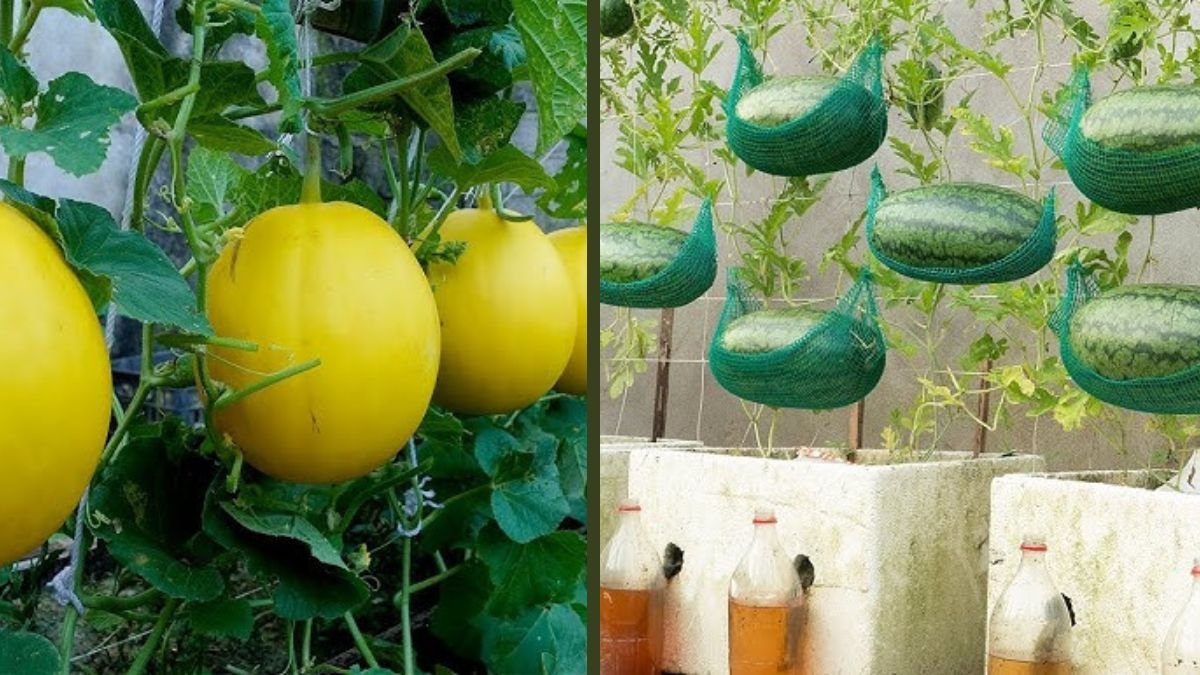
Yellow watermelon is a vibrant, sweet, and juicy fruit that stands out in any garden. Growing yellow watermelon at home can be surprisingly easy with the right techniques. Homegrown melons develop better sweetness and size than store-bought ones. With proper care, fruits can grow extremely large, providing fresh harvests for family and friends. Yellow watermelon is not only delicious but also visually striking. This guide explains how to grow super big and sweet yellow melons at home. The process is rewarding and exciting for both beginners and experienced gardeners.
Why Yellow Watermelon Is Special
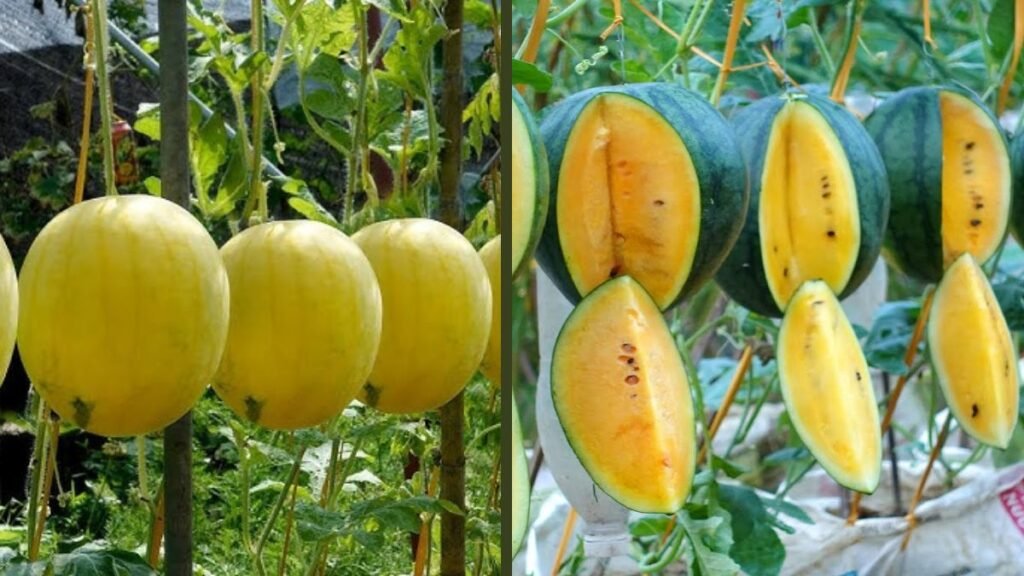
Yellow watermelon is sweeter than red varieties. Its bright yellow flesh makes it visually appealing. Homegrown fruits have higher sugar content. Controlled care ensures uniform ripening. They are chemical-free and healthier. Harvested at peak ripeness, flavor and aroma are unmatched. Yellow melons are also versatile for juices, desserts, and salads. Growing them adds variety to your garden. The unique color attracts attention at harvest.
Choosing the Right Yellow Watermelon Variety
Select fast-growing, large-fruited varieties. Examples include Desert King, Yellow Crimson, and Buttercup. Choose seeds from reliable sources. Hybrid varieties provide disease resistance. Consider climate adaptability. Proper variety choice ensures size, sweetness, and uniform growth. Quality seeds increase germination success. Local varieties adapt better to soil and temperature. Variety selection is critical for maximum yield.
Seed Preparation for Quick Germination
Soak seeds in warm water for 12-24 hours. This softens the seed coat and promotes early germination. Some gardeners use organic solutions to boost seed vigor. Plant seeds in well-draining seed trays. Maintain consistent warmth and moisture. Strong seedlings support vigorous vine growth. Healthy roots lead to larger fruits. Seed preparation impacts overall yield.

Soil Preparation for Big, Sweet Fruits
Yellow watermelon prefers sandy loam rich in organic matter. Mix garden soil with compost and well-rotted manure. Avoid compacted soil. Proper drainage is essential. Fertile soil supports vine and fruit development. Healthy soil increases sweetness and size. Nutrient-rich soil ensures continuous flowering. Soil preparation is a critical step for maximum yield.
Latest Posts
- A Comprehensive Guide to Successfully Growing Grape Vines in Your Backyard for Beginners and Experts Alike
- Best Tips for Successful Mango Growth in Containers
- Discover the Simple Steps for Successfully Growing Coriander in a Pot
- Discovering the Ultimate Guide to Growing African Violets from Leaf Cuttings
- Simple Techniques for Successfully Growing Seedless Grapes in Home Gardens
- Ultimate Guide to Growing Balsam Plants Naturally for Vibrant Blooms
- Discover the Secrets to Growing Lush Leek Leaves with Simple Hacks for Beginners
- How to Successfully Cultivate Sweet Cherries in the Unique Climate of Canada
- The Ultimate Guide to Successfully Growing Beautiful Succulent Garden Plants at Home
- A Comprehensive Guide to Growing Dhania from Seeds for Beginners
Planting Techniques for Home Gardens
Space seedlings 3-4 feet apart to allow vine spread. Dig shallow holes for seedlings. Plant in rows or mounds. Cover roots gently. Mulch to retain moisture. Proper planting supports healthy root growth. Correct spacing prevents overcrowding. Arrangement influences fruit size and quality.
Sunlight and Climate Requirements
Yellow watermelon thrives in full sun. Plants need at least 6-8 hours of sunlight daily. Protect from excessive wind. Morning sunlight strengthens vines. Adequate light improves sugar accumulation. Insufficient light reduces size and sweetness. Observation ensures optimal growth. Sunlight management is crucial.
Watering Schedule for Maximum Size
Deep and consistent watering is essential. Reduce watering slightly as fruits mature. Avoid overwatering, which dilutes sweetness. Mulching conserves moisture. Morning watering prevents fungal issues. Balanced hydration encourages larger fruit size. Proper watering ensures juicy, sweet melons.
Fertilization Techniques
Yellow watermelon is a heavy feeder. Use compost, organic fertilizer, and potassium-rich supplements. Avoid excessive nitrogen after flowering. Feed every two weeks. Proper nutrition boosts fruit size and sweetness. Organic fertilizers improve soil health. Balanced feeding maximizes yield.
Trellis vs Ground Growing
While watermelon vines naturally spread on the ground, trellis growing saves space. Small melons can be supported on trellises. Ground growth allows super big fruits. Choose method based on space availability. Proper support prevents fruit rot. Growth management impacts size. Ground-growing yields largest fruits.
Flowering and Pollination
Flowers are male and female. Encourage bees for natural pollination. Hand pollination ensures fruit set when pollinators are scarce. Avoid chemicals during flowering. Proper pollination improves fruit number and size. Monitor flower health. Early pollination leads to timely fruit growth.
Managing Vine Growth
Train vines to spread evenly. Avoid entanglement. Healthy vine growth supports fruit weight. Remove weak shoots. Maintain strong main stems. Proper management improves sunlight exposure. Organized vines result in larger fruits. Continuous monitoring ensures quality harvest.
Fruit Development Stages
Fruits develop gradually. Monitor size, shape, and weight. Remove small or damaged fruits to focus energy. Healthy development ensures sweet, juicy melons. Avoid overcrowding. Consistent care promotes uniform size. Track vine health. Timely pruning supports fruit development.
Pest and Disease Management
Common pests include aphids, beetles, and caterpillars. Inspect regularly. Use neem oil or organic sprays. Avoid waterlogging to prevent fungal infections. Clean surroundings reduce disease. Healthy plants resist pests naturally. Prevention is easier than cure. Organic care protects fruit quality.
Yellow Watermelon Growth Overview (Table)
| Stage | Duration | Key Care |
|---|---|---|
| Germination | 7-10 days | Moisture & warmth |
| Vine Growth | 3-4 weeks | Sunlight & support |
| Flowering | 2 weeks | Pollination |
| Fruiting | 4-6 weeks | Water & feeding |
Harvesting Super Big Yellow Watermelon
Harvest when fruits are fully ripe. Skin color, tendril drying, and surface texture indicate readiness. Use sharp tools carefully. Avoid damaging vines. Morning harvesting is ideal. Proper timing maximizes sweetness. Handle fruits gently. Enjoy peak flavor and fragrance.
Storage and Usage
Store in cool, dry areas. Refrigerate after cutting. Use in juices, desserts, and salads. Fresh homegrown fruits retain maximum nutrients. Share with family and friends. Proper storage maintains taste and freshness. Enjoy naturally sweet fruits.

Common Mistakes to Avoid
Overwatering dilutes sweetness. Poor sunlight limits sugar formation. Crowding reduces fruit size. Ignoring pollination reduces fruit set. Avoid these errors. Simple corrections improve results. Careful observation ensures success. Experience builds confidence.
Why Growing Yellow Watermelon Is Worth the Effort
Produces visually striking and sweet fruits. Gardening becomes rewarding. Fruits are chemical-free. Cost savings are significant. Enjoy fresh harvests. Unique yellow color excites family and friends. Gardening experience is fulfilling. Effort results in impressive fruits.
Final Conclusion
Growing yellow watermelon at home is feasible and rewarding. Proper care ensures super big, juicy, and sweet fruits. Sunlight, water, soil, pollination, and pruning are key. With attention to these factors, home gardeners can enjoy an impressive harvest. Try this method and delight in vibrant yellow melons at home.