Introduction to Loofah Cultivation
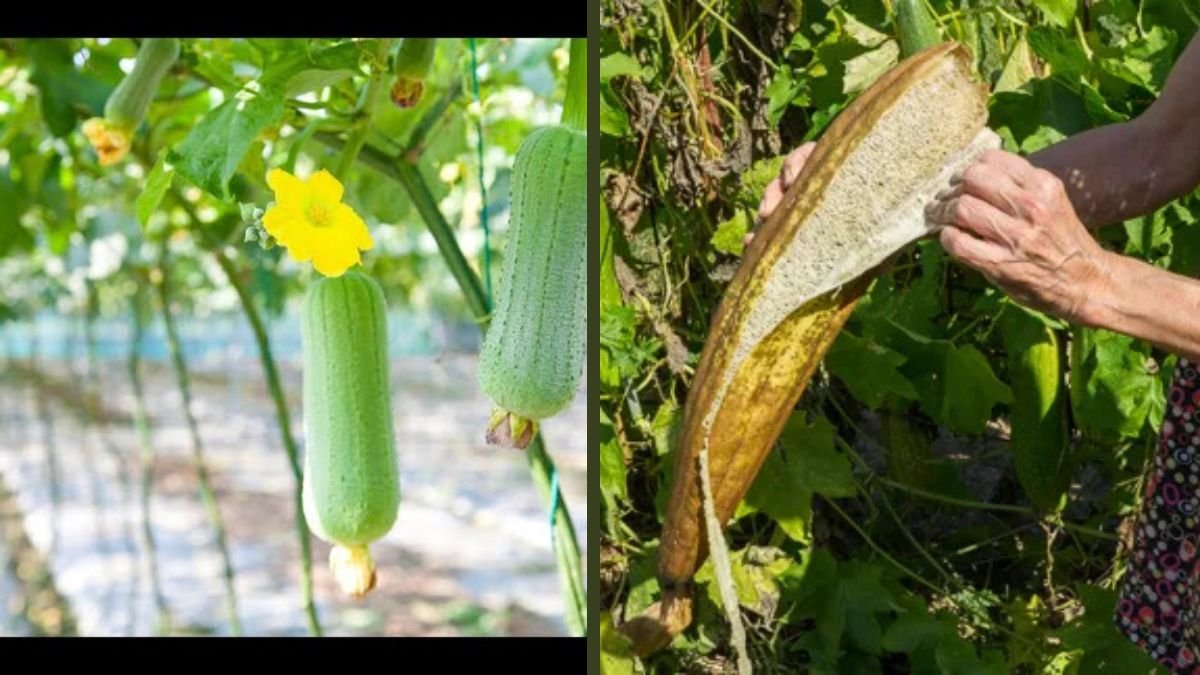
Loofah, also called sponge gourd, is a versatile plant grown for both food and natural sponges. Growing loofah at home can be highly rewarding when you know the secrets to abundant fruiting. This article shares tips from an experienced gardener who achieved heavy yields while maintaining healthy plants. Loofah plants are climbing vines that thrive with support and sunlight. Proper care ensures continuous flowering and fruit production. They are easy to grow in home gardens, balconies, and even vertical trellises. With careful planning, gardeners can enjoy both edible loofah and dried sponge loofahs. The process requires patience but is simple with the right techniques.
Why Homegrown Loofah Is Better
Store-bought loofah often lacks flavor and freshness. Homegrown loofah is tastier, healthier, and chemical-free. Growing at home allows control over soil, water, and sunlight. Fruits are harvested at the perfect size. Continuous care promotes consistent flowering. Homegrown loofah retains nutrients better. The aroma and flavor are superior. Growing at home ensures maximum yield. It also provides a sense of satisfaction and accomplishment.
Choosing the Right Loofah Variety
Selecting the correct variety is crucial for heavy fruiting. Popular varieties include smooth loofah, ridged loofah, and hybrid types. Smooth loofah is ideal for cooking. Ridged loofah produces better sponges. Hybrid varieties offer early flowering and disease resistance. Choose seeds suitable for your climate. Fresh seeds from trusted sources ensure higher germination rates. Proper variety selection guarantees abundant harvests. Variety choice affects fruit size, taste, and quality.
Seed Preparation for Healthy Growth
Soak loofah seeds in warm water for 24 hours before planting. This softens the seed coat and encourages faster germination. Some gardeners use organic solutions to improve seed strength. Prepare a light seedling tray with well-draining soil. Keep seeds in a warm, sunny area. Moisture should be consistent but not excessive. Healthy seedlings establish strong roots quickly. Seed preparation is the first step toward abundant fruit.

Soil Preparation for Maximum Yield
Loofah requires fertile, well-draining soil rich in organic matter. A mix of garden soil, compost, and sand works well. Soil pH should be slightly acidic to neutral. Adding compost improves texture and nutrient content. Avoid heavy clay soils that retain water. Healthy soil encourages strong vines and vigorous fruiting. Proper soil preparation ensures plants can absorb nutrients efficiently. This step significantly influences yield and fruit quality.
Latest Posts
- A Comprehensive Guide to Successfully Growing Grape Vines in Your Backyard for Beginners and Experts Alike
- Best Tips for Successful Mango Growth in Containers
- Discover the Simple Steps for Successfully Growing Coriander in a Pot
- Discovering the Ultimate Guide to Growing African Violets from Leaf Cuttings
- Simple Techniques for Successfully Growing Seedless Grapes in Home Gardens
- Ultimate Guide to Growing Balsam Plants Naturally for Vibrant Blooms
- Discover the Secrets to Growing Lush Leek Leaves with Simple Hacks for Beginners
- How to Successfully Cultivate Sweet Cherries in the Unique Climate of Canada
- The Ultimate Guide to Successfully Growing Beautiful Succulent Garden Plants at Home
- A Comprehensive Guide to Growing Dhania from Seeds for Beginners
Support and Trellis System for Climbing Loofah
Loofah is a climbing plant and needs sturdy support. Wooden trellises, bamboo poles, or metal frames work well. Vertical growth saves space and increases airflow. Proper support reduces fruit breakage. Spacing vines on a trellis prevents overcrowding. Vertical gardening also makes harvesting easier. A well-structured trellis ensures fruits develop evenly. Strong support promotes continuous fruiting throughout the season.
Sunlight Requirements
Loofah thrives in full sunlight. Place plants in an area receiving at least 6-8 hours of sunlight daily. Insufficient sunlight reduces flowering and fruit set. Morning sunlight is particularly beneficial. Ensure lower leaves are not shaded by higher vines. Proper light exposure strengthens stems and promotes flowering. Sunlight also improves fruit taste and aroma. Careful monitoring ensures optimal growth.
Watering Schedule for Abundant Fruits
Regular watering is essential during vegetative growth. Deep watering strengthens roots. Reduce water slightly during fruit maturation to enhance sweetness. Avoid waterlogging, which can cause root rot. Morning watering is ideal. Mulching helps retain moisture and suppress weeds. Consistent hydration supports flowering and fruit development. Proper watering ensures maximum fruit set.
Fertilization Tips for Heavy Fruiting
Loofah is a heavy feeder and requires balanced nutrients. Use compost and organic fertilizers regularly. Avoid excessive nitrogen after flowering starts, as it promotes foliage instead of fruiting. Potassium and phosphorus encourage flower and fruit development. Feed every two weeks. Liquid organic fertilizers boost growth. Balanced feeding supports multiple fruiting cycles. Fertilization directly impacts fruit quantity and quality.
Pruning Techniques to Boost Fruit Production
Pruning improves airflow and light penetration. Remove weak or non-productive vines. Pinch off early flowers to stimulate new flowering branches. Focus on maintaining a strong main stem. Regular pruning encourages more lateral branches. Pruned plants are bushier and produce more flowers. Proper technique maximizes fruiting points. Pruning ensures abundant loofah harvests.
Pollination Management
Loofah flowers are mostly male and female on separate branches. Pollination is crucial for fruit set. Encourage natural pollinators such as bees. In areas with limited pollination, hand pollination is effective. Avoid spraying chemicals during flowering. Proper pollination ensures even fruit growth. Timely observation of flowers enhances yield. Pollination directly affects the number of loofah fruits per plant.
Fruit Development Stages
Loofah fruits develop in stages from small shoots to mature gourds. Monitor size and shape regularly. Remove damaged or underdeveloped fruits to allow energy for healthier ones. Proper care during fruit development ensures longer and thicker gourds. Avoid bending or overcrowding fruits. Healthy development results in better taste and sponge quality. Consistency throughout stages improves final harvest.
Pest and Disease Control
Common pests include aphids, beetles, and mites. Regular inspection helps detect early infestations. Use neem oil or organic sprays to control pests. Remove affected leaves promptly. Ensure proper airflow to prevent fungal diseases. Avoid excessive moisture on leaves. Disease-free plants produce more fruit. Prevention is more effective than cure.
Loofah Growth Overview (Table)
| Stage | Duration | Key Care |
|---|---|---|
| Germination | 7-10 days | Moisture & warmth |
| Vine Growth | 3-4 weeks | Trellis & sunlight |
| Flowering | 2 weeks | Pollination |
| Fruiting | 3-4 weeks | Water & fertilizer |
Harvesting Loofah Properly
Harvest loofah when fruits reach the desired size, usually 12-18 inches long. Younger fruits are ideal for cooking. For sponge production, let fruits mature fully. Use a sharp knife to cut fruits carefully. Morning harvest is best. Avoid leaving fruits too long to prevent over-ripening. Proper harvesting encourages continuous fruiting. Handle carefully to prevent damage.
Drying Loofah for Natural Sponges
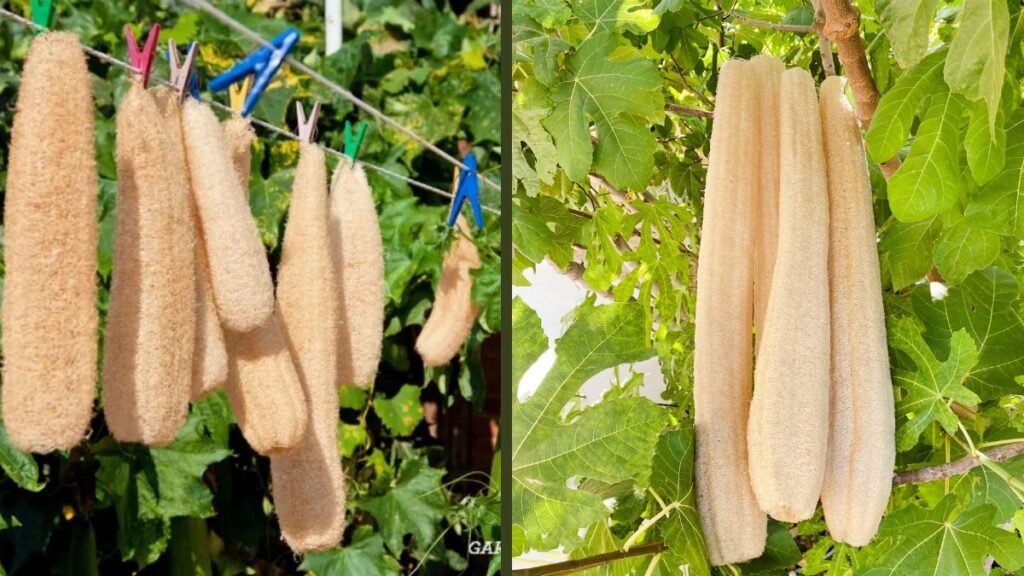
For sponge loofahs, allow fruits to dry on the vine or after harvest. Peel off the outer skin. Dry completely in a ventilated area. Dried loofah sponges are durable and eco-friendly. Proper drying ensures quality. Natural sponges can be used or sold. Drying complements fruit harvest. Timing is crucial for best results.
Common Mistakes to Avoid
Overwatering reduces fruit sweetness. Excess nitrogen promotes leaves instead of fruits. Ignoring trellis support causes breakage. Poor pollination reduces yield. Avoid overcrowding vines. These mistakes are easy to prevent. Correcting errors ensures success. Experience improves outcomes.

Benefits of Growing Loofah at Home
Provides fresh, chemical-free produce. Suitable for small and large gardens. Produces multiple fruits per plant. Can be used as food or natural sponges. Improves home aesthetics. Encourages sustainable living. Builds gardening confidence. Rewards effort with abundance.
Why This Method Works Wonders
Proper soil, sunlight, support, pruning, and pollination are key. Following these steps ensures high yield. Plants are healthier and more productive. Energy is focused on flowering and fruiting. Results are consistent and repeatable. Home gardeners benefit greatly. Even beginners can achieve success. The method combines simplicity with productivity.
Final Conclusion
Growing loofah with lots of fruits is achievable with proper techniques. Following this guide, gardeners can enjoy both delicious fruits and natural sponges. Consistent care, attention to sunlight, water, and pruning are essential. The process is rewarding and satisfying. Try these tips and enjoy a bountiful loofah harvest at home.