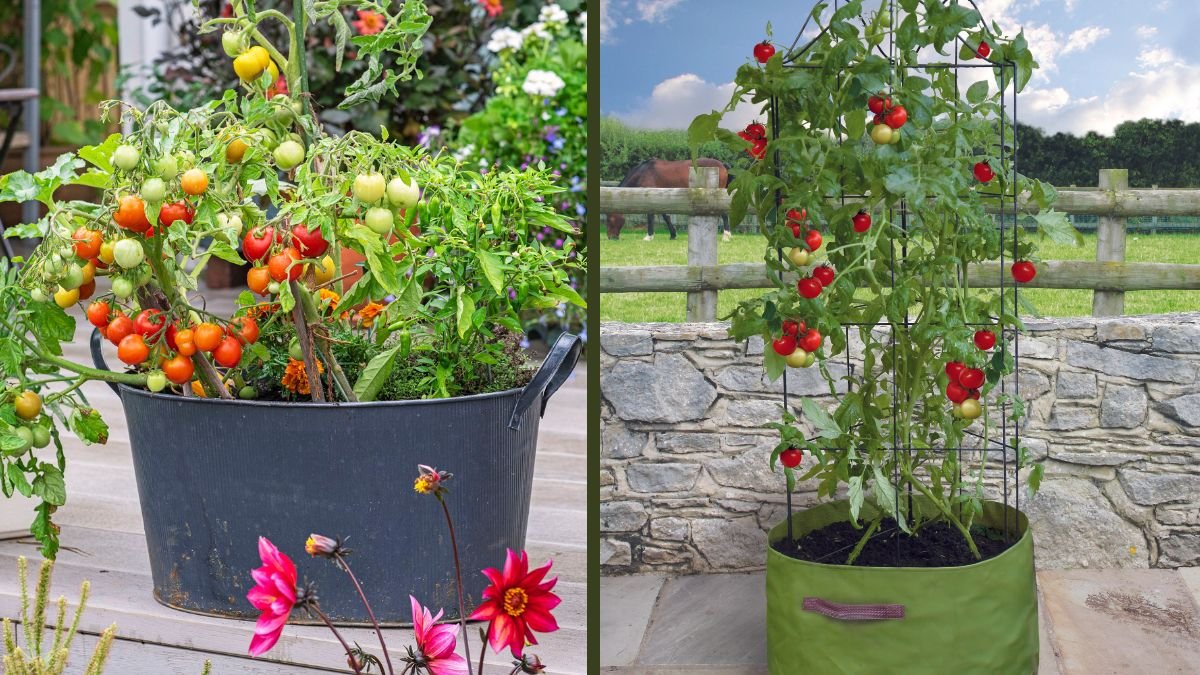
Paragraph 1: Introduction to Tomato Gardening
Tomatoes are one of the most popular and nutritious vegetables for home gardens. Growing tomatoes at home provides fresh, chemical-free produce. They thrive in pots, raised beds, and gardens. Home-grown tomatoes are tastier and more nutritious than store-bought ones. With proper care, tomatoes produce abundant fruit throughout the season. Understanding growth habits ensures success. This guide covers planting, care, harvesting, and preservation. Tomatoes also add aesthetic value to gardens. Beginners and experts alike can benefit from these tips.
Paragraph 2: Why Grow Tomatoes at Home
Home-grown tomatoes reduce dependence on store-bought produce. They are free from pesticides and preservatives. Tomatoes are rich in vitamins, antioxidants, and lycopene. Growing tomatoes at home saves money and enhances cooking quality. Fresh tomatoes improve salads, sauces, and cooking. Growing vegetables at home promotes sustainability. Gardeners can experiment with varieties. Health benefits and flavor make tomatoes ideal for home gardens.
Paragraph 3: Selecting the Right Tomato Varieties
There are determinate (bushy) and indeterminate (vining) tomato varieties. Cherry, beefsteak, roma, and heirloom are popular options. Determinate varieties are ideal for small spaces. Indeterminate tomatoes grow longer and yield continuously. Variety selection depends on climate, space, and purpose. Some varieties are disease-resistant. Proper selection ensures high yield. Varieties affect care, pruning, and harvesting. Choose according to culinary needs.
Paragraph 4: Choosing the Right Location
Tomatoes require full sunlight, at least six hours daily. They prefer well-draining soil and protection from strong winds. Balcony containers or raised beds are ideal. Outdoor gardens yield larger plants. Ensure proper airflow to prevent diseases. Tomatoes grow best in warm, sunny locations. Placement affects flowering and fruit set. Avoid shaded areas. Location directly impacts productivity and flavor.

Paragraph 5: Soil Preparation for Tomatoes
Tomatoes prefer loamy, nutrient-rich soil with good drainage. Mix garden soil with compost or well-rotted manure. Avoid compacted or heavy clay soil. Soil should have pH 6 to 6.8. Enriched soil ensures healthy root growth and abundant fruiting. Aerate soil before planting. Healthy soil reduces disease risk. Fertile soil maximizes yield. Proper preparation is key to success.
Latest Posts
- A Comprehensive Guide to Successfully Growing Grape Vines in Your Backyard for Beginners and Experts Alike
- Best Tips for Successful Mango Growth in Containers
- Discover the Simple Steps for Successfully Growing Coriander in a Pot
- Discovering the Ultimate Guide to Growing African Violets from Leaf Cuttings
- Simple Techniques for Successfully Growing Seedless Grapes in Home Gardens
- Ultimate Guide to Growing Balsam Plants Naturally for Vibrant Blooms
- Discover the Secrets to Growing Lush Leek Leaves with Simple Hacks for Beginners
- How to Successfully Cultivate Sweet Cherries in the Unique Climate of Canada
- The Ultimate Guide to Successfully Growing Beautiful Succulent Garden Plants at Home
- A Comprehensive Guide to Growing Dhania from Seeds for Beginners
Paragraph 6: Container vs Ground Planting
Tomatoes can grow in large containers or directly in garden beds. Containers offer mobility and space efficiency. Raised beds improve drainage and soil warmth. Both methods require support like stakes or cages. Containers are ideal for urban spaces. Ground planting suits large gardens. Proper spacing prevents overcrowding. Support structures improve growth. Both methods work with proper care.
Paragraph 7: Propagation Methods for Tomatoes
Tomatoes are commonly grown from seeds or nursery seedlings. Seeds provide variety options. Transplant seedlings for faster growth. Maintain consistent moisture for germination. Seedlings need 4–6 weeks before transplanting. Healthy seedlings produce better yields. Propagation ensures uniformity and disease resistance. Seed starting indoors extends the growing season. Choose propagation method based on convenience.
Paragraph 8: Planting Tomato Seedlings
Plant seedlings deep, covering stems up to the first leaves. This encourages strong root development. Space determinate varieties 18–24 inches apart. Indeterminate tomatoes require 24–36 inches. Water gently after planting. Mulch around seedlings to retain moisture. Proper planting reduces transplant shock. Healthy spacing improves airflow. Correct depth supports vigorous growth.

Paragraph 9: Watering Techniques
Tomatoes need consistent watering. Water at the base, not leaves, to prevent fungal diseases. Morning watering reduces evaporation. Deep watering encourages strong root growth. Avoid waterlogging. Maintain moist, well-draining soil. Mulch helps retain soil moisture. Regular monitoring prevents stress. Proper irrigation ensures quality fruit.
Paragraph 10: Fertilization for Tomatoes
Use balanced fertilizers or compost for healthy growth. Avoid excessive nitrogen, which promotes leaf growth over fruit. Fertilize at planting and monthly during growth. Liquid fertilizers provide quick nutrients. Potassium and phosphorus enhance flowering and fruiting. Proper feeding improves taste and size. Well-fertilized plants resist pests and disease. Nutrient management is essential for high yield.
Paragraph 11: Staking and Supporting Plants
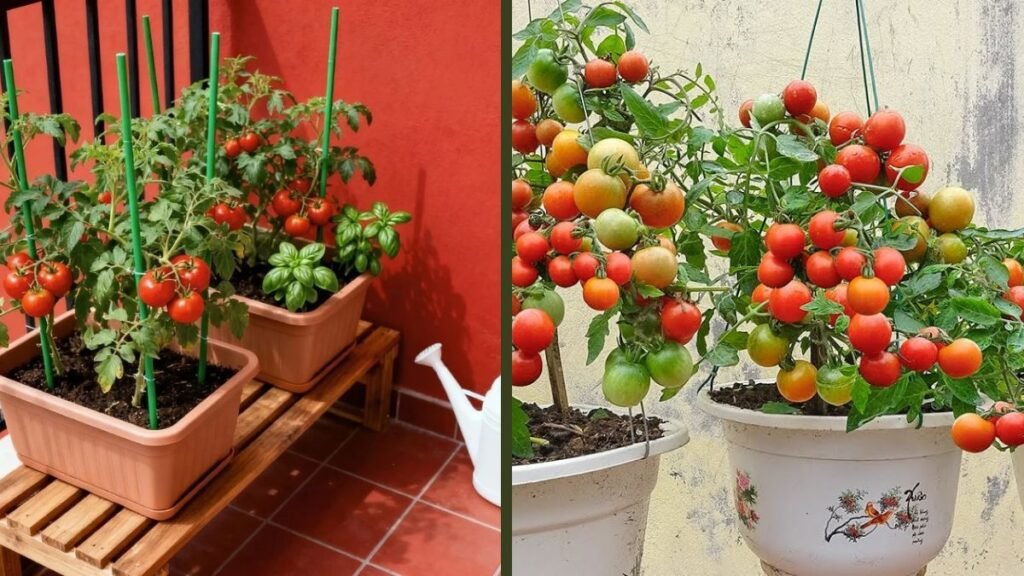
Indeterminate tomatoes require stakes or cages. Tying plants supports upright growth. Prevents stem breakage and fruit touching soil. Proper support improves air circulation. Reduces disease risk. Prune lower leaves for airflow. Maintenance prevents sprawling plants. Supported plants produce healthier fruit. Staking simplifies harvesting.
Paragraph 12: Pruning and Pinching Tips
Prune suckers for indeterminate varieties to focus energy on main stems. Remove yellow or damaged leaves. Pinching encourages larger fruit and prevents overcrowding. Maintain 3–4 main stems per plant. Regular pruning enhances productivity. Pruned plants have better airflow. Prevents disease spread. Controlled growth improves fruit quality.

Paragraph 13: Pest and Disease Management
Common pests include aphids, whiteflies, and tomato hornworms. Fungal diseases include blight and powdery mildew. Inspect plants regularly. Use neem oil or organic sprays. Remove infected leaves immediately. Rotate crops to prevent disease. Proper spacing reduces fungal issues. Integrated pest management ensures healthy plants.
Paragraph 14: Flowering and Pollination
Tomatoes are self-pollinating but benefit from wind or insects. Gently shake flowers to encourage pollination. Provide consistent sunlight and nutrients. Poor pollination results in fewer fruits. Healthy flowering leads to abundant yield. Maintain plant vigor during flowering. Pollination affects fruit size. Careful monitoring improves harvest.
Paragraph 15: Harvesting Tomatoes
Harvest tomatoes when fully colored and firm. Pick gently to avoid damaging stems. Determinate varieties yield all at once; indeterminate yield continuously. Morning harvest retains flavor. Avoid overripe fruit to prevent rot. Proper handling ensures longer storage. Harvesting encourages more fruiting. Timely picking maximizes production.
Paragraph 16: Preserving Tomatoes
Tomatoes can be preserved by freezing, drying, or making sauces. Freeze ripe tomatoes whole or chopped. Sun-dry slices for long-term storage. Homemade sauces and pastes reduce waste. Proper preservation retains flavor and nutrition. Label and store in airtight containers. Preserving extends utility. Seasonal excess can be stored. Preserved tomatoes enhance cooking.

Paragraph 17: Table – Tomato Growing Checklist
Table: Tomato Gardening Essentials
Aspect | Recommended Practice
Light | Six or more hours daily
Watering | Consistent, at base
Soil | Loamy, well-draining
Spacing | Determinate 18–24 inches, Indeterminate 24–36 inches
Fertilization | Balanced, monthly
Support | Stakes or cages
Harvest | When fully colored and firm
Paragraph 18: Indoor vs Outdoor Tomato Gardening
Indoor tomato gardening allows control over light and temperature. Outdoor gardening provides natural sunlight and airflow. Containers suit indoor spaces. Raised beds are ideal outdoors. Indoor may require supplemental lighting. Outdoor plants yield larger fruit. Both methods work with proper care. Flexibility improves harvest success.
Paragraph 19: Teaching Kids and Beginners Gardening
Tomato gardening teaches responsibility, patience, and sustainability. Children learn plant growth, pollination, and harvesting. Gardening encourages healthy eating habits. Simple planting and care keep beginners engaged. Observing growth fosters curiosity. Educational and practical. Tomatoes are ideal for home learning gardens. Hands-on gardening builds confidence.

Paragraph 20: Conclusion
Growing and preserving tomatoes at home is rewarding, cost-effective, and healthy. With proper planting, watering, pruning, and support, gardeners can enjoy continuous harvests. Home-grown tomatoes are tastier and nutritious. Preservation techniques ensure availability year-round. Indoor and outdoor methods suit various spaces. Careful attention ensures high yield and quality. Start growing tomatoes today and enjoy fresh, chemical-free produce at home.