Introduction: Innovative Onion Gardening Using Old Tires
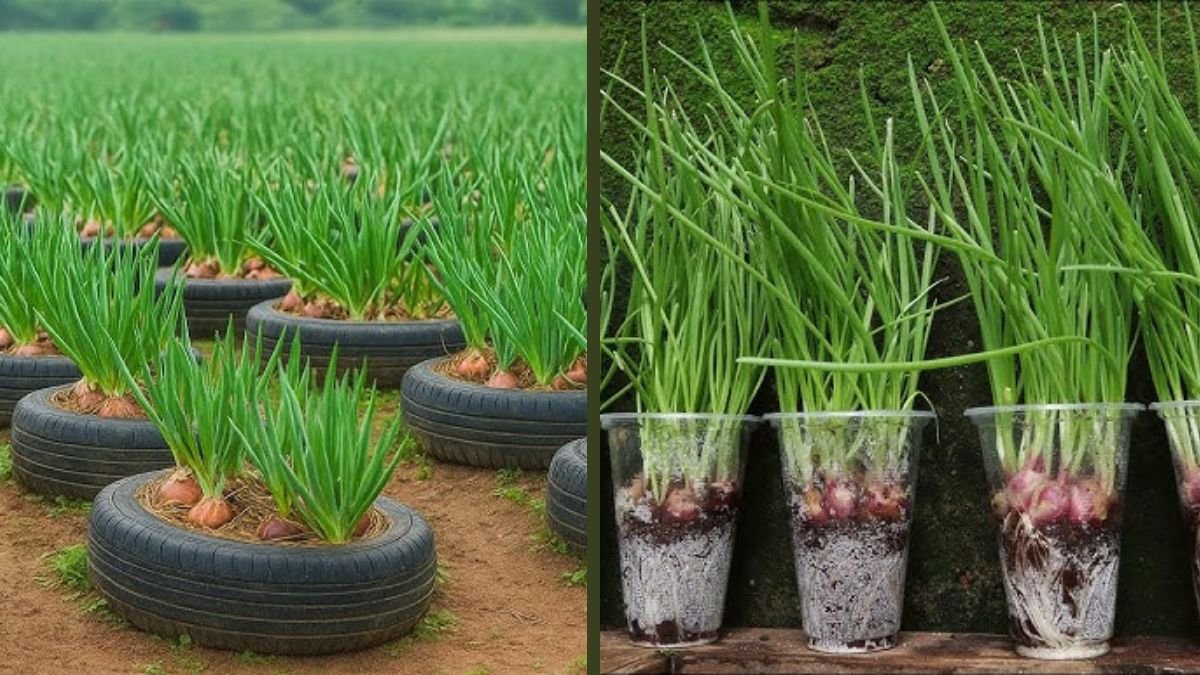
Discarded tires are often considered waste, polluting land and water. But in gardening, tires are a goldmine for container cultivation. Onions grow beautifully in used tires. This method recycles waste while providing efficient, space-saving cultivation. Tires retain warmth, improving growth. Their circular structure supports vertical stacking. Onion roots benefit from aeration and drainage. This technique is perfect for home gardens and small-scale farming. In this article, we explain step-by-step how to grow onions in old tires.
Why Tires Are Ideal Containers for Onions
Tires are sturdy and durable. They retain soil moisture while allowing excess drainage. Black rubber absorbs heat, promoting faster growth. The round shape supports root expansion. Tires can be stacked to save space. Reusing tires reduces environmental pollution. They require no replacement for multiple seasons. Low-cost option for home gardeners. Provides controlled growing environment.
Preparing Old Tires for Onion Cultivation
Clean tires thoroughly to remove dirt and residues. Drill small drainage holes at the bottom. Use mild soap or natural cleaning agent. Rinse well to avoid chemical residues. Dry in shade. Avoid cracked or damaged tires. Stack on flat surface. Proper preparation ensures plant health. Safety is essential.
Soil Requirements for Onion Growth
Use loose, well-draining soil. Mix garden soil with compost and vermicompost. Add sand for aeration. Organic soil enhances nutrition. Avoid heavy clay soil. Layer soil in tire carefully. Maintain uniform depth. This promotes even growth. Healthy soil ensures high yield.

Onion Varieties Suitable for Tires
Small to medium bulb varieties work best. Popular choices include Red Creole, White Lisbon, and Bombay Red. Choose disease-resistant varieties. Select organic seeds for quality produce. Ensure high germination potential. Variety affects taste and yield. Proper selection ensures success. Adapted to local climate.
Latest Posts
- A Comprehensive Guide to Successfully Growing Grape Vines in Your Backyard for Beginners and Experts Alike
- Best Tips for Successful Mango Growth in Containers
- Discover the Simple Steps for Successfully Growing Coriander in a Pot
- Discovering the Ultimate Guide to Growing African Violets from Leaf Cuttings
- Simple Techniques for Successfully Growing Seedless Grapes in Home Gardens
- Ultimate Guide to Growing Balsam Plants Naturally for Vibrant Blooms
- Discover the Secrets to Growing Lush Leek Leaves with Simple Hacks for Beginners
- How to Successfully Cultivate Sweet Cherries in the Unique Climate of Canada
- The Ultimate Guide to Successfully Growing Beautiful Succulent Garden Plants at Home
- A Comprehensive Guide to Growing Dhania from Seeds for Beginners
Planting Onion Bulbs or Sets
Plant bulbs 2-3 inches apart. Depth should match bulb size. Avoid overcrowding. Place pointed end upward. Water lightly after planting. Space allows airflow. Uniform planting ensures healthy onions. Label varieties for tracking.
Layering Multiple Tires for Vertical Gardening
Stack tires for vertical onion beds. Fill each tire with soil. Plant bulbs in each layer. Supports space-saving design. Easy to harvest from top layers. Vertical tires improve sun exposure. Efficient for small gardens. Decorative and functional.
Watering and Moisture Management
Water moderately. Tires retain moisture naturally. Avoid waterlogging. Drip irrigation or hand watering works best. Soil should remain slightly moist. Proper moisture prevents bulb rot. Consistent watering improves flavor. Reduce watering before harvest.

Nutrient Management for Onion Tires
Use organic fertilizers monthly. Compost tea promotes growth. Balanced NPK fertilizers help if needed. Avoid excessive nitrogen. Mulch surface to retain moisture. Add micronutrients like zinc and iron. Healthy nutrition improves bulb size. Avoid chemical overload.
Sunlight and Location
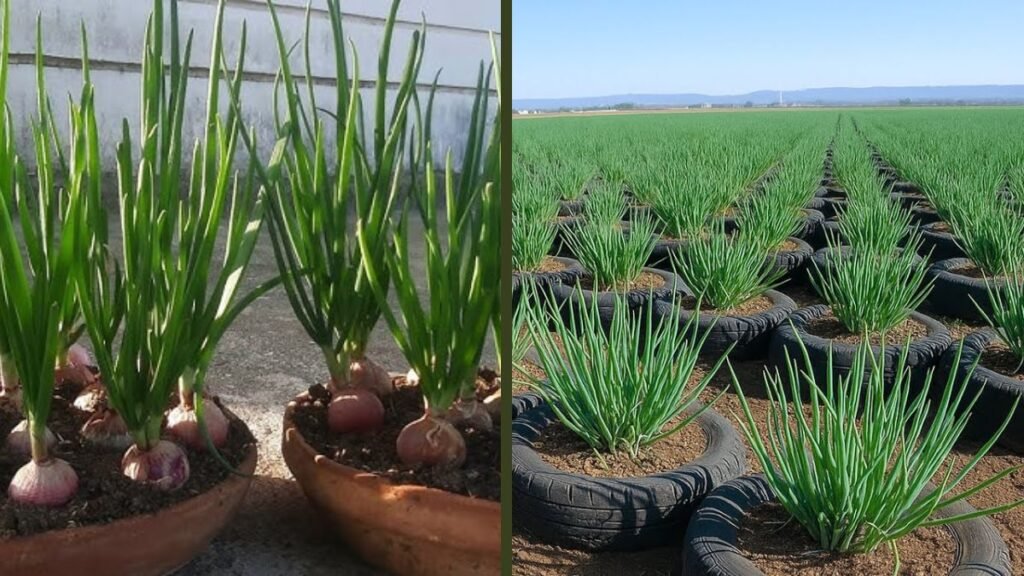
Onions require full sunlight. Place tire garden in 6-8 hours sunlight. Avoid shaded areas. Stack tires for sunlight exposure. Rotate tires if necessary. Ensure airflow between stacks. Sunlight improves growth and flavor. Proper placement is key.
Pest Management in Tires
Tires may attract insects. Aphids and thrips are common. Neem oil or garlic spray works effectively. Monitor daily. Remove affected leaves. Beneficial insects help naturally. Keep surrounding area clean. Minimal chemical use is preferred.
Harvesting Onion Bulbs
Harvest after leaves yellow and dry. Loosen soil gently. Remove bulbs carefully. Cure bulbs in shade for two weeks. Avoid stacking wet bulbs. Proper harvest increases shelf life. Mature bulbs are larger and sweeter. Avoid premature harvesting.

Storage of Onion Harvest
Store in dry, ventilated area. Avoid plastic bags. Hanging mesh or baskets work well. Proper storage prevents rot. Onion bulbs can last months. Label varieties. Keep temperature moderate. Storage preserves nutrition.
Advantages of Growing Onions in Tires
Reuses waste tires. Saves space via vertical stacking. Improves drainage and aeration. Reduces soil compaction. Easy harvesting and maintenance. Protects from pests and ground moisture. Cost-effective solution. Suitable for urban gardens.
Comparison Table: Traditional vs Tire Onion Gardening
| Factor | Traditional Field Cultivation | Tire Gardening |
|---|---|---|
| Space | Large | Small/Vertical |
| Water Usage | High | Moderate |
| Soil Requirement | Heavy & fertile | Loose & organic |
| Pest Exposure | High | Reduced |
| Ease of Harvest | Moderate | Easy |
| Cost | Moderate | Low (reuse tires) |
| Maintenance | High | Low |
| Flexibility | Low | Stackable & movable |
Environmental Benefits
Reusing old tires prevents landfill pollution. Reduces plastic and chemical container usage. Promotes urban organic farming. Efficient use of space. Conserves water and soil. Supports sustainable gardening. Encourages circular economy. Eco-friendly method.
Urban Gardening Opportunities
Tires fit balconies, terraces, and small backyards. Vertical stacking saves space. Easy for apartment gardeners. Encourages self-grown produce. Minimal tools needed. Promotes home-based food security. Urban farmers benefit. Compact design is practical.

Economic Advantages
Tire gardens reduce cost of pots and beds. Saves money on fertilizers via organic soil. Reused tires are free. Improves onion yield. High-quality onions fetch better market prices. Supports small business opportunities. Cost-effective for startups. Budget-friendly approach.
Common Mistakes to Avoid
Do not use untreated tires with chemicals. Avoid waterlogging. Do not overcrowd bulbs. Avoid shaded placement. Clean tires thoroughly. Monitor pests regularly. Avoid compacted soil. Follow simple precautions.
Long-Term Maintenance of Tire Gardens
Stacked tires last several seasons. Clean and rotate annually. Replace soil if degraded. Monitor drainage holes. Protect from extreme weather. Reuse tires wisely. Mulch between seasons. Minimal effort sustains productivity.
Conclusion
Old tires are no longer waste but an innovative gardening tool. Onions grow efficiently, saving space, water, and cost. Vertical tire gardening combines sustainability, ease, and high yield. Urban and rural gardeners benefit alike. This method supports environmental and economic goals. Start repurposing tires today and enjoy abundant onion harvests.