Paragraph 1: Introduction to Peanut Gardening in Plastic Bottles
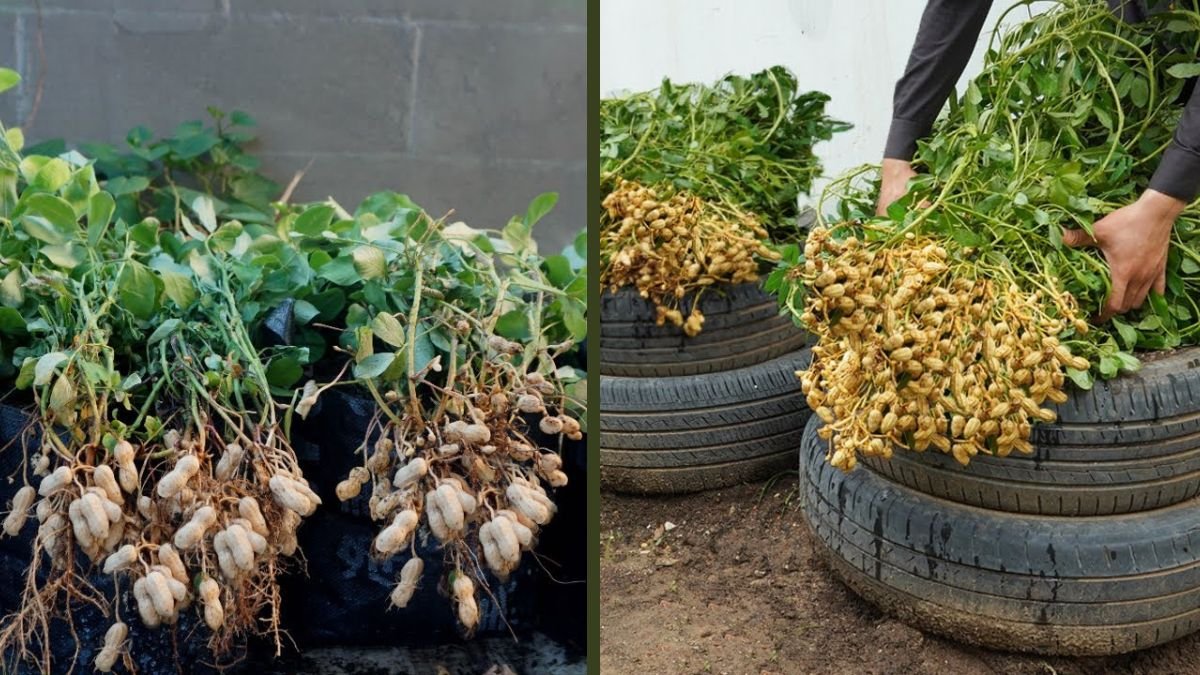
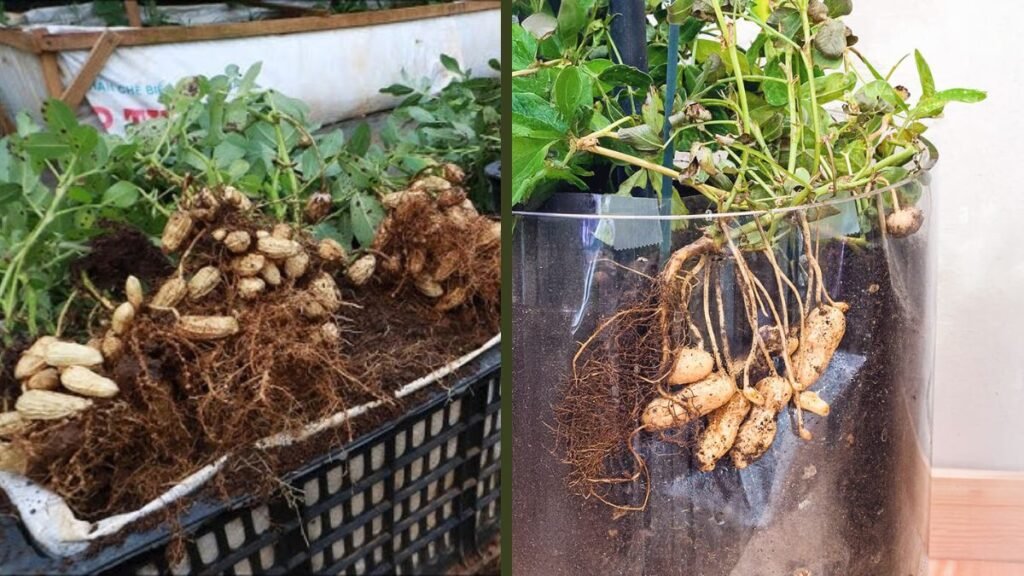
Peanuts, also called groundnuts, are nutritious legumes that grow underground. Many people do not realize that peanuts can be grown in recycled plastic bottles. This method is ideal for small spaces and balcony gardening. Using plastic bottles reduces household waste and promotes eco-friendly gardening. Peanuts require loose soil to form pods underground, which plastic bottles can provide. This DIY technique is simple and beginner-friendly. It allows observation of root and pod development. Growing peanuts at home guarantees fresh, chemical-free produce.
Paragraph 2: Benefits of Growing Peanuts at Home
Home-grown peanuts are fresh, healthy, and free from harmful pesticides. They provide protein and essential nutrients. Growing peanuts saves money and reduces grocery dependency. Observing their underground growth is educational. Peanuts are hardy and low-maintenance. Small space gardening makes them ideal for urban homes. Plastic bottles serve as perfect mini planters. Sustainable gardening improves mental well-being.
Paragraph 3: Why Use Plastic Bottles
Plastic bottles are lightweight, portable, and readily available. They can be cut and prepared for planting easily. Drainage holes prevent waterlogging. Bottles allow root observation through transparent sides. Using bottles reduces environmental plastic waste. It’s an affordable alternative to pots. Multiple bottles can be stacked or hung. Reusing bottles promotes creative gardening.
Paragraph 4: Materials Needed for Peanut Bottle Gardening
You need plastic bottles, peanuts with shells, potting soil, compost, water, and a knife or scissors. Optional items include sticks to support plants. All materials are low-cost and accessible. Preparing bottles in advance saves time. Simple tools ensure safety. Proper material preparation makes planting easier.

Paragraph 5: Preparing the Plastic Bottles
Cut the bottles horizontally or leave them vertical. Make small drainage holes at the bottom. Rinse thoroughly to remove residue. Place stones at the base to prevent clogging. Fill with a mix of garden soil and compost. Leave a few inches from the top. Proper preparation ensures healthy root growth. Bottles can last multiple planting cycles.
Latest Posts
- A Comprehensive Guide to Successfully Growing Grape Vines in Your Backyard for Beginners and Experts Alike
- Best Tips for Successful Mango Growth in Containers
- Discover the Simple Steps for Successfully Growing Coriander in a Pot
- Discovering the Ultimate Guide to Growing African Violets from Leaf Cuttings
- Simple Techniques for Successfully Growing Seedless Grapes in Home Gardens
- Ultimate Guide to Growing Balsam Plants Naturally for Vibrant Blooms
- Discover the Secrets to Growing Lush Leek Leaves with Simple Hacks for Beginners
- How to Successfully Cultivate Sweet Cherries in the Unique Climate of Canada
- The Ultimate Guide to Successfully Growing Beautiful Succulent Garden Plants at Home
- A Comprehensive Guide to Growing Dhania from Seeds for Beginners
Paragraph 6: Selecting Peanuts for Planting
Use raw peanuts with shells intact. Avoid roasted or treated peanuts. Choose firm, healthy peanuts with no mold. Fresh peanuts sprout faster and yield better. Peanut quality affects overall harvest. Organic peanuts are preferable. Proper selection improves success. Healthy peanuts produce more pods.
Paragraph 7: Pre-Soaking Peanuts
Soak peanuts in water for 4 to 6 hours before planting. This softens the shell and encourages sprouting. Avoid over-soaking as it may rot. Pre-soaking ensures uniform growth. Healthy sprouting peanuts establish quickly. This step improves success rates. Easy preparation guarantees faster results.
Paragraph 8: Planting Peanuts in Bottles
Place peanuts 1-2 inches deep in soil. Cover gently with soil. Space multiple peanuts evenly if the bottle is large. Water lightly after planting. Avoid pressing soil too tightly. Proper planting ensures pod development underground. Correct depth is essential for peanut growth. Handle carefully to avoid damaging seeds.
Paragraph 9: Watering Needs
Peanuts require moderate moisture. Water regularly but avoid waterlogging. Soil should be moist, not soggy. Water early in the day to prevent fungal growth. Plastic bottles drain water efficiently. Balanced moisture ensures pods develop properly. Too much water causes root rot. Consistency is key.
Paragraph 10: Sunlight Requirements
Peanuts need at least six hours of sunlight daily. Place bottles in a sunny balcony or terrace. Partial shade is tolerable but slows growth. Rotate bottles for uniform sunlight exposure. Proper light encourages flowering and pod formation. Sunlight is crucial for healthy plant growth. Adequate light reduces disease risk.
Paragraph 11: Growth Timeline
Peanuts sprout within 7-10 days. Flowering begins after 30-40 days. Pegs form and grow into soil to develop pods. Harvest is possible after 90-120 days. Growth depends on temperature and care. Healthy plants produce more pods. Patience ensures quality harvest. Observing growth is educational.
Paragraph 12: Fertilization Tips
Use organic compost or natural fertilizers. Avoid high nitrogen fertilizers, which encourage leaf growth over pods. Fertilize once every two weeks. Balanced nutrition promotes healthy roots and pods. Liquid fertilizer can be applied to speed growth. Proper feeding ensures larger pods. Nutrients support flowering. Correct fertilization boosts yield.
Paragraph 13: Pest and Disease Management
Peanuts are relatively pest-resistant. Watch for aphids and fungal infections. Neem oil or mild soap solution controls pests. Remove damaged leaves promptly. Maintain soil drainage. Healthy plants resist diseases better. Preventive care is easier than treatment. Regular inspection ensures success.
Paragraph 14: Harvesting Peanuts
Harvest when leaves turn yellow and soil is dry. Pull the entire plant carefully. Shake off excess soil to reveal pods. Cure peanuts in a ventilated area for a week. Avoid direct sunlight to prevent cracking. Proper harvesting ensures high-quality nuts. Timing affects taste and storage. Handle carefully to prevent pod damage.
Paragraph 15: Reusing Plastic Bottles
After harvest, clean bottles thoroughly. Refill with fresh soil for the next planting cycle. Bottles can last multiple growing seasons. This reduces plastic waste and costs. Reuse promotes sustainable gardening. Proper maintenance extends usability. Recycling is beneficial environmentally. Creativity turns waste into productivity.
Paragraph 16: Advantages of Peanut Bottle Gardening
This method saves space, costs, and promotes eco-friendliness. Plants grow efficiently with minimal care. Bottles can be stacked or hung for vertical gardening. It suits urban and balcony spaces. Home-grown peanuts are fresh and chemical-free. Beginner-friendly and sustainable. Educational and fun. Gardening becomes productive and rewarding.
Paragraph 17: Table – Peanut Bottle Gardening Overview
Table: Key Factors for Growing Peanuts in Plastic Bottles
Factor | Recommended Practice
Container | Old plastic bottle
Planting material | Raw peanuts with shells
Soil type | Loose, well-draining mix
Watering | Moderate and consistent
Sunlight | Six hours daily
Harvest time | 90 to 120 days
Paragraph 18: Indoor vs Outdoor Bottle Gardening
Indoor bottles offer controlled light and temperature. Outdoor bottles benefit from natural sunlight. Indoor reduces pest problems. Outdoor provides larger space and air circulation. Both methods succeed with proper care. Choose based on availability. Flexibility increases yield. Environmental adaptation is key.
Paragraph 19: Teaching Kids About Gardening
Plastic bottle peanut gardening teaches sustainability and responsibility. Kids enjoy observing root and pod development. Encourages curiosity and patience. Gardening promotes healthy eating habits. Simple steps keep children engaged. Educational and entertaining. Kids learn eco-friendly practices. Gardening nurtures creativity.

Paragraph 20: Conclusion
Growing peanuts in old plastic bottles is simple, sustainable, and productive. It reuses household waste while providing fresh, nutritious food. Small spaces become functional gardens. With proper care, anyone can harvest delicious peanuts. This method is beginner-friendly and cost-effective. Sustainable gardening supports health and environment. Start today and enjoy home-grown peanuts.