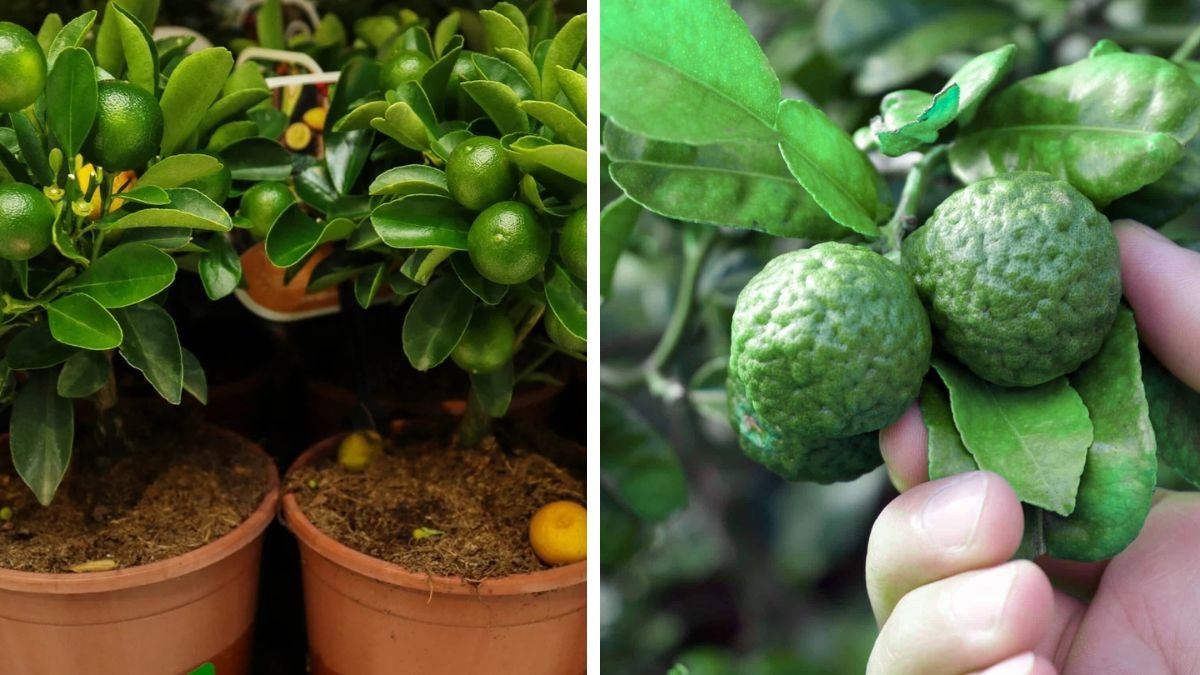
Growing a lime tree at home can be a rewarding experience. Not only do you get fresh limes year-round, but you also enjoy the fragrance of lime blossoms and the beauty of the tree itself. This article will guide you through the entire process of cultivating a lime tree, from choosing the right variety to harvesting fruit, along with tips and common problems you may encounter.
Choosing the Right Lime Tree Variety
Before you start planting, it’s important to choose the right lime tree variety that suits your preferences and local climate. Here are some popular choices:
Latest Posts
- A Comprehensive Guide to Successfully Growing Grape Vines in Your Backyard for Beginners and Experts Alike
- Best Tips for Successful Mango Growth in Containers
- Discover the Simple Steps for Successfully Growing Coriander in a Pot
- Discovering the Ultimate Guide to Growing African Violets from Leaf Cuttings
- Simple Techniques for Successfully Growing Seedless Grapes in Home Gardens
- Ultimate Guide to Growing Balsam Plants Naturally for Vibrant Blooms
- Discover the Secrets to Growing Lush Leek Leaves with Simple Hacks for Beginners
- How to Successfully Cultivate Sweet Cherries in the Unique Climate of Canada
- The Ultimate Guide to Successfully Growing Beautiful Succulent Garden Plants at Home
- A Comprehensive Guide to Growing Dhania from Seeds for Beginners
-
Persian Lime (Citrus latifolia): Often found in grocery stores, Persian limes are seedless and have a more robust flavor. They thrive in containers and gardens alike.
-
Key Lime (Citrus aurantiifolia): Known for its distinct tart flavor, key limes are smaller and often used in desserts. They require warmer climates and do not fare well in cold temperatures.
-
Kaffir Lime (Citrus hystrix): This variety is more commonly used for its aromatic leaves rather than its fruit. Its citrusy foliage is a prized ingredient in Southeast Asian cooking.
-
Sweet Lime (Citrus limettioides): These are less tart and have a sweet flavor. They’re often favored for eating fresh.
Climate Considerations
Lime trees thrive in warm, subtropical to tropical climates with well-draining soil. Ideally, you should provide a temperature range of 70°F to 100°F (21°C to 38°C) during the day and avoid temperatures lower than 50°F (10°C) at night. If you live in cooler climates, consider growing your lime tree in a pot so you can move it indoors during colder months.

Preparing for Planting
Choosing a Location
Select a sunny location that receives at least 8 hours of sunlight each day. If you’re planting in the ground, ensure that the spot is sheltered from strong winds and has good air circulation.
Soil Requirements
Lime trees prefer slightly acidic to neutral soil (pH 6-7). Use potting soil enriched with organic material or sandy loam for optimum drainage. If planting in sandy soil, consider adding compost to boost overall nutrient content.
Planting the Lime Tree
Seed vs. Seedling
You can choose to grow a lime tree from either seeds or a nursery seedling. If you’re starting from seeds, follow these steps:
-
Seed Preparation: Remove the seeds from a fresh lime, clean them, and allow them to dry for a day or two.
-
Germination: Plant the seeds approximately 1 inch deep in seed-starting soil. Water the soil lightly and cover the container with clear plastic to retain moisture. Place it in a warm area with indirect sunlight. Seeds should sprout within a few weeks.
Growing from a nursery seedling is generally easier and quicker:
-
Digging the Hole: Make a hole that is twice as wide and the same depth as the root ball of the seedling.
-
Transplanting: Remove the seedling from its pot and place it in the hole, ensuring that the root ball is level with the soil surface.
-
Backfilling: Fill the hole with soil, gently pressing down to eliminate air pockets. Water thoroughly after planting.
Container Planting
If you choose to plant your lime tree in a pot:
- Use a container that is at least 12-16 inches in diameter.
- Ensure the pot has drainage holes to prevent waterlogging.
- Follow the same planting instructions as for ground planting.
Caring for Your Lime Tree
Watering
Lime trees require consistent watering, especially during dry spells. Keep the soil moist but avoid overwatering, as this can lead to root rot. It is usually advisable to water the tree every 5-7 days.
Fertilization
Use a balanced fertilizer every 6-8 weeks during the growing season (spring through early fall). A fertilizer high in potassium and magnesium is ideal for citrus plants. You can also use organic fertilizers, such as compost or well-rotted manure.
Pruning
Prune your lime tree to promote air circulation and remove any dead, damaged, or overcrowded branches. Light pruning can encourage bushier growth and better fruit production.
Pest Control
Common pests that can affect lime trees include aphids, spider mites, and whiteflies. Regularly inspect your tree and use insecticidal soap or neem oil to manage infestations. Additionally, maintaining healthy growing conditions can reduce pest problems.
Pollination
Lime trees are self-pollinating, but they benefit from the presence of bees and other pollinators. If your tree is indoors, gently shake the branches during flowering to assist in pollination.
Harvesting Limes
Your lime tree typically starts producing fruit within 3-4 years of planting. The fruits should be harvested when they’ve reached their full size and turned a vibrant green color. They should feel slightly firm but not hard to the touch.
To harvest, cut the limes off using pruning shears to avoid damaging the tree. Fresh limes can be stored at room temperature for a week or in the refrigerator for up to a month.
Troubleshooting Common Issues

Yellow Leaves
If the leaves of your lime tree turn yellow, this could indicate nutrient deficiencies, overwatering, or disease. Assess your watering habits and consider supplementing fertilizers.
Fruit Drop
If your tree is dropping fruits, this can be due to environmental stress (such as temperature fluctuations), lack of water, or too much nitrogen fertilizer. Ensure the tree is receiving consistent care and adjust its environment as needed.
Pests and Diseases
Watch for signs of pests (like yellowing leaves or webbing). Fungal diseases can also affect citrus trees, especially in humid conditions. To prevent these, ensure proper air circulation and avoid wetting the foliage during watering.
Frequently Asked Questions (FAQs)
1. How much sunlight does a lime tree need?
Lime trees require at least 8 hours of direct sunlight each day for optimal growth and fruit production.
2. Can I grow a lime tree indoors?
Yes, lime trees can be grown indoors, but ensure they receive ample sunlight. You may need to use grow lights during the winter months.
3. How often should I water my lime tree?
Water your lime tree every 5-7 days, depending on the climate and soil moisture levels. Always aim for moist, but not soggy, soil.

4. When should I fertilize my lime tree?
Fertilize every 6-8 weeks during the growing season (spring to early fall) with a balanced fertilizer specifically designed for citrus.
5. Why are my limes not turning green?
If limes don’t turn green, it might be due to temperature stress or inadequate sunlight. Ensure your tree is in a warm, sunny spot.
6. How do I know when to harvest my limes?
Harvest limes when they are fully sized and feel slightly firm to the touch. The color should be a vibrant green.
7. Can I grow a lime tree from a cutting?
Yes, lime trees can be propagated from cuttings. Use healthy, disease-free branches and root them in soil or water.
Conclusion
Growing a lime tree at home can be a fulfilling endeavor. With the right care and attention, you can enjoy a steady supply of fresh limes year-round. By choosing the appropriate variety, providing optimal growing conditions, and staying attentive to your tree’s needs, you’ll be well on your way to successful lime cultivation. So start planting, and soon enough, you’ll be harvesting your own delicious limes!