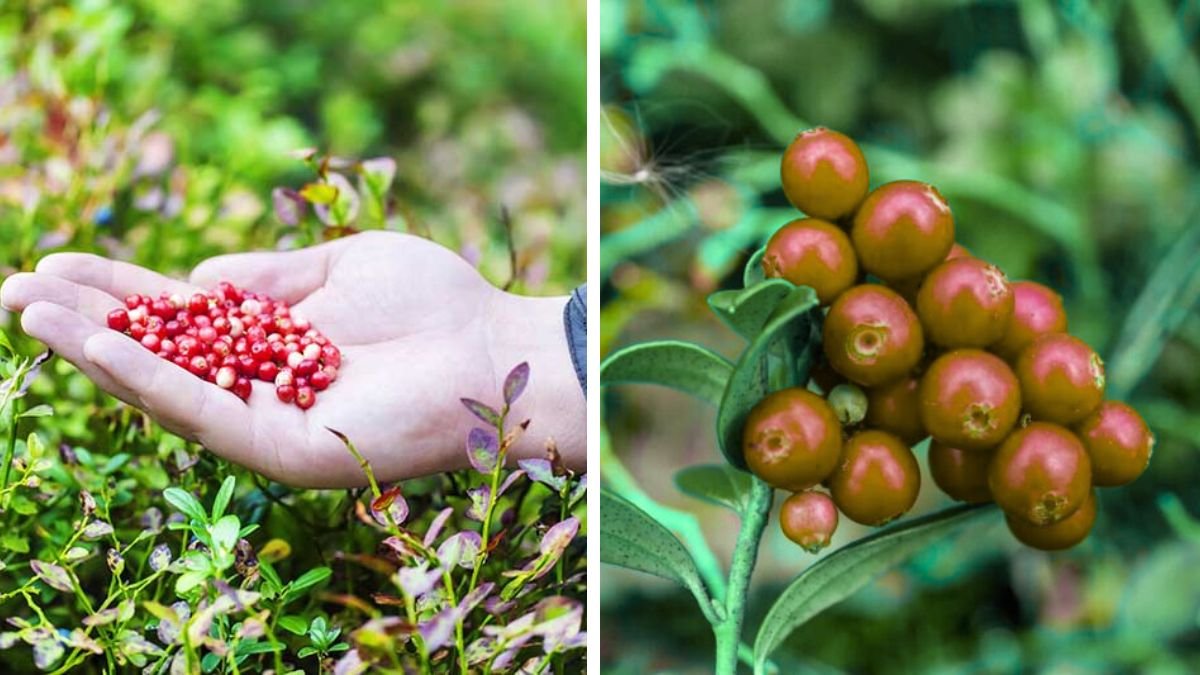
Cranberries are not just a delicious snack or a staple for holiday dishes; they are also fascinating plants that can be grown at home. While they may seem like a challenging crop to cultivate, beginners can successfully grow cranberries by understanding their specific needs and adhering to proper care techniques. This guide will take you through the essentials of growing cranberry plants in your home garden, from selecting the right variety to harvesting your fruit.
Understanding Cranberries
Cranberries (Vaccinium macrocarpon) are perennial plants that thrive in cooler climates. They are generally found in wetlands or bogs, making them somewhat unique compared to other fruit-bearing plants that love drier soil types. Their stunning red color, tart flavor, and high antioxidant content make them a popular choice for both culinary uses and health benefits.
Latest Posts
- A Comprehensive Guide to Successfully Growing Grape Vines in Your Backyard for Beginners and Experts Alike
- Best Tips for Successful Mango Growth in Containers
- Discover the Simple Steps for Successfully Growing Coriander in a Pot
- Discovering the Ultimate Guide to Growing African Violets from Leaf Cuttings
- Simple Techniques for Successfully Growing Seedless Grapes in Home Gardens
- Ultimate Guide to Growing Balsam Plants Naturally for Vibrant Blooms
- Discover the Secrets to Growing Lush Leek Leaves with Simple Hacks for Beginners
- How to Successfully Cultivate Sweet Cherries in the Unique Climate of Canada
- The Ultimate Guide to Successfully Growing Beautiful Succulent Garden Plants at Home
- A Comprehensive Guide to Growing Dhania from Seeds for Beginners
Choosing the Right Cranberry Variety
Before diving into planting, it’s crucial to select the right cranberry variety for your home garden. Here are some popular types:
-
Early Black: This variety produces large, late-season berries, perfect for sauces.
-
Howes: A widely-grown variety that thrives in most climates, it’s known for its larger berries.
-
Ben Lear: A variety known for its adaptability and resistance to disease, making it great for beginners.
-
Searles: This is excellent for small spaces, producing smaller but sweeter cranberries.
Each variety has its unique flavor and growth habits. Choose one that fits your local climate and your preferences for taste and usage.
Preparing the Soil
Cranberries thrive in acidic, well-draining soil with a pH between 4.0 and 5.5. Here’s how to prepare your planting area:

-
Test Your Soil: Purchase a soil testing kit from a gardening store to measure pH. If your soil is alkaline, you can amend it with elemental sulfur to lower the pH.
-
Improve Drainage: If your soil retains too much water, consider adding sand or peat moss to improve drainage.
-
Add Organic Matter: Incorporate aged compost to provide nutrients and help retain moisture while keeping the soil aerated.
Choosing a Planting Location
When choosing a location for your cranberry plants, consider the following factors:
-
Sunlight: Cranberries require at least 6 hours of direct sunlight per day. A spot that gets morning sun but is shaded from the hot afternoon sun is ideal.
-
Drainage: If possible, plant cranberries in an area that has some natural slope to help with drainage.
-
Protection from Wind: Establish some windbreaks if your garden is exposed to strong winds, as they can damage the delicate cranberry blossoms.
Planting Cranberries
Once you have prepared your soil and chosen the ideal location, it’s time to plant your cranberry bushes. Here’s a step-by-step guide:
-
Timing: The best time to plant cranberries is in early spring after the last frost.
-
Spacing: Space your plants 18-24 inches apart if you’re planting multiple bushes.
-
Planting: Dig a hole slightly larger than the root ball of the plant. Place the cranberry plant in the hole, ensuring that the top of the root ball is level with the soil surface. Fill the hole with soil and water thoroughly.
Watering Requirements
Cranberry plants have specific water needs that must be met for healthy growth. Here’s how to manage that:
-
Moisture Levels: Cranberries love moisture but don’t want to sit in water. Water your plants regularly, especially during dry spells, ensuring the soil remains consistently moist but well-drained.
-
Hoses or Drip Irrigation: Use a soaker hose or drip irrigation system to deliver a consistent moisture level without drowning the plants.
Mulching
Mulching is crucial for cranberry plants as it helps retain moisture, suppress weeds, and provide additional nutrients.
-
Material: Opt for organic materials like pine needles, shredded leaves, or straw.
-
Depth: Apply a mulch layer of about 2-3 inches, but ensure that it doesn’t touch the stem of the plant to avoid rot.
Fertilizing
Although cranberries aren’t heavy feeders, they still benefit from periodic fertilization. Here’s how to nourish your plants:
-
Type of Fertilizer: Opt for an acid-specific fertilizer, such as those formulated for blueberries or other acid-loving plants.
-
Timing: Apply fertilizer during the early spring as the plants emerge from dormancy.
-
Frequency: Fertilizing twice a year (spring and late summer) is generally sufficient.
Pruning and Training
Regular pruning not only keeps your cranberry plants healthy but also encourages better fruit production.
-
When to Prune: The best time to prune is in late winter or early spring before new growth begins.
-
How to Prune: Remove dead or damaged canes and thin out crowded branches to allow better air circulation and sunlight penetration.
Pest and Disease Management
While cranberry plants are generally disease-resistant, they can experience issues with pests like cranberry fruitworm or fungal diseases. Here’s how to manage these threats:
-
Inspect Regularly: Check your plants frequently for signs of pests or diseases.
-
Use Organic Pesticides: If you notice a pest problem, consider using organic solutions like neem oil or insecticidal soap.

Harvesting Cranberries
The moment you’ve been waiting for—harvesting your cranberries! Here’s how:
-
Timing: Cranberries are usually ready for harvest in late September to early October when they turn a deep red color.
-
Method: You can pick cranberries by hand, or if you have a larger patch, consider using a rake specifically designed for cranberries to simplify the process.
-
Storage: Fresh cranberries can be stored in the refrigerator for several weeks. You can also freeze them or make preserves for longer shelf life.
FAQs
1. Can I grow cranberries indoors?
While it’s technically possible to grow cranberries in containers indoors, they require specific conditions (sunlight, humidity, and soil types) that can be difficult to replicate inside. It’s best to grow them outdoors if your climate permits.
2. How long does it take for cranberries to produce fruit?
Cranberry plants typically take about 2-3 years to start producing a decent harvest. Patience is key!
3. Do cranberries require a lot of water?

Yes, cranberries need consistently moist soil. However, it shouldn’t be soggy or waterlogged, as this can lead to root rot.
4. What can I plant alongside cranberries?
Companion plants that thrive in similar conditions, such as blueberries, can work well alongside cranberries, but avoid planting any plants that prefer drier soil.
5. Are cranberries self-pollinating?
Yes, cranberry plants are self-pollinating, but planting multiple varieties can improve the yield through cross-pollination.
6. What if my cranberries are not turning red?
If your cranberry plants aren’t turning red, they may need more sunlight or may have been harvested too early. Ensure you’re keeping the plants well-watered and healthy.
7. Can I use regular fertilizer for cranberries?
No, cranberries prefer acidic fertilizers, typically formulated for acid-loving plants like blueberries. Regular fertilizers can raise the soil pH, making it unsuitable for cranberries.
8. Can I grow cranberries in pots?
While it’s possible, growing cranberries in pots can be challenging due to their specific soil and water needs. Choose a large pot and ensure it has excellent drainage.
Conclusion
Growing cranberry plants at home can be a rewarding venture, providing delicious, nutritious fruit while also serving as an appealing addition to your garden. By understanding the unique needs of cranberry plants and following the guidelines outlined in this article, beginners can successfully cultivate their cranberries and enjoy the fruits of their labor. Whether you choose to make homemade sauces, jams, or simply enjoy them fresh, homegrown cranberries will undoubtedly enhance your culinary experience!