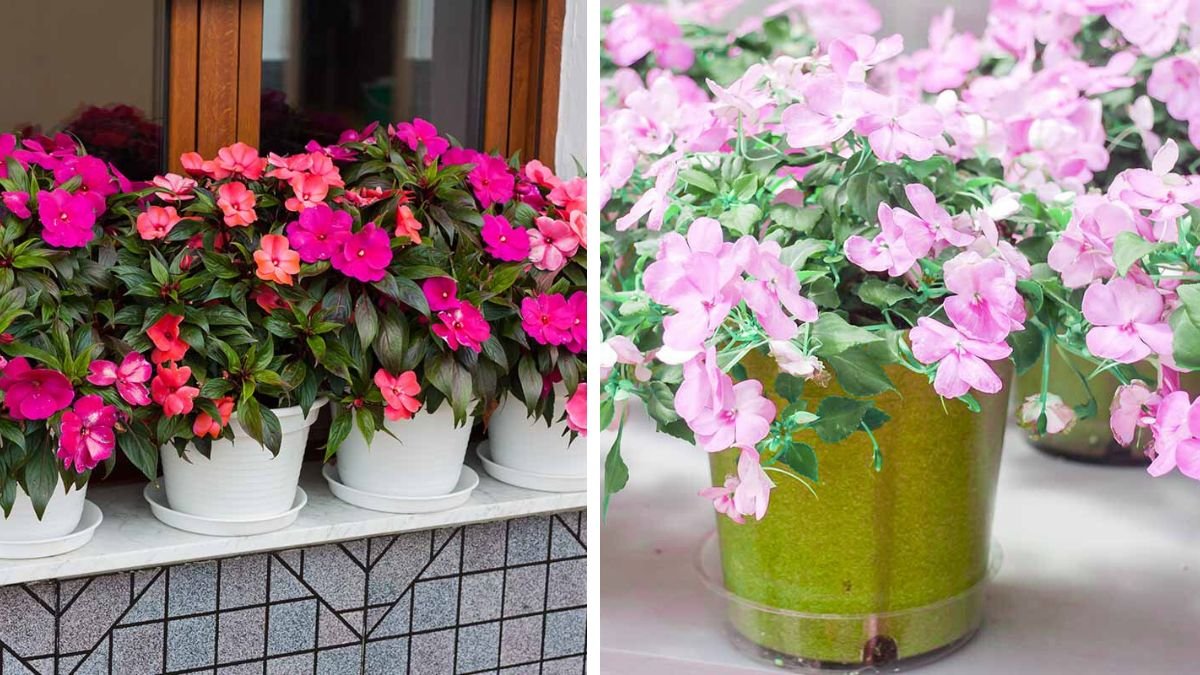
Impatiens, with their vibrant blooms and lush foliage, are a favorite among gardeners. Whether you’re a novice or an experienced horticulturist, cultivating impatiens can be a rewarding experience. This guide will delve into the essentials of growing impatiens effortlessly at home.
Why Choose Impatiens?
Impatiens are widely loved for several reasons:
Latest Posts
- A Comprehensive Guide to Successfully Growing Grape Vines in Your Backyard for Beginners and Experts Alike
- Best Tips for Successful Mango Growth in Containers
- Discover the Simple Steps for Successfully Growing Coriander in a Pot
- Discovering the Ultimate Guide to Growing African Violets from Leaf Cuttings
- Simple Techniques for Successfully Growing Seedless Grapes in Home Gardens
- Ultimate Guide to Growing Balsam Plants Naturally for Vibrant Blooms
- Discover the Secrets to Growing Lush Leek Leaves with Simple Hacks for Beginners
- How to Successfully Cultivate Sweet Cherries in the Unique Climate of Canada
- The Ultimate Guide to Successfully Growing Beautiful Succulent Garden Plants at Home
- A Comprehensive Guide to Growing Dhania from Seeds for Beginners
- Vibrant Colors: They bloom in a variety of colors, including pink, red, purple, white, and orange.
- Shade Tolerance: They thrive in shady conditions, making them ideal for dimly lit gardens or patios.
- Continuous Blooming: Impatiens produce blooms from spring to fall, providing a long-lasting display.
Types of Impatiens
Before you start planting, it’s essential to know the varieties of impatiens available:
-
Garden Impatiens (Impatiens walleriana): The most common type, known for their bright flowers and bushy growth.
-
New Guinea Impatiens: These have larger flowers and can tolerate sun conditions better than their garden counterparts.
-
SunPatiens: Another sun-tolerant variety, they have a more robust growth and are resistant to downy mildew.
-
Trailing Impatiens: Ideal for hanging baskets, they create a beautiful cascading effect.

Preparing to Grow Impatiens
Selecting the Right Location
Impatiens prefer partially shaded areas, particularly in warmer climates. However, the New Guinea and SunPatiens varieties can handle full sun conditions. Choose a location that provides morning sunlight and afternoon shade for optimum growth.
Soil Requirements
Impatiens thrive in well-draining, rich, and slightly acidic soil. Here’s how to prepare your soil:
- Testing pH: Aim for a soil pH between 5.8 to 6.2. You can test your soil’s pH using a simple kit from a garden center.
- Enriching Soil: Mix organic matter such as compost or peat moss into the soil. This enhances drainage and provides essential nutrients.
Container vs. Ground Planting
You can grow impatiens in ground beds or containers. If opting for containers, ensure they have drainage holes to prevent waterlogging.
Planting Impatiens

When to Plant
The ideal planting time for impatiens is after the frost has passed, typically in late spring. This ensures warmer soil for better root establishment.
Planting Process
-
Spacing: Plant impatiens about 8 to 12 inches apart, allowing adequate airflow and room for growth.
-
Depth: When planting seedlings, dig a hole slightly larger than the root ball, place the plant in, and cover up to the soil line.
-
Watering: Water the plants thoroughly after planting to ensure the soil is moist.
Care and Maintenance
Watering
Keep the soil consistently moist but not soggy. Water your impatiens regularly, especially during dry spells. A general rule is to check the soil moisture about 1–2 inches below the surface.
Fertilizing
Use a balanced, water-soluble fertilizer every 4-6 weeks during the growing season. A 20-20-20 fertilizer works well for impatiens. Ensure you dilute the fertilizer to half strength to avoid burning the roots.

Pruning
Prune back any leggy growth to encourage bushier plants. Deadheading, or removing spent flowers, will also promote further blooming throughout the season.
Pest and Disease Management
Impatiens can be susceptible to pests like aphids, spider mites, and whiteflies. Regularly inspect your plants for any signs of infestation.
- Organic Pest Control: Use insecticidal soap or neem oil to treat infestations.
- Preventing Disease: Good air circulation and avoiding overhead watering can help prevent fungal diseases like downy mildew.
Seasonal Considerations
Winter Care
Impatiens are not frost-tolerant, so they will need protection as temperatures drop. If in containers, move them indoors to a sunny window, or cover beds with mulch for insulation.
Overwintering
For those wanting to keep their impatiens for the next year, take cuttings and root them in water or soil to grow new plants indoors during winter.
Creating Stunning Displays
Grouping

Planting different colors together can create a stunning visual impact. Use contrasting colors to make the display pop.
Companion Planting
Consider pairing impatiens with other shade-loving plants such as ferns, hostas, or coleus for a lush garden display.
Growing Impatiens from Seed
While impatiens are often bought as seedlings, you can grow them from seeds:
- Starting Indoors: Start seeds indoors about 10-12 weeks before the last frost.
- Medium: Use a seed-starting mix and keep the soil lightly moist.
- Transplanting: Once seedlings have a couple of sets of true leaves, transplant them to larger containers before moving them outdoors.
FAQs
1. How do I know if my impatiens are getting too much or too little water?
Answer: Yellowing leaves and wilting can indicate both overwatering and underwatering. Check the soil moisture; if it’s dry about an inch down, they need more water. If the soil is soggy, reduce watering.
2. Can impatiens survive in full sunlight?
Answer: Traditional garden impatiens prefer partial shade, but New Guinea and SunPatiens can tolerate full sun. Ensure they are watered adequately if they are in direct sunlight.

3. What should I do if my impatiens are getting leggy?
Answer: Leggy growth indicates insufficient light. Trim back the leggy stems to encourage a bushier growth. Consider relocating them to a spot with more light if possible.
4. Are impatiens resistant to deer and rabbits?
Answer: Impatiens are generally not favored by deer and rabbits, but they may nibble on them if food is scarce. Using repellents or physical barriers can further deter these creatures.
5. How often do I need to fertilize my impatiens?
Answer: Fertilize them every 4-6 weeks with a balanced water-soluble fertilizer during the growing season for optimal growth and blooms.
6. Can I use the same impatiens in multiple seasons?
Answer: Impatiens are usually grown as annuals. However, you can keep them indoors over the winter or take cuttings to propagate them for the next growing season.
Conclusion
Growing impatiens can be an enriching experience, providing beautiful color and vibrancy to your garden or indoor space. With the right care and attention, you can cultivate these resilient plants effortlessly at home. Whether you’re looking to create a stunning floral display or simply want to enjoy the beauty of impatiens year-round, following the tips outlined in this guide will lead you to gardening success.