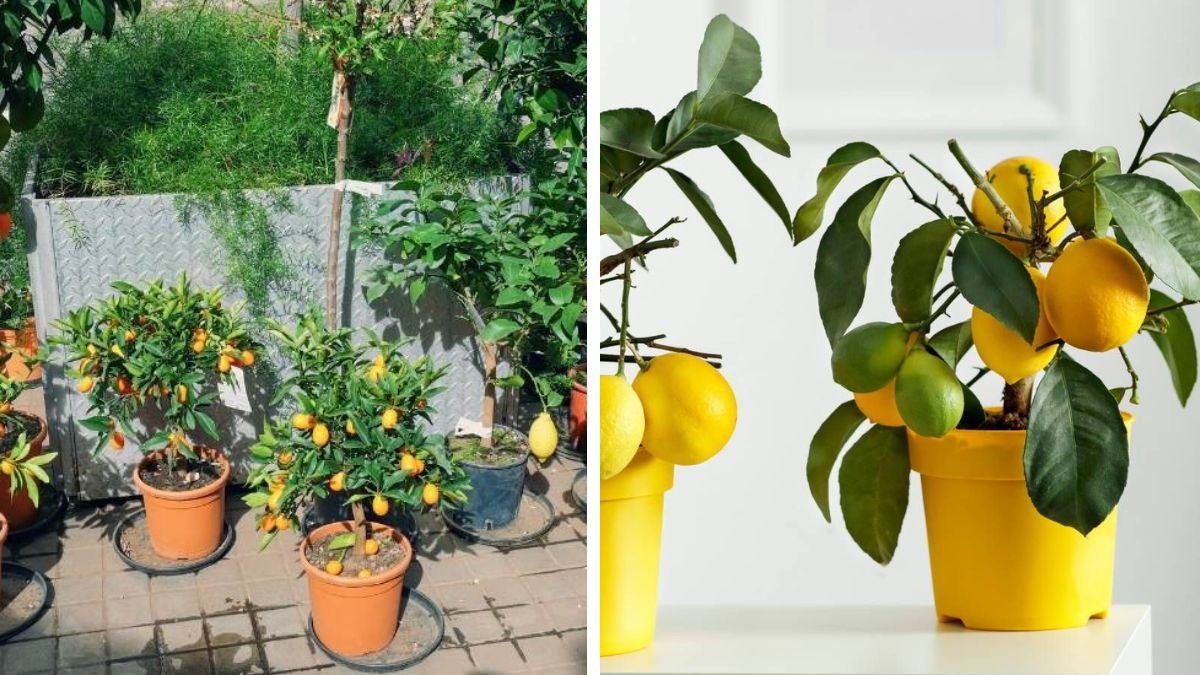
Growing lemon trees in pots is an exciting hobby that can yield delicious, fresh fruit right at your fingertips. For beginners, the process may seem daunting, but with the right knowledge about soil, light, and water needs, you can cultivate a healthy lemon plant in no time. This article demystifies lemon tree cultivation, offering practical hacks and tips to ensure success.
Why Grow Lemons in Pots?
- A Comprehensive Guide to Successfully Growing Grape Vines in Your Backyard for Beginners and Experts Alike
- Best Tips for Successful Mango Growth in Containers
- Discover the Simple Steps for Successfully Growing Coriander in a Pot
- Discovering the Ultimate Guide to Growing African Violets from Leaf Cuttings
- Simple Techniques for Successfully Growing Seedless Grapes in Home Gardens
- Ultimate Guide to Growing Balsam Plants Naturally for Vibrant Blooms
- Discover the Secrets to Growing Lush Leek Leaves with Simple Hacks for Beginners
- How to Successfully Cultivate Sweet Cherries in the Unique Climate of Canada
- The Ultimate Guide to Successfully Growing Beautiful Succulent Garden Plants at Home
- A Comprehensive Guide to Growing Dhania from Seeds for Beginners
- Space Efficiency: Container gardening allows you to grow fruit trees even if you have limited outdoor space such as balconies or small yards.
- Mobility: Pots can be moved to optimize sunlight exposure or protect plants from harsh weather.
- Controlled Environment: You can control soil quality and water intake better in pots than in soil gardens, which helps prevent root diseases.
Latest Posts
Choosing the Right Lemon Variety
Beginners should consider dwarf lemon varieties, which are more suitable for container gardening. Some popular choices include:
- Improved Meyer Lemon: A hybrid variety that’s sweeter and usually more resistant to diseases.
- Ponderosa Lemon: Known for its large fruits; however, it’s not a true dwarf and may require more space.
Pot Size
Select a pot that’s at least 12-16 inches in diameter for younger trees, eventually opting for a larger pot (18-24 inches) as your lemon tree matures. Make sure the pot has drainage holes to prevent waterlogging.
Understanding Soil Needs
Soil Type
Lemon trees thrive in well-draining soils. Here are some suitable options:

- Citrus Potting Mix: Pre-packaged mixes designed for citrus trees can provide essential nutrients and excellent drainage.
- DIY Potting Mix: Create your own by mixing equal parts of:
- Potting soil
- Perlite or sand (for drainage)
- Organic compost (for nutrients)
pH Level
Lemon trees prefer a slightly acidic to neutral soil pH (between 5.5 and 6.5). You can test your soil’s pH with home testing kits available at garden centers.
Nutrient Requirements
Incorporate slow-release fertilizers in your potting mix. A balanced fertilizer (like 10-10-10 NPK) is beneficial during the growing season.
Light Needs
Lemon trees require full sunlight for optimal growth. Here’s how to ensure your tree gets enough light:
Sunlight Duration
- Direct Sunlight: Aim for at least 8 hours of direct sunlight daily.
- Indoor Positioning: If growing indoors, place the pot near south-facing windows. During winter, consider using grow lights to supplement natural light.
Movement
If your lemon plant is outdoors, move it throughout the day to ensure it receives maximum sunlight. Rotate the pot every week to promote even growth.
Water Needs
Frequency
Lemon trees like moisture but do not tolerate soggy conditions. Here are tips to determine when to water:
- Top Soil Test: Stick your finger into the soil; if the top 1-2 inches feel dry, it’s time to water.
- Drainage: Always ensure the pot drains well. Empty any excess water from saucers under the pot to prevent root rot.
Water Quality
Use rainwater or distilled water, as tap water can contain chlorine and other chemicals that may harm your plant in the long run.
Watering Techniques
- Deep Watering: Water thoroughly until you see it coming out of the drainage holes. This encourages deep root growth.
- Frequency Adjustment: In hot weather or during active growing seasons (spring and summer), you may need to water more frequently, while in dormancy (fall and winter), reduce frequency.
Fertilizing Your Lemon Tree
Timing
Fertilize your lemon tree during the growing season, typically from spring through late summer.

Types of Fertilizers
- Granular Fertilizers: Slow-releasing, balanced fertilizers provide uniform nourishment.
- Liquid Fertilizers: These can be applied every four to six weeks for quick nutrient uptake.
Signs of Nutrient Deficiency
Look out for:
- Yellowing Leaves: Indicates nitrogen deficiency.
- Fruits Not Setting: May suggest a lack of potassium or phosphorus.
Pruning for Health
Pruning is vital for a healthy lemon tree as it promotes better airflow, encourages fruit production, and keeps the tree manageable in size.
When to Prune
The best time to prune is in late winter or early spring before the plant resumes active growth.
How to Prune
- Remove dead or diseased branches.
- Thin out crowded limbs to enhance airflow.
- Trim back growth that appears unbalanced.

Pests and Diseases
Keep an eye out for pests like aphids, spider mites, and scale insects that can affect lemon trees. Treat infestations promptly using insecticidal soap or neem oil.
Common Diseases
- Root Rot: Caused by overwatering. Ensure proper drainage.
- Powdery Mildew: Occurs in high humidity. Improve airflow around the tree.
Additional Tips for Success
- Temperature: Lemon trees prefer temperatures between 70°F and 85°F (21°C and 29°C) during the day. Protect them from frost and extreme heat.
- Humidity: Lemon trees love humidity. Consider misting the leaves or setting the pot on a tray of pebbles and water.
- Mulching: Adding mulch helps retain soil moisture and regulates temperature. Use organic materials like wood chips or straw.
FAQs
1. How long will it take for my lemon tree to bear fruit?
It generally takes about 2-3 years for a lemon tree to start producing fruit, but this can vary based on variety and growing conditions.
2. Can I grow lemon trees indoors?
Yes, lemon trees can be successfully grown indoors, provided they receive enough sunlight. Use grow lights if necessary.

3. How often should I repot my lemon tree?
Repot your lemon tree every 1-2 years to refresh the soil and provide more room for growth. Check for root-bound conditions as a sign it may need repotting.
4. What is the ideal temperature for growing lemon trees?
Lemon trees thrive in temperatures between 70°F and 85°F (21°C and 29°C) during the day. Protect them from frost.
5. How do I know when to harvest my lemons?
Lemons are ready for harvest when they turn a bright yellow color. Gently twist the fruit to pick it off the tree without damaging the branches.
6. Do I need to use special tools for pruning?
Sharp, clean pruning shears are sufficient for most pruning tasks. Make sure to disinfect the blades to prevent disease spread.
Conclusion
Growing lemons in pots is a rewarding and enjoyable endeavor, perfect for beginners who want to explore container gardening. By understanding the fundamental needs of your lemon tree—soil type, light exposure, and watering practices—you’ll be well on your way to cultivating a flourishing lemon tree that adds charm and flavor to your home. With patience and care, you’ll be harvesting fresh lemons in no time. Happy gardening!