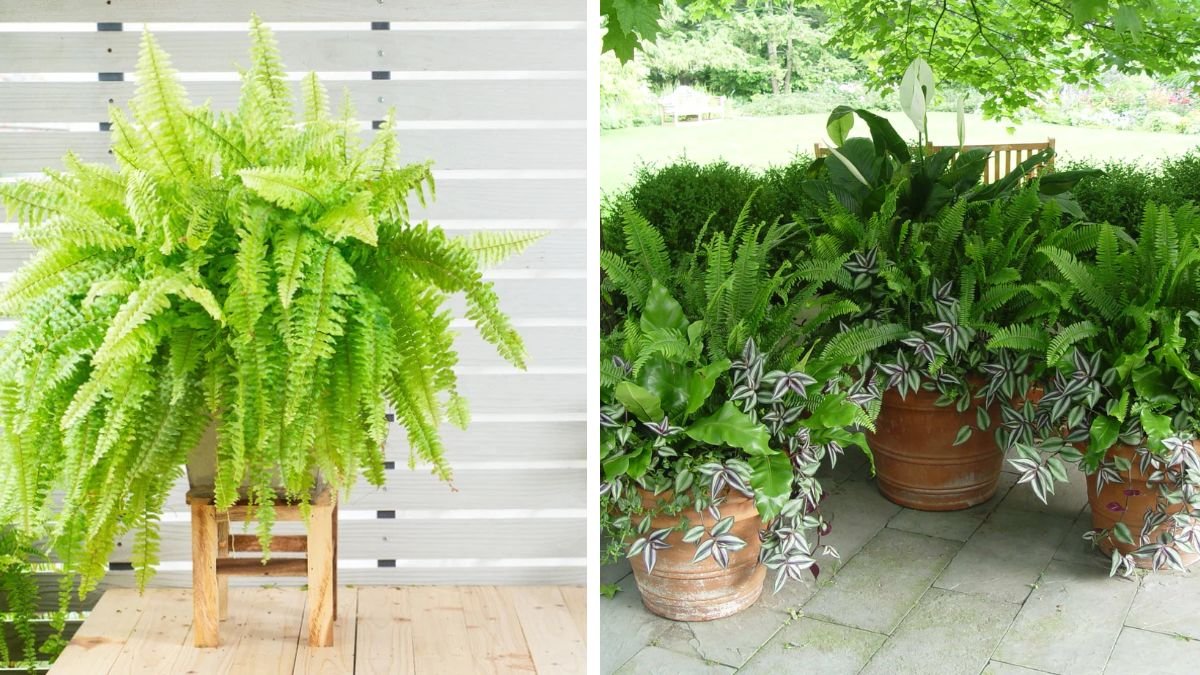
Fern plants have long been admired for their lush, green foliage and unique textures. These ancient plants add a touch of elegance and tranquility to gardens, making them perfect for both indoor and outdoor settings. This comprehensive guide will delve into how to successfully grow fern plants and provide beautiful decoration ideas to enhance your garden spaces.
Understanding Ferns
What Are Ferns?
Latest Posts
- A Comprehensive Guide to Successfully Growing Grape Vines in Your Backyard for Beginners and Experts Alike
- Best Tips for Successful Mango Growth in Containers
- Discover the Simple Steps for Successfully Growing Coriander in a Pot
- Discovering the Ultimate Guide to Growing African Violets from Leaf Cuttings
- Simple Techniques for Successfully Growing Seedless Grapes in Home Gardens
- Ultimate Guide to Growing Balsam Plants Naturally for Vibrant Blooms
- Discover the Secrets to Growing Lush Leek Leaves with Simple Hacks for Beginners
- How to Successfully Cultivate Sweet Cherries in the Unique Climate of Canada
- The Ultimate Guide to Successfully Growing Beautiful Succulent Garden Plants at Home
- A Comprehensive Guide to Growing Dhania from Seeds for Beginners
Ferns are non-flowering vascular plants that reproduce via spores instead of seeds. They belong to a group known as Pteridophytes. With over 10,000 species, ferns vary in size, shape, and color. Common varieties include Boston ferns, maidenhair ferns, and bird’s nest ferns.
Preferred Growing Conditions
Ferns thrive in:
- Moisture: They prefer shaded areas with high humidity.
- Light: Indirect light is ideal; too much sunlight can scorch their leaves.
- Soil: Well-draining, rich in organic matter, slightly acidic to neutral pH.
Selecting the Right Fern
The first step to successfully growing ferns is selecting the right species for your garden or indoor space. Here are a few popular choices:
- Boston Fern (Nephrolepis exaltata): Known for its feathery fronds, it’s a favorite for hanging baskets.
- Maidenhair Fern (Adiantum): Features delicate, fan-shaped leaves; ideal for creating a soft, airy look.
- Asplenium (Bird’s Nest Fern): Known for its rosette shape, it’s perfect for low-light areas.
- Japanese Painted Fern (Athyrium niponicum): This variety adds color with its silvery foliage streaked with purple.

Preparing the Soil
Ferns require well-draining soil to prevent root rot. Here’s how to prepare the soil effectively:
Soil Mix
- Components: Combine equal parts potting soil, peat moss, and perlite or vermiculite. This mixture ensures good drainage and moisture retention.
- pH Level: Aim for a pH level between 5.5 and 7.0. You can test the soil with a pH meter and adjust accordingly.
Planting Location
Choose a location with partial to full shade. If planting indoors, ensure the area receives indirect sunlight. If you live in a particularly hot climate, placing ferns where they’ll get morning sunlight and afternoon shade can be beneficial.
Planting Ferns
Steps to Plant Ferns
- Timing: Plant ferns in early spring when the risk of frost has passed.
- Spacing: Space plants according to their growth habits; typically, 12-18 inches apart.
- Depth: Dig a hole as deep as the root ball, and wider than the spread of the roots.
- Transplanting: Carefully remove the fern from its pot, gently loosening the roots if they are pot-bound, and place it in the prepared hole.
- Watering: Water thoroughly after planting to help the roots establish.
Caring for Ferns
Once planted, proper care is crucial for thriving ferns.
Watering
Maintaining moisture is essential:
- Frequency: Water deeply but infrequently. Ensure the top inch of soil remains moist.
- Humidity: Increase humidity, especially for indoor ferns, by misting them or using a pebble tray filled with water.
Fertilizing
Ferns are not heavy feeders, but supplementing their nutrient intake can promote growth:
- Type of Fertilizer: Use a balanced, diluted fertilizer like a 10-10-10 NPK mix.
- Schedule: Fertilize every 4-6 weeks during the growing season (spring and summer).
Pruning
Regular pruning can enhance the appearance of ferns:
- Remove Dead Fronds: Cut off any dead or yellowing fronds at the base.
- Shape Maintenance: Trim to maintain a desired shape or size while promoting bushiness.
Pest and Disease Management
Be vigilant about pests and disease, as ferns can be susceptible to:
Common Pests
- Aphids: Treat with insecticidal soap or neem oil.
- Scale Insects: Remove manually with rubbing alcohol on a cotton swab.
Disease
- Root Rot: Common in overly wet conditions; ensure proper drainage and avoid overwatering.
Decoration Ideas Using Ferns
Ferns can be incorporated into various decorations, enhancing both indoor and outdoor spaces.
Indoor Decoration Ideas
- Hanging Planters: Boston ferns look stunning in hanging baskets, adding a green cascade to any room.
- Terrariums: Small ferns like maidenhair can thrive in a glass container, creating a mini ecosystem.
- Table Centerpieces: Use smaller fern varieties as part of a floral arrangement for a natural, airy look.
Outdoor Decoration Ideas
- Shade Gardens: Create a beautiful shade garden that highlights different fern varieties interspersed with shade-loving perennials.
- Container Gardens: Ferns can be paired with other foliage plants in containers for added texture.
- Pathway Borders: Line garden paths with ferns to create a lush, natural pathway.
Ensuring Year-Round Beauty
Ferns are perennials, and with proper care, they can thrive for many years. Here are a few tips for maintaining year-round beauty:
Winter Care
In colder climates, you should:
- Mulch: Apply a layer of mulch around base plants to protect roots from freezing.
- Indoor Placement: Move container ferns indoors before the first frost or provide them with a frost-free shelter.
FAQs
Q1: Can ferns survive in direct sunlight?
A1: Most ferns prefer indirect light. Some species can tolerate brief periods of direct sunlight but may suffer damage if exposed too long.
Q2: How often should I water my ferns?
A2: Water when the top inch of soil feels dry. Generally, ferns prefer consistently moist but not soggy soil.

Q3: What is the best fertilizer for ferns?
A3: A balanced, slow-release fertilizer diluted to half-strength is ideal. Avoid excess nitrogen, which can lead to overly lush growth.
Q4: How do I propagate ferns?
A4: Ferns can be propagated through division. In early spring, separate the rhizomes and replant them.
Q5: Are ferns safe for pets?
A5: Yes, most common ferns are non-toxic to pets. However, it’s always wise to double-check with a vet regarding specific varieties.
Q6: Can I grow ferns in pots?
A6: Absolutely! Ferns thrive in pots as long as you ensure proper drainage and maintain humidity.
Q7: Why are my fern leaves turning yellow?
A7: Yellowing can indicate overwatering or a lack of nutrients. Assess the soil moisture and check for pests.
Conclusion
Growing fern plants can be a rewarding experience, offering an array of options for both decoration and adding lush greenery to your space. By understanding the types of ferns, their preferred growth conditions, and care requirements, you can enjoy these unique plants throughout your garden and home. Incorporating ferns into your décor not only enhances beauty but also promotes a calming atmosphere, making your living space more inviting. With a little effort and planning, your fern garden can flourish and become a beautiful focal point in your outdoor or indoor environment.