Introduction
If you’re looking to add a crispy, nutritious, and robust green to your home garden, escarole is an excellent choice. Known for its slightly bitter flavor and crunchy texture, escarole can elevate your salads while providing an array of health benefits. This guide will walk you through the steps to grow healthy escarole leaves at home, ensuring that your salads are always fresh and delightful.
What is Escarole?
Latest Posts
- A Comprehensive Guide to Successfully Growing Grape Vines in Your Backyard for Beginners and Experts Alike
- Best Tips for Successful Mango Growth in Containers
- Discover the Simple Steps for Successfully Growing Coriander in a Pot
- Discovering the Ultimate Guide to Growing African Violets from Leaf Cuttings
- Simple Techniques for Successfully Growing Seedless Grapes in Home Gardens
- Ultimate Guide to Growing Balsam Plants Naturally for Vibrant Blooms
- Discover the Secrets to Growing Lush Leek Leaves with Simple Hacks for Beginners
- How to Successfully Cultivate Sweet Cherries in the Unique Climate of Canada
- The Ultimate Guide to Successfully Growing Beautiful Succulent Garden Plants at Home
- A Comprehensive Guide to Growing Dhania from Seeds for Beginners
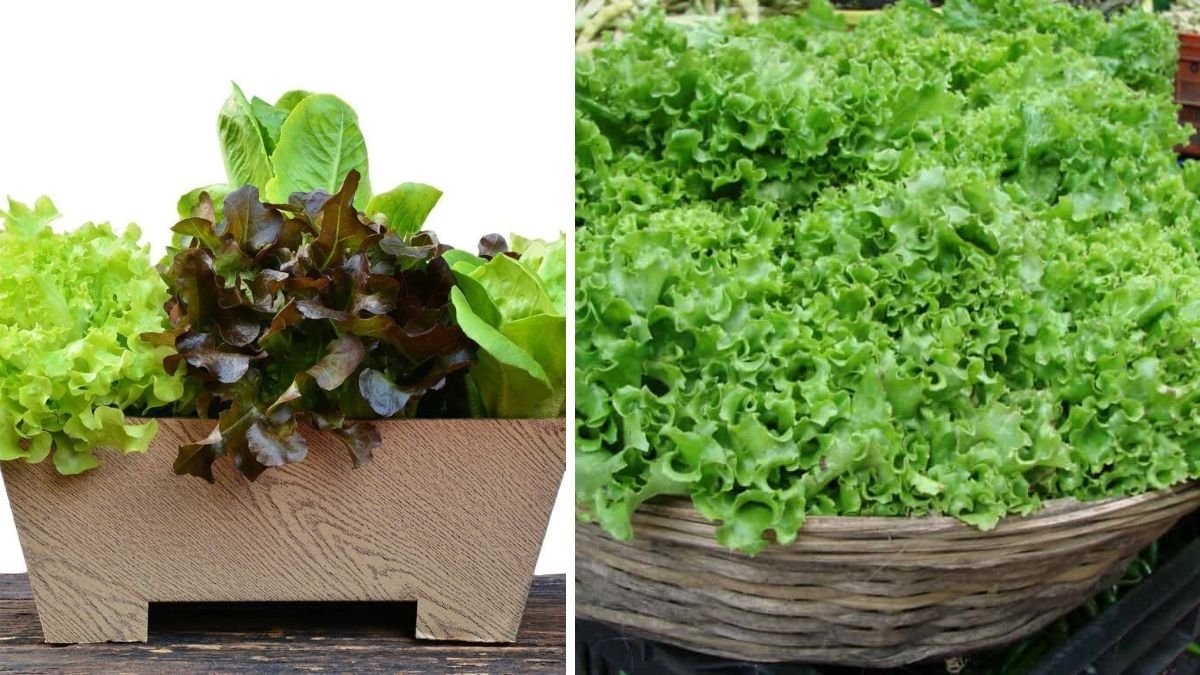
Escarole is a leafy green vegetable belonging to the chicory family. It is characterized by its broad leaves, which can be smooth or frilled at the edges. Escarole’s flavor is slightly bitter, making it a great accompaniment to dishes where you desire contrast, such as salads, soups, and stews. It is rich in vitamins A, C, K, and is an excellent source of dietary fiber—making it a powerhouse for your health.
Choosing the Right Variety
Before you start growing escarole, it’s essential to choose the right variety. The two main types of escarole are:
- Broad-leaved Escarole: This variety has large, broad leaves and a mild flavor. It is ideal for salads and cooking.
- Curly-leaved Escarole: This type features frilled leaves and a slightly stronger flavor. It can add texture and decoration to your dishes.
Starting Escarole Seeds

1. Timing:
Escarole is a cool-weather crop that thrives in temperatures between 60°F and 70°F (15°C to 21°C). The best time to plant escarole is in the spring or fall. In regions with mild winters, you can also grow it during the winter months.
2. Seed Selection:
Purchase fresh escarole seeds from a reputable supplier. Look for varieties that are known for their adaptability to your climate.
3. Preparing the Soil:
Escarole prefers well-draining, fertile soil. To prepare your garden bed:
- Clear the area of weeds and debris.
- Loosen the soil to a depth of about 12 inches (30 cm).
- Mix in organic compost to enrich the soil, providing essential nutrients for growth.
4. Sowing the Seeds:
- Plant the seeds about ¼ inch (0.6 cm) deep, and space them about 12 inches (30 cm) apart.
- Rows should be about 18 inches (45 cm) apart to allow room for growth.
- Water gently to moisten the soil without washing away the seeds.

Caring for Escarole Plants
1. Watering:
Escarole requires consistent moisture, especially during the germination period (7-14 days). Water the plants as needed to keep the soil evenly moist but not waterlogged. During dry spells, you may need to water more frequently.
2. Fertilizing:
Apply a balanced, organic fertilizer when plants are about 4-6 inches (10-15 cm) tall. Follow the manufacturer’s instructions for application rates. Avoid over-fertilizing, as this can lead to excessive leaf growth with poor flavor.
3. Sunlight:
Escarole thrives in full sun but can tolerate partial shade. Ensure that your plants receive at least 6 hours of sunlight per day for optimal growth.
Pest and Disease Management
Escarole is relatively hardy, but certain pests and diseases can affect its health:
Common Pests:
- Aphids: Small, sap-sucking insects that can be removed with insecticidal soap or neem oil.
- Caterpillars: Check the undersides of leaves for larvae. Hand-picking or using row covers can help manage them.
- Slugs and Snails: These creatures enjoy tender leaves. Use diatomaceous earth to deter them.
Common Diseases:
- Downy Mildew: A fungal disease that manifests as yellow patches on leaves. Ensure good air circulation and avoid overhead watering to minimize this risk.
- Cercospora Leaf Spot: This can appear as small, dark spots on leaves. Remove affected leaves and practice crop rotation to avoid recurrence.
Harvesting Escarole
1. Timing:
Harvest escarole when the leaves are young and tender, ideally when they reach about 6-8 inches (15-20 cm) in height. Young leaves have a milder flavor, whereas older leaves can be quite bitter.
2. Method:
Use sharp scissors or a knife to cut the leaves at the base. Alternatively, you can pull entire plants from the soil. Always harvest in the morning when temperatures are cooler, as this will preserve the freshness and flavor of the leaves.

3. Storage:
To keep your escarole fresh, wash and dry the leaves thoroughly. Store them in a breathable bag in the refrigerator. Properly stored, escarole can last for up to 7 days.
Culinary Uses of Escarole
Escarole is incredibly versatile and can be used in various dishes, including:
- Salads: Toss fresh escarole leaves with a variety of ingredients, such as nuts, fruits, cheese, and dressings for a crunchy salad base.
- Soups: Add escarole to vegetable or bean soups for added nutrition and flavor.
- Stir-Fries: Quickly sauté escarole with garlic and oil for a nutritious side dish.
- Pasta Dishes: Toss escarole with pasta, olive oil, and grated cheese for a light, flavorful meal.
FAQs
1. Can I grow escarole in containers?
Yes! Escarole can be successfully grown in containers. Choose a pot at least 12 inches (30 cm) deep, ensure good drainage, and provide adequate sunlight.
2. How long does it take for escarole to grow from seed to harvest?
From seed to harvest, escarole typically takes about 70 to 90 days. Factors such as temperature, light, and care can influence growth time.

3. Does escarole need much space to grow?
Escarole does require some space, ideally 12 inches (30 cm) apart in rows about 18 inches (45 cm) apart to allow room for their spreading leaves.
4. Is escarole a winter crop?
Yes, escarole can be grown in winter, especially in mild climates. You may want to use row covers to protect young plants from frost.
5. How can I improve the flavor of escarole?
To enhance the flavor, avoid over-fertilizing, as excessive nutrients can lead to bitterness. Harvesting younger leaves also typically yields a milder flavor.
6. Can I grow escarole organically?
Absolutely! Escarole can be grown with organic practices. Use organic compost, natural pest control methods, and avoid synthetic fertilizers.
Conclusion
Growing escarole at home is a rewarding experience that offers delicious, fresh greens for your salads, soups, and other dishes. With a few simple steps in soil preparation, care, and harvesting, you can enjoy the great taste and health benefits of this versatile leafy green. Now, get your hands dirty and start your escarole garden today!