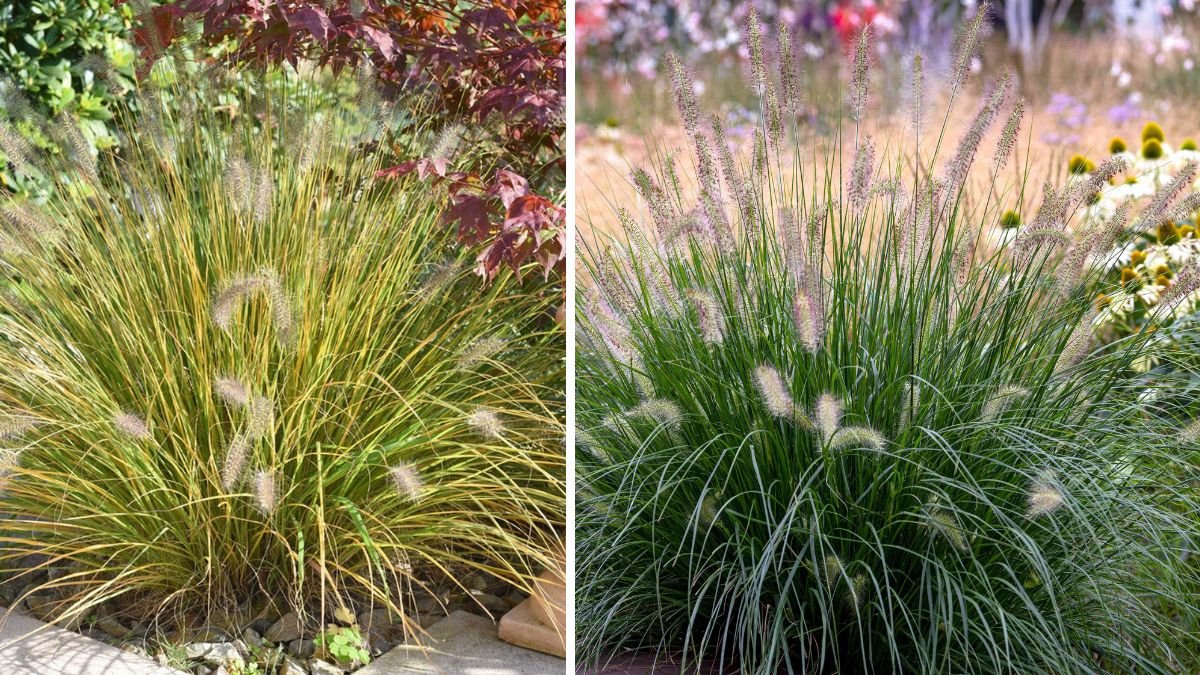
Fountain grass (Pennisetum alopecuroides) is a popular ornamental grass known for its elegant appearance and adaptability. With its feathery plumes and arching foliage, it provides stunning visual interest to both residential and commercial landscapes. In this ultimate guide, we’ll delve into how to successfully grow fountain grass, care for it, and utilize it in your landscaping for breathtaking home decoration.
1. Understanding Fountain Grass
1.1 What is Fountain Grass?
Latest Posts
- A Comprehensive Guide to Successfully Growing Grape Vines in Your Backyard for Beginners and Experts Alike
- Best Tips for Successful Mango Growth in Containers
- Discover the Simple Steps for Successfully Growing Coriander in a Pot
- Discovering the Ultimate Guide to Growing African Violets from Leaf Cuttings
- Simple Techniques for Successfully Growing Seedless Grapes in Home Gardens
- Ultimate Guide to Growing Balsam Plants Naturally for Vibrant Blooms
- Discover the Secrets to Growing Lush Leek Leaves with Simple Hacks for Beginners
- How to Successfully Cultivate Sweet Cherries in the Unique Climate of Canada
- The Ultimate Guide to Successfully Growing Beautiful Succulent Garden Plants at Home
- A Comprehensive Guide to Growing Dhania from Seeds for Beginners
Fountain grass is a perennial grass native to Asia and Africa. Its stunning fluffy seed heads, which can range from white to purplish, rise above the foliage and sway gracefully in the breeze. Fountain grass can grow anywhere from 2 to 4 feet tall and spreads about 2 to 3 feet wide.
1.2 Varieties of Fountain Grass
While Pennisetum alopecuroides is the most common type, there are several varieties worth considering:
- ‘Hameln’: This compact variety features dense tufts of fine-textured foliage and is ideal for smaller gardens.
- ‘Tall Tails’: Known for its tall and arching plumes, this variety adds height and drama to garden beds.
- ‘Little Bunny’: A dwarf variety that works wonders in rock gardens or as a border plant.
2. Choosing the Right Location
2.1 Sunlight Requirements
Fountain grass thrives best in full sun. Aim for at least 6 hours of direct sunlight per day. While it can tolerate partial shade, the best blooms and growth happen in bright sunlight.

2.2 Soil Conditions
Well-draining, sandy, or loamy soil is ideal for fountain grass. It can tolerate a variety of soil types but will not thrive in heavy, clay soils that retain water. Consider amending poor soils with compost to improve drainage and fertility.
2.3 Climate Considerations
Fountain grass is hardy in USDA zones 5-10, making it an excellent choice for a variety of climates but particularly suited for warmer regions. Be mindful of extremely cold winters or prolonged damp weather, as these conditions can affect the grass’s health.
3. Planting Fountain Grass
3.1 When to Plant
The best time to plant fountain grass is in the spring after the last frost. If you are starting from seed, you can begin indoors 8-10 weeks before the last frost date and transplant the seedlings outside once they are sturdy.
3.2 Spacing and Layout
When planting fountain grass, allow for sufficient space to accommodate its mature size. Plant them 2 to 3 feet apart to ensure good air circulation, which helps reduce disease risk and encourages healthy growth.
3.3 Planting Steps

- Prepare the Soil: Loosen the soil to a depth of at least 12 inches, incorporating organic matter if necessary.
- Dig a Hole: Make a hole that is twice as wide and just as deep as the root ball of the plant.
- Place the Plant: Remove the fountain grass from its container, gently tease the roots if they are root-bound, and place it in the hole.
- Backfill: Fill the hole with soil, ensuring the crown of the plant is level with the soil surface.
- Water Thoroughly: After planting, give the grass a deep watering.
4. Care and Maintenance
4.1 Watering
Fountain grass is drought-tolerant once established but requires regular watering during its initial growing period. Water deeply once or twice a week, depending on rainfall and temperature. Be careful not to overwater, which can lead to root rot.
4.2 Fertilization
Although fountain grass is not a heavy feeder, you can apply a balanced fertilizer in early spring to encourage new growth. Follow the manufacturer’s instructions for dosage.
4.3 Pruning and Deadheading
Fountain grass generally doesn’t require much pruning, but cutting back the plant to about 6 inches in late winter or early spring can promote lush growth. Deadheading—the process of removing spent flowers—can help maintain a tidy appearance but isn’t strictly necessary.
4.4 Pest and Disease Management

Pests like aphids and spider mites can occasionally affect fountain grass, but they are usually not severe problems. Encouraging beneficial insects, such as ladybugs, or using insecticidal soap can mitigate these issues. Ensuring adequate air circulation by spacing plants properly can help prevent fungal diseases.
5. Designing with Fountain Grass
5.1 Use in Landscaping
Fountain grass is versatile and can be used in various ways in the landscape:
- Borders: Use fountain grass to line walkways or garden beds for added texture and structure.
- Mass Plantings: Plant multiple clusters for dramatic impact, especially in larger spaces.
- Containers: Fountain grass can thrive in decorative pots, making it suitable for patios and balconies.
- Mixed Planting: Pair it with perennials and shrubs that have contrasting colors, shapes, and sizes to create a dynamic display.
5.2 Seasonal Interest
Fountain grass offers seasonal beauty, from its fresh green foliage in spring to its stunning plumes in summer and fall. The grass also provides visual interest during winter months when the foliage can be left intact for decorative effect.
6. Common Challenges
6.1 Overwatering

As mentioned earlier, fountain grass does not appreciate being overwatered. If you notice yellowing leaves or mushy roots, you may need to reduce watering.
6.2 Invasive Growth
In some regions, fountain grass can become invasive, spreading rapidly and outcompeting native species. Regular division every 2-3 years can help manage its growth.
6.3 Winter Care
In colder climates, consider mulching around the base of the plant to protect the roots during winter. In areas with harsh winters, lifting the plant and potting it for indoor enjoyment may be a good option.
7. FAQs
Q1: Can I grow fountain grass in shade?
While fountain grass can tolerate partial shade, it thrives best in full sun. For optimal growth and flowering, ensure it receives at least 6 hours of sunlight a day.
Q2: How fast does fountain grass grow?
Fountain grass typically grows quickly, reaching its full height in one season. When planted in favorable conditions, you can expect substantial growth within the first year.
Q3: Does fountain grass attract wildlife?
Yes, fountain grass seed heads can attract birds and insects, including butterflies. The grass also provides shelter for small wildlife.

Q4: How do I propagate fountain grass?
Fountain grass can be propagated through division in spring. Carefully lift the clump, separate it into smaller sections, and replant them. You can also collect seeds for planting, though this method requires more care and patience.
Q5: Is fountain grass deer-resistant?
Fountain grass is generally deer-resistant, making it a great choice for gardens located in areas with high deer populations.
Q6: What should I do if my fountain grass isn’t blooming?
If your fountain grass isn’t blooming, consider evaluating its growing conditions. Ensure it receives sufficient sunlight, has well-draining soil, and is not overwatered. Applying a balanced fertilizer in spring may also encourage blooming.
Q7: Can fountain grass be grown indoors?
While fountain grass can grow in containers, it is best suited for outdoor settings. Indoor environments may lack the light, air circulation, and humidity that the grass requires to thrive.
Conclusion
Fountain grass is a versatile and attractive plant that can transform any garden into a stunning landscape. With the right care and maintenance, it can thrive, providing beauty and interest throughout the seasons. Following the tips presented in this guide will not only help you grow fountain grass successfully but also allow you to create a visually arresting outdoor space that elevates the aesthetic of your home. Happy gardening!