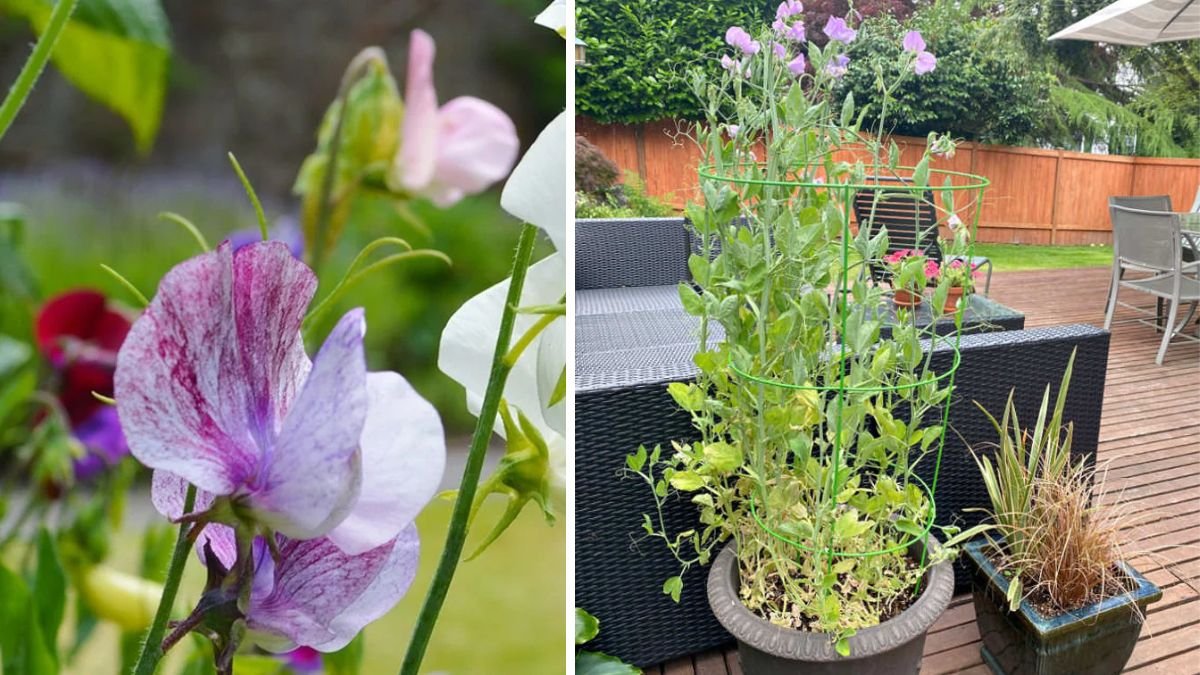
Sweet peas, admired for their lovely fragrance and colorful blooms, are a gardener’s delight. Growing sweet peas can be incredibly rewarding, and they can transform any garden space into a fragrant paradise. Whether you are a seasoned gardener or a beginner, follow these easy steps to cultivate beautiful sweet pea flowers in your home garden.
1. Understanding Sweet Peas
Sweet peas (Lathyrus odoratus) are annual climbing plants native to the Mediterranean region. They produce an array of blossoms in various colors, including pink, purple, white, and blue. Not only are they visually stunning, but their sweet fragrance has made them a favorite in cottage gardens and floral arrangements.
Latest Posts
- A Comprehensive Guide to Successfully Growing Grape Vines in Your Backyard for Beginners and Experts Alike
- Best Tips for Successful Mango Growth in Containers
- Discover the Simple Steps for Successfully Growing Coriander in a Pot
- Discovering the Ultimate Guide to Growing African Violets from Leaf Cuttings
- Simple Techniques for Successfully Growing Seedless Grapes in Home Gardens
- Ultimate Guide to Growing Balsam Plants Naturally for Vibrant Blooms
- Discover the Secrets to Growing Lush Leek Leaves with Simple Hacks for Beginners
- How to Successfully Cultivate Sweet Cherries in the Unique Climate of Canada
- The Ultimate Guide to Successfully Growing Beautiful Succulent Garden Plants at Home
- A Comprehensive Guide to Growing Dhania from Seeds for Beginners
Types of Sweet Peas
Before getting started, it’s essential to understand the different types of sweet peas available.
- Old-Fashioned Sweet Peas: Known for their strong fragrance and vintage charm.
- Modern Sweet Peas: Often bred for larger sizes and a more extensive color palette, but may have a lesser fragrance.
- Spencer Sweet Peas: These are particularly prized for their exceptional fragrance, vibrant colors, and sturdy stems.
Choosing the Right Variety
To pick the right variety, consider your climate and garden conditions. Check the seed packets or plant tags for specifics on growth habits, flower colors, and persistence of bloom.
2. Preparing the Soil
Choosing the Right Location
Select a sunny location for your sweet peas. They thrive in full sunlight, requiring at least six hours of direct light each day.

Soil Quality
Sweet peas prefer well-draining soil that is rich in organic matter. Here’s how to prepare it:
- Test the Soil: Check the pH, which should ideally range between 6.0 and 7.0.
- Add Organic Matter: Improve soil quality by mixing in compost or well-rotted manure.
- Tilling: Plow or till the soil to a depth of at least 12 inches to ensure good aeration.
Soil Drainage
If your soil tends to retain water, consider adding sand or perlite to improve drainage. Sweet peas are susceptible to root rot, so ensuring good drainage is vital.
3. Sowing Sweet Pea Seeds
When to Plant
The best time to sow sweet peas depends on your location. Generally, they can be planted in early spring, about 4-6 weeks before the last frost. In milder climates, you can also sow in autumn for an early spring bloom.
Seed Preparation
Sweet pea seeds have a hard outer coating, making them slow to germinate. To enhance germination rates, soak the seeds in water for 24 hours before planting.
Planting Seeds

- Planting Depth: Sow seeds about 1 inch deep, spacing them around 6 inches apart.
- Row Spacing: Space rows 12-18 inches apart to give the plants enough room to grow.
- Support: As sweet peas are climbing plants, provide a trellis or support structure at the time of planting.
4. Watering and Fertilizing
Watering Requirements
Sweet peas need consistent moisture, particularly during their growth stages. Here are some tips for watering:
- Frequency: Water the plants deeply once a week unless it rains.
- Method: Use a drip irrigation system or a soaker hose to deliver moisture directly to the roots.
Fertilization
While sweet peas don’t require heavy fertilization, a light application of balanced fertilizer can be beneficial. Choose a fertilizer with a higher phosphorus ratio to promote blooming.
- When to Fertilize: Apply fertilizer when the plants are around 6 inches tall and then again when they begin to flower.
5. Pruning and Maintenance
Support Structures
Once your sweet peas begin to grow, they will require support. Use trellises, stakes, or fences to help them climb. Secure the plants gently as they grow to prevent damage.

Regular Maintenance
- Weeding: Keep the area around sweet peas weed-free to reduce competition for nutrients.
- Mulching: Apply a layer of mulch to retain moisture and suppress weeds.
Pruning Techniques
Prune any dead or yellowing leaves to encourage new growth and airflow.
6. Encouraging Blooms
Pinching Back
To encourage bushier growth and more blooms, pinch back the tips of the plants when they are around 6 inches tall. This will promote lateral growth, leading to more flowers.
Supporting Pollinators
Attract pollinators such as bees by including companion flowers in your garden. This can enhance your sweet pea yield and increase overall health.
7. Harvesting Sweet Peas
Timing Your Harvest
After 60-90 days, you can begin to harvest sweet peas once the flowers begin to bloom.

- Best Practices: Cut flowers early in the morning when temperatures are cooler to retain freshness. Use sharp scissors or garden shears to avoid damaging the stem.
Storing and Using
Flowers can be used right away in arrangements or stored in a cool place with water until use. Remember that sweet pea flowers are edible and can be added to salads for a pop of color and flavor.
8. Troubleshooting Common Issues
Pests and Diseases
- Aphids: These small insects can be managed with insecticidal soap or by introducing beneficial insects like ladybugs.
- Powdery Mildew: This fungal disease can be mitigated by ensuring good air circulation and avoiding overhead watering.
Environmental Stressors
Keep an eye on temperature changes. Sweet peas thrive in cooler environments and may suffer in extreme heat.
9. Enjoying Your Sweet Peas
Once your sweet peas are flourishing, you can enjoy their fragrance and beauty throughout the growing season. Use them in floral arrangements, share them with friends, or fill your home with their delightful scent. As the blooms fade, let the pods dry out and collect seeds for the next planting season!
FAQs
Q1: How long does it take for sweet peas to bloom?
A: Sweet peas typically take about 60-90 days from sowing to blooming, depending on conditions and the variety planted.

Q2: Can sweet peas be grown in containers?
A: Yes, sweet peas can be grown in containers as long as they are deep enough to accommodate root growth and have a support system for climbing.
Q3: Are sweet peas annual or perennial plants?
A: Sweet peas are annual plants, meaning they complete their life cycle in one growing season.
Q4: How can I extend the blooming period of my sweet peas?
A: Regular deadheading (removing spent flowers) can encourage further blooming. Additionally, growing multiple varieties with staggered bloom times can yield flowers throughout the summer.
Q5: Can sweet peas grow in partial shade?
A: While sweet peas prefer full sun, they can tolerate some partial shade, particularly in hotter climates. However, blooming might be reduced in low-light conditions.
Q6: What should I do if my sweet peas are not blooming?
A: Ensure they are receiving enough sunlight, water, and nutrients. It may also help to check for any signs of pests or diseases that might be inhibiting growth.
Growing sweet peas can transform your gardening experience, offering beauty, fragrance, and the joy of nurturing plants to bloom. With a bit of patience and care, you can successfully cultivate these delightful flowers in your own garden!