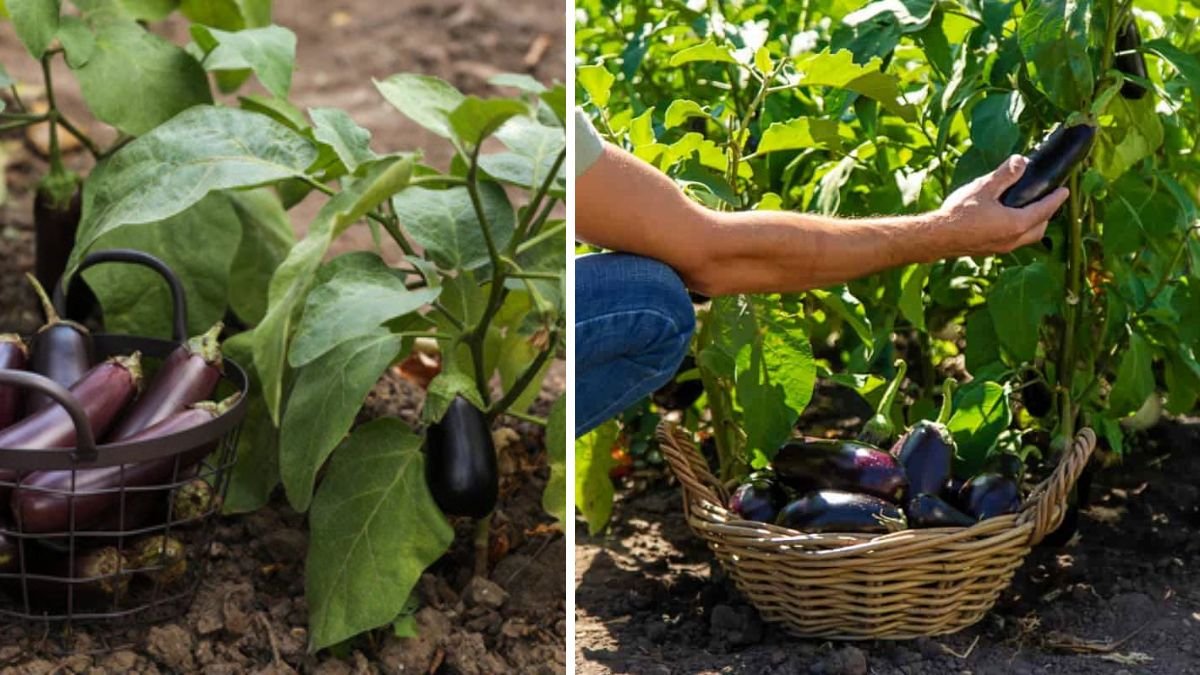
Brinjal, or eggplant (Solanum melongena), is a popular vegetable in many cuisines worldwide. Known for its glossy, purple skin and meaty texture, brinjal is not only a delicious addition to meals but also a nutritious choice. Growing brinjal at home can be a rewarding experience. This guide will take you through the entire process—from selecting seeds to harvesting your fruit—and answer some commonly asked questions.
1. Understanding the Basics of Brinjal
Before diving into the planting process, it’s essential to understand the requirements of brinjal plants:
Latest Posts
- A Comprehensive Guide to Successfully Growing Grape Vines in Your Backyard for Beginners and Experts Alike
- Best Tips for Successful Mango Growth in Containers
- Discover the Simple Steps for Successfully Growing Coriander in a Pot
- Discovering the Ultimate Guide to Growing African Violets from Leaf Cuttings
- Simple Techniques for Successfully Growing Seedless Grapes in Home Gardens
- Ultimate Guide to Growing Balsam Plants Naturally for Vibrant Blooms
- Discover the Secrets to Growing Lush Leek Leaves with Simple Hacks for Beginners
- How to Successfully Cultivate Sweet Cherries in the Unique Climate of Canada
- The Ultimate Guide to Successfully Growing Beautiful Succulent Garden Plants at Home
- A Comprehensive Guide to Growing Dhania from Seeds for Beginners
- Climate: Brinjal thrives in warm climates, requiring temperatures between 70°F and 90°F (21°C to 32°C).
- Soil: A well-draining, loamy soil enriched with organic matter is ideal. The pH level should be between 5.5 and 6.5.
- Sunlight: These plants require full sun, ideally 6-8 hours of direct sunlight per day.
2. Selecting Brinjal Seeds
When it comes to choosing seeds, you have several options:
- Heirloom Seeds: These are traditional seeds that have been passed down through generations. They offer a wide variety of flavors and shapes.
- Hybrid Seeds: These are bred for specific traits, such as disease resistance or higher yields.
- Organic Seeds: If you’re looking to grow organically, choose certified organic seeds.
Recommended Varieties:
- Black Beauty: A popular choice with deep purple color and good flavor.
- Italian Eggplant: Longer and thinner, great for grilling.
- Rosa Bianca: A pale purple variety known for its creamy texture.

3. Preparing to Plant
Soil Preparation
- Test the Soil: If possible, test your soil for pH and nutrient levels. Kits are available for home testing.
- Amend the Soil: Incorporate compost or well-rotted manure to enrich the soil. This adds essential nutrients and improves drainage.
- Tillage: Loosen the soil to a depth of at least 12 inches. This encourages healthy root growth.
Seed Starting
You can start seeds indoors or sow them directly into the garden. For regions with shorter growing seasons, starting indoors is recommended.
Indoor Seed Starting Steps:
- Timing: Start seeds indoors 8-10 weeks before the last expected frost date.
- Containers: Use seed trays or small containers filled with seed-starting mix.
- Planting: Sow seeds about ¼ inch deep and cover lightly with soil.
- Watering: Keep the soil moist but not soggy. Use a spray bottle for gentle watering.
- Temperature and Light: Place the containers in a warm location (around 75°F) and provide grow lights if necessary.

Hardening Off
Before transplanting outdoors, gradually acclimatize your seedlings to outdoor conditions. This process, known as hardening off, involves:
- Timing: Start 7-10 days before transplanting.
- Method: Place seedlings outside for a few hours each day, gradually increasing their outdoor exposure.
4. Transplanting Brinjal Seedlings
When to Transplant
Transplant your seedlings outdoors once the risk of frost has passed and the soil temperature reaches at least 60°F (16°C).
Steps for Transplanting:
- Spacing: Plant seedlings 18-24 inches apart in rows that are at least 30 inches apart.
- Holes: Dig a hole slightly larger than the seedling’s root ball.
- Transplanting: Gently remove the seedling from its container, loosen any circling roots, and place it in the hole. Backfill with soil and water thoroughly.
5. Caring for Brinjal Plants
Proper care is vital for a successful harvest.
Watering
Brinjal plants require consistent moisture. Water deeply, particularly during dry spells, and maintain soil moisture.
Fertilization
- Initial Fertilization: Use a balanced fertilizer when planting and every 4-6 weeks during the growing season.
- Nitrogen: Include nitrogen-rich fertilizers to promote leafy growth during early stages.
Mulching
Apply a layer of organic mulch around the plants to retain moisture, suppress weeds, and regulate soil temperature.
Pest and Disease Management
Common pests include aphids, spider mites, and whiteflies. Regularly inspect plants and use insecticidal soap or neem oil as needed.
Diseases to watch for include:
- Powdery Mildew: Ensure good air circulation and avoid overhead watering.
- Blight: Remove infected leaves and practice crop rotation.
6. Supporting Brinjal Plants
Brinjal plants can grow tall and may require staking for support. Use bamboo stakes or cages to keep the plants upright, especially when they begin to bear fruit.

7. Harvesting Brinjal
When to Harvest
Brinjal fruit is typically ready to harvest 70-80 days after planting, depending on the variety.
Signs of Ripeness:
- Color: Look for deep, vibrant colors.
- Size: The fruit should be firm and full but not oversized. Harvest while still glossy.
- Time: It’s best to harvest early in the morning when temperatures are cooler.
Harvesting Technique:
Use sharp garden shears to cut the stem about an inch above the fruit, avoiding any damage to the plant.
8. FAQs
Q1: How long does it take for brinjal seeds to sprout?
A1: Brinjal seeds typically take 7-14 days to germinate, depending on temperature and moisture levels.
Q2: Can I grow brinjal in containers?
A2: Yes, brinjal can be grown in containers as long as they are at least 5 gallons in size and provide sufficient drainage.

Q3: What pests should I be wary of when growing brinjal?
A3: Common pests include aphids, spider mites, and flea beetles.
Q4: How often should I fertilize brinjal plants?
A4: Fertilize every 4-6 weeks with a balanced fertilizer during the growing season.
Q5: Can brinjal be grown in partial shade?
A5: Brinjal prefers full sunlight, but it can tolerate partial shade. However, yields may be lower.
Q6: How can I store harvested brinjal?
A6: Store harvested brinjal in a cool, dry place. It can be kept in the refrigerator for about a week.
Q7: Are brinjal plants perennials or annuals?
A7: Brinjal plants are usually grown as annuals, but in warmer climates (zones 9 and above), they can be perennial.
Conclusion
Growing brinjal at home can be a fulfilling journey from seed to harvest. With the right planning, care, and attention, you can enjoy a bountiful harvest of this versatile vegetable. Whether you use them in curries, stir-fries, or grilled dishes, homegrown brinjal will add freshness and flavor to your meals. So, roll up your sleeves, and get ready to enjoy the fruits of your labor!