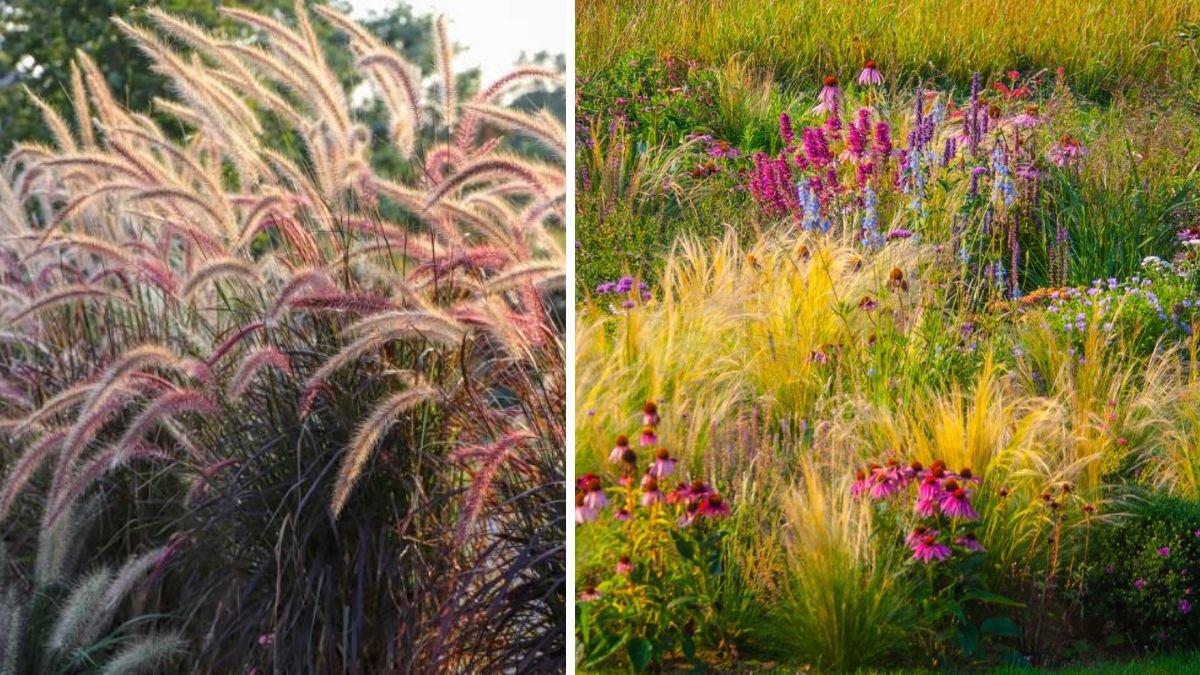
Ornamental grasses have increasingly become a favorite among gardeners and landscape designers for their versatility, resilience, and aesthetic appeal. Unlike traditional garden plants, ornamental grasses offer unique textures, shapes, and colors that can complement any garden style. Whether you are aiming for a contemporary look or a more rustic charm, incorporating these grasses can help you create a stunning outdoor display. In this article, we will explore the beauty of ornamental grasses, their benefits, and how to cultivate them effectively.
Why Choose Ornamental Grasses?
Aesthetic Appeal
Latest Posts
- A Comprehensive Guide to Successfully Growing Grape Vines in Your Backyard for Beginners and Experts Alike
- Best Tips for Successful Mango Growth in Containers
- Discover the Simple Steps for Successfully Growing Coriander in a Pot
- Discovering the Ultimate Guide to Growing African Violets from Leaf Cuttings
- Simple Techniques for Successfully Growing Seedless Grapes in Home Gardens
- Ultimate Guide to Growing Balsam Plants Naturally for Vibrant Blooms
- Discover the Secrets to Growing Lush Leek Leaves with Simple Hacks for Beginners
- How to Successfully Cultivate Sweet Cherries in the Unique Climate of Canada
- The Ultimate Guide to Successfully Growing Beautiful Succulent Garden Plants at Home
- A Comprehensive Guide to Growing Dhania from Seeds for Beginners
Ornamental grasses bring a dynamic element to any garden. Their swaying movements and feathery plumes create visual interest, as they reflect light and change over the seasons. They come in various colors, such as blues, greens, golds, and even variegated forms, allowing you to experiment with combinations that enhance your garden’s design.
Low Maintenance
One of the key advantages of ornamental grasses is their low maintenance requirements. Most grasses are drought-tolerant once established and are generally resilient against pests and diseases. This allows you to enjoy a beautiful garden without spending extensive time on upkeep.
Seasonal Interest
Ornamental grasses offer year-round interest. In spring and summer, their vibrant foliage and stunning flower spikes are a sight to behold. As autumn approaches, many grasses transition into warm hues, while winter brings delicate seed heads that can add texture to the wintry landscape. This year-round appeal makes them a valuable addition for any gardener.
Habitat for Wildlife
Ornamental grasses provide essential habitat for various wildlife. They offer shelter for birds and beneficial insects, while their seeds can serve as food. By incorporating ornamental grasses into your garden, you can create a vibrant ecosystem that supports local wildlife diversity.
Popular Types of Ornamental Grasses

Here are some of the most popular species of ornamental grasses that you might consider incorporating into your garden:
1. Miscanthus sinensis (Chinese Silver Grass)
This grass is celebrated for its towering height and arching form, making it a striking focal point in the garden. In late summer, it produces feathery flower plumes that turn silver as they mature, reflecting sunlight beautifully.
2. Pennisetum alopecuroides (Fountain Grass)
Fountain grass is known for its cascading habit and fluffy flower heads that resemble soft cat tails. It blooms in late summer and can add softness and texture to any garden bed.
3. Calamagrostis acutiflora (Karl Foerster Grass)
This perennial grass is excellent for vertical interest, growing upright and tall. It offers delicate feathery plumes that rise above the foliage, adding a unique architectural element to your garden.
4. Sporobolus heterolepis (Prairie Dropseed)
Prairie dropseed forms a lovely, fountain-like clump and features fine-textured leaves. In late summer, it produces fragrant flower spikes, making it an excellent addition for sensory gardens.
5. Deschampsia cespitosa (Tufted Hair Grass)
Ideal for cooler climates, this grass showcases a more delicate appearance. Its airy flower heads sway gracefully in the breeze, creating a light and ethereal feel to your garden.

Cultivating Ornamental Grasses
Choosing the Right Location
Most ornamental grasses thrive in sunny locations, although some can tolerate partial shade. When selecting a site, pay attention to your garden’s specific microclimates. Avoid areas that retain excessive moisture, as most grasses prefer well-drained soil.
Soil Preparation
Ornamental grasses thrive in a range of soils but prefer loamy, sandy, or gravelly substrates. Before planting, improve your soil by incorporating organic matter, such as compost. This will enhance soil structure and drainage, promoting healthy root development.
Planting Techniques
-
Timing: The best time to plant ornamental grasses is in spring or early fall. This timing allows plants to establish roots before facing extremes in temperature.
-
Spacing: Many ornamental grasses spread and grow tall, so ensure you provide adequate space between plants. Follow the recommended spacing guidelines for each specific species.
-
Planting Depth: When planting, ensure the crown of the grass (where the roots meet the stem) is level with the soil surface. Planting too deep can lead to rot, while planting too shallow may expose roots to desiccation.
Watering and Fertilization
Once established, ornamental grasses are drought-tolerant. However, regular watering is essential during their first year to help plants establish a robust root system. Afterward, you may only need to water during prolonged dry spells.

Fertilizing is generally unnecessary, especially if you’ve amended your soil with compost before planting. If you do choose to fertilize, a light application of a slow-release fertilizer in spring will suffice.
Maintenance and Pruning
Regular maintenance for ornamental grasses is minimal. However, in late winter or early spring, it’s beneficial to cut back dead foliage to encourage new growth. Timing is crucial: prune before the new growth begins to emerge but after the threat of severe frost has passed.
Controlling Invasiveness
Some ornamental grasses can be invasive, so monitoring your chosen varieties in your garden is essential. Consider planting them in confined spaces or using barriers to keep them contained.
Designing with Ornamental Grasses
Mixing with Other Plants
Ornamental grasses can be mixed beautifully with perennials, annuals, and shrubs. Contrasting textures, such as pairing tall grass with low-growing flowering plants, will create layers and dimensions in your garden.
Seasonal Arrangements
To keep your garden vibrant throughout the seasons, design arrangements that feature grasses with differing bloom times. For instance, mix spring bloomers with late-summer grasses, ensuring that there’s always something of interest.
Borders and Edges

Use ornamental grasses to define garden pathways or borders. Their vertical growth can create a natural enclosure, adding depth and formality to your space.
Common Myths About Ornamental Grasses
-
They Are All Invasive: While some species can be invasive, many are well-behaved and won’t disrupt your garden. Research and choose non-invasive varieties suitable for your local conditions.
-
They Require Constant Watering: Once established, ornamental grasses are remarkably drought-tolerant and can flourish with minimal watering.
-
They Are Only for Large Gardens: Ornamental grasses can thrive in small spaces. Dwarf varieties and careful selection can help you incorporate them into any size garden.
FAQs
Q: What are the best ornamental grasses for a low-maintenance garden?
A: Look for species like Pennisetum alopecuroides (Fountain Grass) or Calamagrostis acutiflora (Karl Foerster Grass), as they require minimal care once established.
Q: Do ornamental grasses work well in container gardening?
A: Yes! Many ornamental grasses adapt well to containers, provided they have sufficient space for root growth and suitable drainage.

Q: How do I winterize ornamental grasses?
A: In fall, cut back grasses to a few inches above the ground after the first frost. This helps prevent disease and encourages healthy new growth in spring.
Q: Can I use ornamental grasses in a shade garden?
A: Some grasses can tolerate partial shade, but most prefer full sun. Check specific varieties for their light requirements before planting.
Q: Are ornamental grasses resistant to pests?
A: Generally, ornamental grasses exhibit strong resistance to pests and diseases, making them a hassle-free choice for gardeners.
Q: How fast do ornamental grasses grow?
A: Growth rates can vary by species. Some may reach maturity in one to two growing seasons, while others may take longer.
Conclusion
Ornamental grasses can transform any garden into a dynamic landscape filled with texture, movement, and beauty. Their versatility, low maintenance needs, and seasonal interest make them a wise choice for any gardener. By understanding their requirements and thoughtfully incorporating them into your garden design, you can create breathtaking displays that will captivate all who visit your outdoor space. Whether you’re a seasoned gardener or a newbie exploring your green thumb, ornamental grasses offer endless possibilities to enhance your gardening journey.