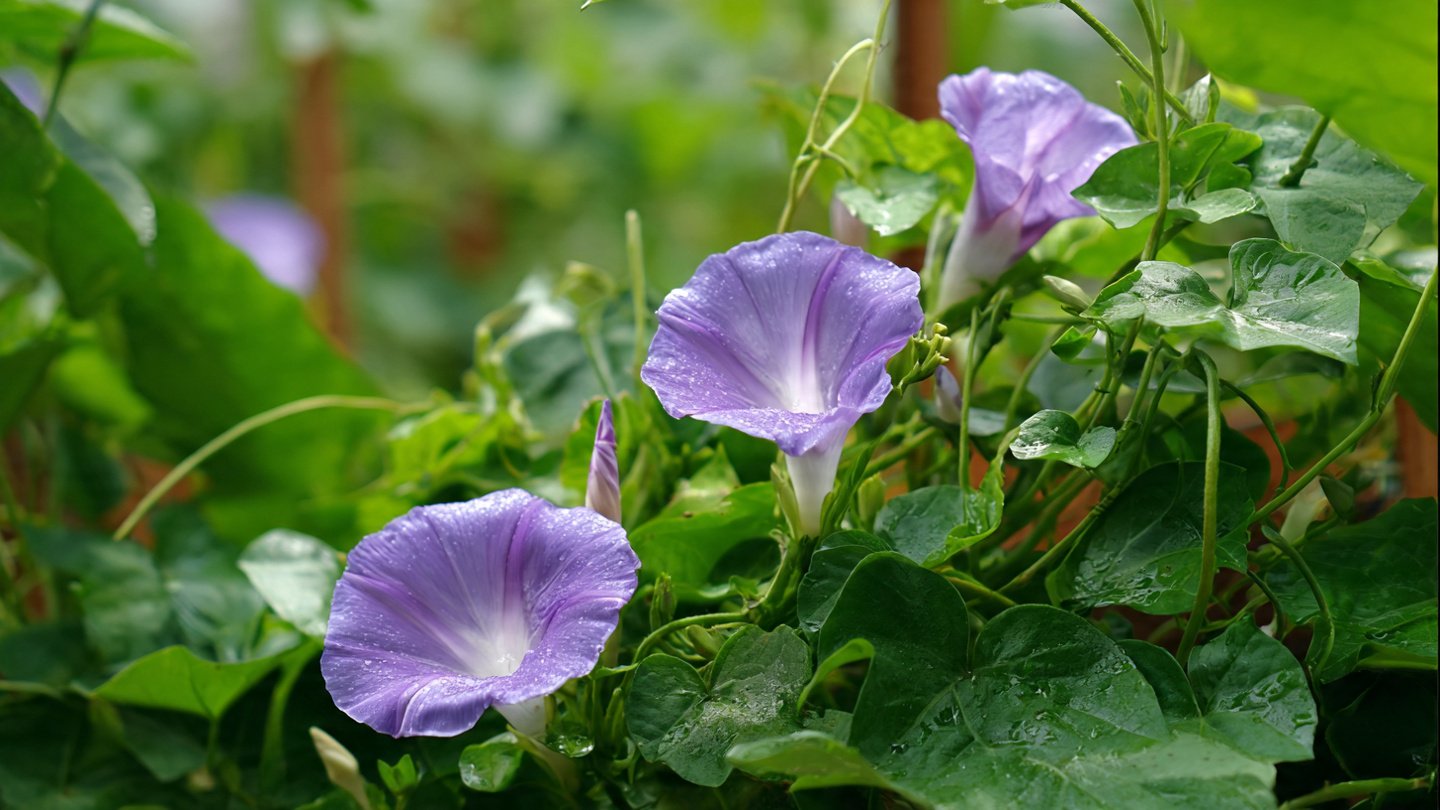
Growing morning glories can add a burst of color and charm to your garden. Known for their vibrant flowers that bloom in shades of blue, purple, pink, and white, these annual climbing plants can create stunning visual displays. If you’re new to gardening or simply want to expand your plant collection, learning how to successfully grow morning glory from seeds can be a rewarding experience. This article will guide you through the entire process—from selecting seeds to caring for your plants.
Understanding Morning Glory
Botanical Profile
Latest Posts
- A Comprehensive Guide to Successfully Growing Grape Vines in Your Backyard for Beginners and Experts Alike
- Best Tips for Successful Mango Growth in Containers
- Discover the Simple Steps for Successfully Growing Coriander in a Pot
- Discovering the Ultimate Guide to Growing African Violets from Leaf Cuttings
- Simple Techniques for Successfully Growing Seedless Grapes in Home Gardens
- Ultimate Guide to Growing Balsam Plants Naturally for Vibrant Blooms
- Discover the Secrets to Growing Lush Leek Leaves with Simple Hacks for Beginners
- How to Successfully Cultivate Sweet Cherries in the Unique Climate of Canada
- The Ultimate Guide to Successfully Growing Beautiful Succulent Garden Plants at Home
- A Comprehensive Guide to Growing Dhania from Seeds for Beginners
Morning glory (Ipomoea) belongs to the Convolvulaceae family. This plant is well-known for its fast growth and beautiful trumpet-shaped flowers that delight gardeners and pollinators alike. Some varieties can grow as tall as 10 feet, making them excellent for trellises, fences, and garden walls.
Varieties to Consider
When selecting seeds, consider the following popular varieties:
- Ipomoea purpurea: The most common morning glory with vibrant purple to blue flowers.
- Ipomoea nil: Known for its traditional Japanese varieties, featuring beautiful patterns and color variations.
- Ipomoea tricolor: This variety produces stunning three-colored blooms, often seen in ornamental gardens.
Preparing for Planting

1. Choosing the Right Location
Morning glories thrive in full sun, requiring at least 6-8 hours of direct sunlight each day. Look for a spot in your garden that gets ample sunlight and has well-draining soil. These plants prefer slightly acidic to neutral soil (pH 6.0 to 7.0).
2. Soil Preparation
Healthy soil is crucial for successful growth. Follow these steps:
- Testing Soil: Use a soil test kit to check for pH, nitrogen, phosphorus, and potassium levels.
- Amending Soil: If needed, amend your soil by adding compost or well-rotted manure. This will improve drainage and provide essential nutrients.
- Tilling: Loosen the soil to a depth of at least 12 inches to encourage root development.
3. Seed Selection
Choose high-quality seeds from a reliable supplier. You can find various morning glory seed packets at local gardening centers or online stores. Pay attention to the specific variety and its growth habits to ensure it suits your garden layout.
Planting Morning Glory Seeds
1. Timing
The best time to plant morning glory seeds is in the spring after the last frost. The soil temperature should be at least 60°F (15°C) for optimal germination.
2. Seed Treatment
Consider soaking the seeds in water for 24 hours before planting. This helps to soften the tough seed coat and improves germination rates.
3. Planting Depth and Spacing
- Depth: Plant the seeds about ¼ inch deep.
- Spacing: Space the seeds about 6 to 12 inches apart to allow for sufficient growth and airflow.
4. Watering
After planting, water the area gently but thoroughly to settle the soil around the seeds. Ensure the soil remains moist but not waterlogged as the seeds germinate.
Caring for Your Morning Glory
1. Watering
Maintain consistent moisture during the growing season. Water deeply once or twice a week, especially during dry spells. Reduce watering as the plants mature to avoid over-saturation.
2. Fertilizing
Morning glories don’t require excessive fertilization. A balanced, slow-release fertilizer applied at planting time usually suffices. Too much nitrogen can lead to excessive foliage with fewer blooms.
3. Support Structures
As climbing plants, morning glories will benefit from trellises, fences, or stakes. Set up support early in their growth to guide the vines as they climb.
4. Pruning
Prune back any dead or overcrowded growth to promote better air circulation and sunlight penetration. Regular clipping can encourage bushier, more robust growth.
5. Pest and Disease Management
Although morning glories are generally resilient, keep an eye out for pests like aphids and spider mites. Use insecticidal soap or neem oil if infestations occur. Also, ensure proper spacing to help prevent fungal diseases by improving airflow.
When to Expect Blooms
Typically, morning glories will begin to flower in summer and continue through the fall. The blooms open in the morning and close in the afternoon, giving the plant its distinctive name. Regular deadheading (removing spent flowers) can encourage further blooming.
Harvesting Seeds
Once the flowers have dried, they will form seed pods. Allow the pods to dry out completely on the vine before harvesting. Store seeds in a cool, dry place for the next planting season.
FAQs
1. How long does it take for morning glory seeds to germinate?
Morning glory seeds usually take about 7 to 14 days to germinate under optimal conditions.
2. Can I grow morning glories in containers?
Yes, you can grow morning glories in large containers with sufficient support for climbing. Ensure the container has drainage holes and use quality potting mix.
3. How do I prevent morning glory from becoming invasive?
Monitor growth and cut back any overzealous vines. If you’re growing a variety with invasive tendencies, consider planting them in a confined area or container.
4. Are morning glories poisonous to pets?

While morning glories are not considered highly toxic, they can cause minor stomach upset if ingested in large quantities. Keep them out of reach of curious pets.
5. What should I do if my morning glory won’t bloom?
If your morning glories aren’t blooming, check for excessive nitrogen, inadequate sunlight, or insufficient watering. Adjusting any of these factors can help promote flowering.
6. Can I save morning glory seeds for next year?
Yes, morning glory seeds can be harvested and saved for future planting. Store them in a cool, dry place in an airtight container to maintain viability.
7. Can morning glories tolerate drought conditions?
While morning glories can withstand short periods of drought, they perform best with regular watering, especially during dry spells to ensure healthy blooms.
Conclusion
Successfully growing morning glories from seeds is a straightforward and fulfilling endeavor. By selecting the right varieties, preparing your garden, and following maintenance practices, you’ll create a breathtaking display of colorful blooms to enjoy. Embrace the challenges and joys of gardening, and you’ll find that morning glories can be a delightful addition to your home landscape. Happy gardening!