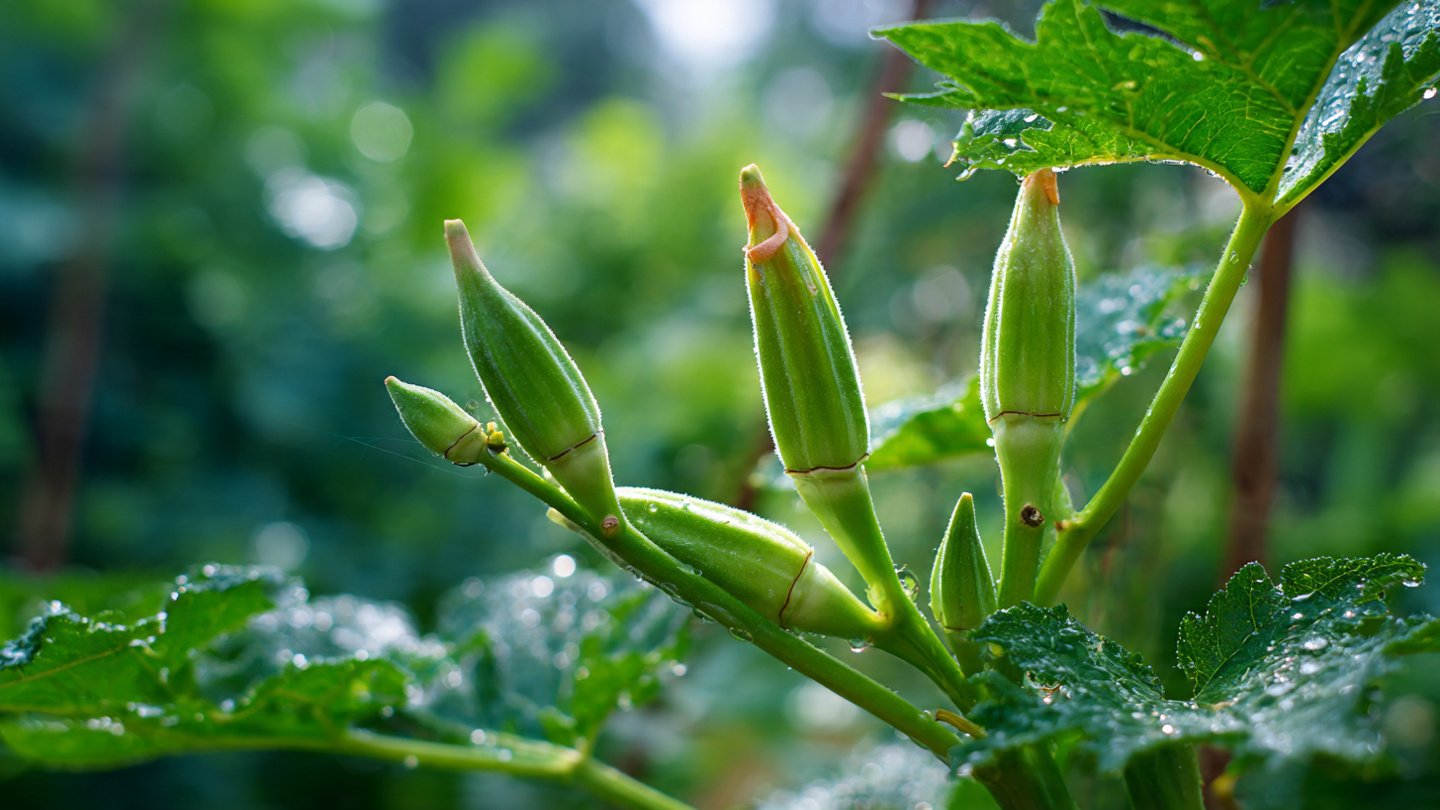
Growing your own vegetables can be a rewarding and fulfilling experience, and few crops are as enjoyable to cultivate as okra. Known for its unique flavor and versatile use in dishes like gumbo, okra is a warm-season vegetable that thrives in sunny environments. If you’re considering cultivating this delightful vegetable in your home garden, here’s a comprehensive guide on how to grow okra from seeds successfully.
Understanding Okra
Okra (Abelmoschus esculentus) is a member of the mallow family, which also includes hibiscus and cotton. It is native to Africa and South Asia, and it thrives in warm climates. Besides its culinary uses, okra is also celebrated for its nutritional benefits. It is rich in vitamins A and C, calcium, and dietary fiber.
Latest Posts
- A Comprehensive Guide to Successfully Growing Grape Vines in Your Backyard for Beginners and Experts Alike
- Best Tips for Successful Mango Growth in Containers
- Discover the Simple Steps for Successfully Growing Coriander in a Pot
- Discovering the Ultimate Guide to Growing African Violets from Leaf Cuttings
- Simple Techniques for Successfully Growing Seedless Grapes in Home Gardens
- Ultimate Guide to Growing Balsam Plants Naturally for Vibrant Blooms
- Discover the Secrets to Growing Lush Leek Leaves with Simple Hacks for Beginners
- How to Successfully Cultivate Sweet Cherries in the Unique Climate of Canada
- The Ultimate Guide to Successfully Growing Beautiful Succulent Garden Plants at Home
- A Comprehensive Guide to Growing Dhania from Seeds for Beginners
Choosing the Right Variety
Before diving into the growing process, it’s essential to choose the right variety of okra that suits your climate and taste preferences. Some popular varieties include:
- Clemson Spineless: Ideal for beginners, this variety is easy to grow and produces tender pods.
- Burgundy: Known for its striking color, this variety is beautiful and flavorful.
- Jambalaya: This hybrid is resistant to many diseases and produces high yields.
Selecting a variety suited to your growing conditions will significantly enhance your success in growing okra.
Preparing the Soil
Okra thrives best in well-draining, rich, loamy soil with a pH between 6.0 and 6.8. Here’s how to prepare the soil for planting:

-
Location: Choose a sunny spot in your garden that receives at least 6-8 hours of direct sunlight each day.
-
Soil Testing: Conduct a soil test to determine the pH and nutrient level. Your local agricultural extension office can help with testing.
-
Enriching the Soil: If your soil is lacking nutrients, enrich it by mixing in compost or well-rotted manure to improve its fertility.
-
Tilling: Till the soil to a depth of at least 12 inches to ensure good aeration and drainage.
Timing Your Planting
Okra is sensitive to frost, so timing your planting is crucial. Here are some guidelines:
- When to Plant: In most regions, sow okra seeds outdoors once the danger of frost has passed, and the soil temperature reaches at least 65°F (18°C).
- Fall Planting: In warmer climates, you can extend the growing season by planting a second crop in late summer.
Sowing Okra Seeds
Once you have the soil prepared and the timing right, it’s time to sow the seeds:

-
Seed Preparation: If you want to enhance germination, soak the seeds in water for 24 hours before planting. This can help soften the hard seed coat.
-
Planting Depth: Sow seeds about 1 inch deep. The spacing should be approximately 12-18 inches apart in rows that are 3 feet apart.
-
Watering: After planting, water the seeds gently but thoroughly. Keep the soil consistently moist but not waterlogged during germination.
Caring for Okra Plants
Once your seeds have germinated and seedlings emerge, ongoing care is essential for healthy growth:
-
Watering: Okra plants require about 1 inch of water per week. Water deeply, especially during dry spells, but avoid overhead watering to prevent diseases.
-
Fertilizing: Side-dress your okra plants with fertilizer when they reach about 12 inches in height. A balanced fertilizer (10-10-10) works well.
-
Mulching: Apply a layer of mulch around your plants. This helps retain moisture, suppress weeds, and regulate soil temperature.
-
Pest Control: Monitor your plants for common pests like aphids and hornworms. Insecticidal soap or neem oil can be effective organic solutions.
-
Support: As they grow taller, some varieties may require staking to prevent them from bending or breaking.
Harvesting Okra
Okra pods grow quickly and can be harvested within 50 to 60 days after planting, depending on the variety. Here are some tips for harvesting:
-
Timing: Harvest okra when the pods are 2-4 inches long. Pick them while they are still tender; once they grow larger, they become fibrous.
-
Frequency: Check your plants every other day during peak growing times. Regular harvesting encourages more pod production.
-
Cutting: Use sharp scissors or pruners to avoid damaging the plant. Cut the pods off at the stem, as twisting can harm the plant.
Storing Okra
Fresh okra can be stored in the refrigerator for up to a week. To extend its shelf life:
- Freezing: Blanch the okra in boiling water for a few minutes, cool it in an ice bath, and then freeze it in an airtight container.
- Canning: Okra can also be preserved through canning, but it’s essential to follow proper canning procedures to ensure safety.

Troubleshooting Common Issues
While okra is relatively resilient, you may encounter some common issues:
- Fungal Diseases: Powdery mildew can occur in humid conditions. Ensure good air circulation and avoid overhead watering.
- Blossom Drop: This can happen due to extreme temperatures or inconsistent watering. Make adjustments to your watering routine and consider shade covers during heat waves.
FAQs
1. How long does it take for okra to grow from seed to harvest?
Okra typically takes 50 to 60 days to mature from seed to harvest, depending on the specific variety and growing conditions.
2. What is the best way to ensure my okra seeds germinate?
Soaking seeds in water for 24 hours before planting can enhance germination. Ensure the soil is warm (at least 65°F) to promote sprouting.
3. Can okra be grown in containers?
Yes, okra can be grown in large containers as long as they have adequate drainage and sufficient sunlight.
4. What pests should I watch for when growing okra?

Common pests include aphids, beetles, and hornworms. Regularly inspect your plants and consider using organic pest controls as necessary.
5. Is okra a perennial or annual plant?
Okra is typically grown as an annual in most climates, though it is a perennial in tropical environments.
6. How often should I water my okra?
Okra requires about 1 inch of water per week, but ensure the soil is well-draining to avoid waterlogging.
7. Can I save okra seeds for next year?
Yes! You can save seeds from mature pods. Allow them to dry completely before storing them in a cool, dry place.
Conclusion
Growing okra from seeds at home can be a simple and rewarding endeavor. With the right preparation, care, and timely harvesting, you can enjoy a bountiful harvest of this delicious vegetable. Whether you’re adding it to gumbo or frying it for a tasty side, homegrown okra is sure to enhance your culinary creations. Happy gardening!