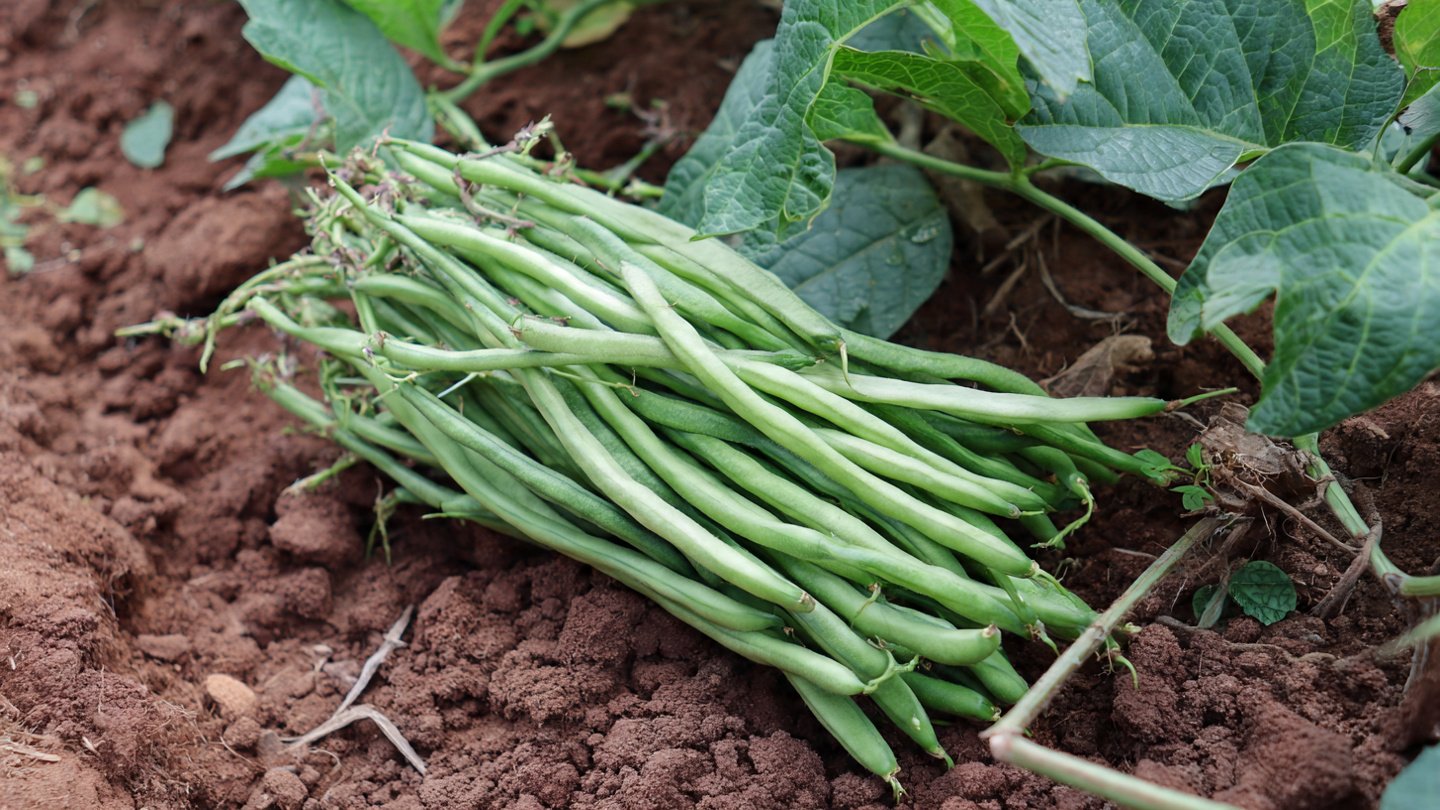
Cowpea beans, scientifically known as Vigna unguiculata, are a staple legume grown in many parts of the world, particularly in Africa and Asia. Known for their drought resistance and nutritional value, cowpeas are an excellent addition to any home garden. This guide will provide you with detailed insights on successfully cultivating cowpea beans, ensuring you achieve maximum yield.
1. Understanding Cowpea Beans
Cowpeas are versatile legumes that can thrive in a variety of conditions. With high protein content, they are a great source of nutrition and are often used in a variety of culinary applications. Cowpeas can be consumed fresh, dried, or as a green vegetable. They also improve soil fertility through nitrogen fixation, making them a valuable crop for both your nutrition and soil health.
Latest Posts
- A Comprehensive Guide to Successfully Growing Grape Vines in Your Backyard for Beginners and Experts Alike
- Best Tips for Successful Mango Growth in Containers
- Discover the Simple Steps for Successfully Growing Coriander in a Pot
- Discovering the Ultimate Guide to Growing African Violets from Leaf Cuttings
- Simple Techniques for Successfully Growing Seedless Grapes in Home Gardens
- Ultimate Guide to Growing Balsam Plants Naturally for Vibrant Blooms
- Discover the Secrets to Growing Lush Leek Leaves with Simple Hacks for Beginners
- How to Successfully Cultivate Sweet Cherries in the Unique Climate of Canada
- The Ultimate Guide to Successfully Growing Beautiful Succulent Garden Plants at Home
- A Comprehensive Guide to Growing Dhania from Seeds for Beginners
Benefits of Growing Cowpeas
- Nutritional Value: High in protein, fiber, and essential minerals like iron.
- Soil Enhancement: Fix nitrogen in the soil, improving fertility for subsequent crops.
- Drought Resistance: Adaptable to arid conditions, requiring less water than many other crops.
- Pest Resistance: Less susceptible to pests and diseases compared to some other legumes.
2. Choosing the Right Variety
When choosing cowpea varieties for your garden, consider factors like climate, growing season, and intended use. Common varieties include:
- Black-eyed peas: Popular in Southern cooking, good for fresh consumption.
- Brown Crowder: Great for cooking and nutritious as well.
- California Blackeye: High-yielding and disease-resistant.

Consult local agricultural extensions or gardening centers to find the best-suited variety for your area.
3. Preparing Your Garden
a. Soil Requirements
Cowpeas flourish in well-drained soils rich in organic matter. Before planting:
- Soil pH: Aim for a pH of 6.0 to 6.8.
- Soil Preparation: Clear the area of weeds and debris. Use a rototiller or fork to loosen the soil.
- Add Organic Matter: Incorporate compost or well-rotted manure to enhance soil fertility.
b. Site Selection
Choose a sunny location that receives at least 6 to 8 hours of sunlight daily. Avoid areas with heavy shade or excessive moisture.
4. Planting Cowpea Beans
a. Timing
Cowpeas are warm-season crops and should be planted after the last frost date in your area. Ideally, wait until soil temperatures reach at least 60°F (15°C).
b. Planting Method
- Seed Depth: Plant seeds 1-2 inches deep.
- Row Spacing: Space rows 18-36 inches apart. If intercropping, maintain a distance that allows for growth.
- Seed Spacing: Plant seeds 2-4 inches apart within rows.
c. Direct Sowing
For home gardens, direct sowing is the most common method:
- Prepare furrows using your finger or a hoe.
- Drop seeds in the furrow.
- Cover lightly with soil and water gently.
5. Caring for Your Cowpea Plants
Once planted, proper care is essential for maximizing yield.
a. Watering
Water the seedlings gently to avoid disturbing the soil and roots. Once established, cowpeas are drought tolerant, but supplemental watering may still be needed during dry periods for optimal growth:
- Established Plants: Water every 2-3 weeks, depending on rainfall.
- Seedlings: Keep moist but not soggy until they are established.
b. Fertilization
Cowpeas do not require a lot of synthetic fertilizer due to their nitrogen-fixing capabilities. However, if your soil is low in nutrients:
- Use a balanced fertilizer (N-P-K 10-10-10) at planting time.
- Follow up with side dressing of compost during the growing season.
c. Weed Control
Weeds compete for nutrients and water. Regularly check for weeds and remove them by hand or with a hoe. Mulching around your plants with straw or grass clippings can help suppress weed growth.
d. Pest Management
While cowpeas are relatively pest-resistant, monitor your crop for common pests such as aphids and spider mites:
- Natural Predators: Encourage ladybugs and lacewings by planting diverse vegetation nearby.
- Insecticidal Soap: Use sparingly if pests become problematic.
6. Harvesting Cowpeas
a. Timing
Cowpeas are ready to harvest roughly 60-90 days after planting when the pods are plump and firm. For dried beans, allow the pods to dry on the plant before harvesting.

b. Method
- Gently pull the pods from the plant.
- If harvesting for dry beans, allow the pods to dry fully before shelling.
- Store the harvested beans in a cool, dry place.
7. Crop Rotation and Companion Planting
To maintain soil health and reduce disease risk, consider rotating cowpeas with other crops such as corn, tomatoes, or squash. Companion planting can also benefit your garden:
- Good Companions: Plant with corn, cucumbers, and mustard greens.
- Avoid Planting: Do not plant cowpeas near other legumes like soybeans.
FAQs
Q1: Can cowpeas be grown in pots?
Yes, cowpeas can be grown in containers. Choose a pot that is at least 3 gallons in size and ensure it has good drainage.
Q2: How much sunlight do cowpeas need?
Cowpeas require at least 6-8 hours of direct sunlight daily for optimal growth.
Q3: What pests commonly affect cowpeas?

Common pests include aphids, spider mites, and various beetles. Regular monitoring and natural pest management techniques can help control these pests.
Q4: Can I grow cowpeas in cool climates?
Cowpeas prefer warm climates but can be grown in cooler areas by starting seeds indoors or using row covers.
Q5: How can I improve soil fertility for cowpeas?
Incorporate organic materials such as compost, aged manure, or green manures before planting to enhance soil fertility.
Q6: What diseases should I watch for?
Cowpeas are susceptible to root rot and powdery mildew. Ensure good air circulation and avoid overwatering to minimize disease risks.
Q7: How long can I store dried cowpeas?
Dried cowpeas can be stored in a cool, dark place for up to a year if kept in an airtight container.
Conclusion
Successfully cultivating cowpea beans in your home garden is a rewarding endeavor that offers numerous benefits, from enhancing soil health to providing nutritious food. By following the steps outlined in this guide, you’ll be well on your way to maximizing your yield and enjoying the many culinary delights cowpeas have to offer. Happy gardening!