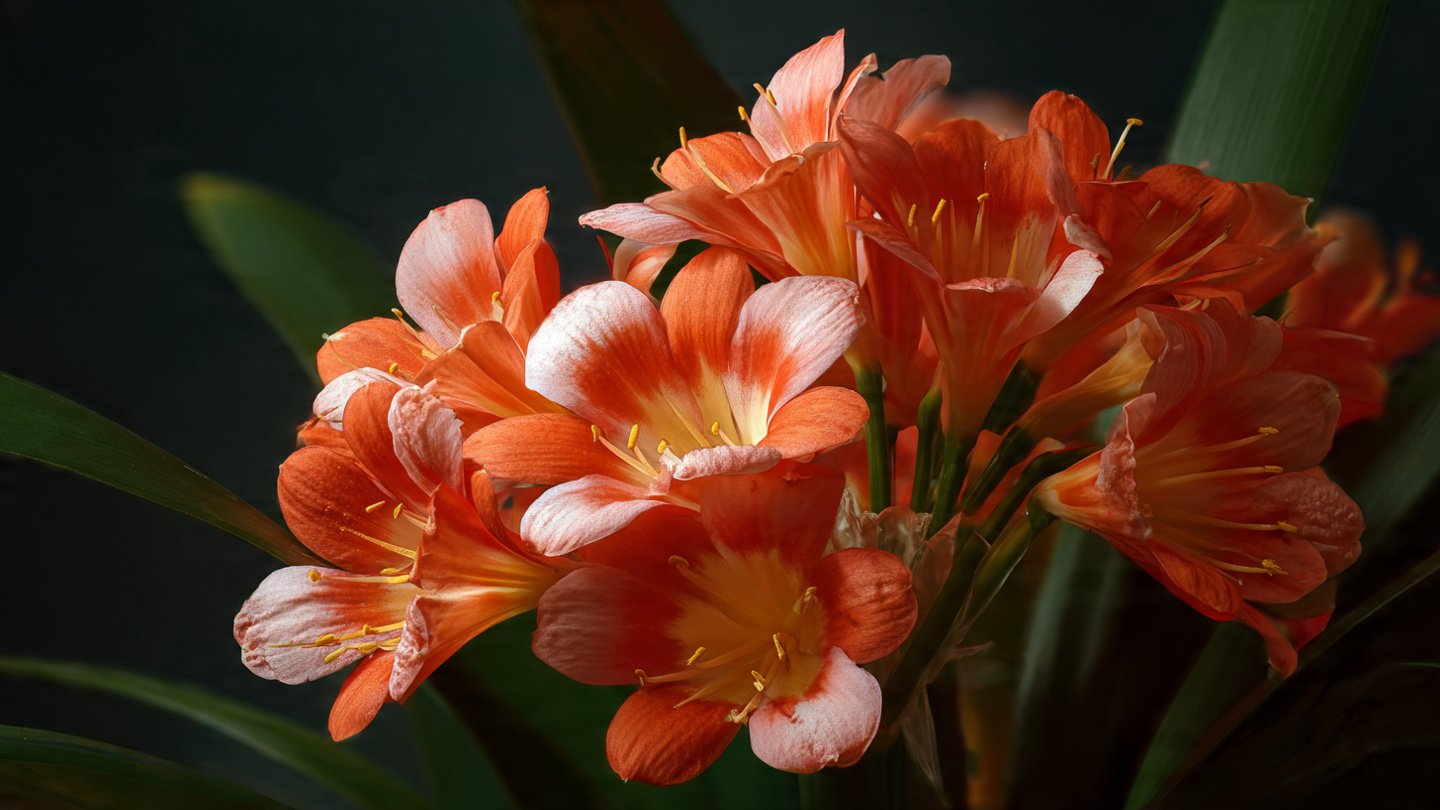
Clivia flowers, with their vibrant orange, yellow, and red blooms, are a stunning addition to any indoor garden. Native to southern Africa, these perennial plants are known for their ease of care and ability to thrive in various conditions. If you’re looking to cultivate Clivia indoors throughout the year, this comprehensive guide will provide you with everything you need to know.
Understanding Clivia
Botanical Background
Latest Posts
- A Comprehensive Guide to Successfully Growing Grape Vines in Your Backyard for Beginners and Experts Alike
- Best Tips for Successful Mango Growth in Containers
- Discover the Simple Steps for Successfully Growing Coriander in a Pot
- Discovering the Ultimate Guide to Growing African Violets from Leaf Cuttings
- Simple Techniques for Successfully Growing Seedless Grapes in Home Gardens
- Ultimate Guide to Growing Balsam Plants Naturally for Vibrant Blooms
- Discover the Secrets to Growing Lush Leek Leaves with Simple Hacks for Beginners
- How to Successfully Cultivate Sweet Cherries in the Unique Climate of Canada
- The Ultimate Guide to Successfully Growing Beautiful Succulent Garden Plants at Home
- A Comprehensive Guide to Growing Dhania from Seeds for Beginners
Clivia belongs to the Amaryllidaceae family and includes several species, with Clivia miniata being the most popular for indoor cultivation. The plant’s striking flower clusters rise dramatically above its lush, green foliage, creating an eye-catching display. Clivias are also celebrated for their resilience; they can adapt to slightly neglectful conditions, making them ideal for both novice and experienced gardeners.
Ideal Conditions
To successfully grow Clivia indoors, understanding its ideal conditions is key:
-
Light: Clivia prefers bright, indirect light. Direct sunlight can scorch the leaves, while too little light can hinder blooming. A south or east-facing window is usually ideal.
-
Temperature: These plants thrive in temperatures ranging from 65°F to 80°F (18°C to 27°C). They prefer cooler temperatures during their dormancy period in winter.
-
Humidity: Clivia enjoys moderate humidity. While average indoor humidity levels are often sufficient, particularly dry air can be remedied by misting the leaves or using a humidifier.

Potting Your Clivia
Choosing the Right Pot
-
Size and Material: Select a pot that allows for drainage. A clay pot is excellent for preventing over-watering, while plastic pots retain moisture better.
-
Repotting: Clivias prefer to be slightly root-bound, so repotting every 2-3 years is usually sufficient. Do so in the spring, just before the growing season begins.
Soil Requirements
Use a well-draining potting mix. A combination of potting soil, perlite, and sand works well. This mix ensures that the roots receive the right balance of moisture and air.
Watering and Fertilizing
Watering Guidelines
-
Frequency: Clivias prefer to dry out slightly between watering. Typically, watering every 1-2 weeks should suffice. The frequency may vary based on the season and humidity levels.
-
Signs of Over-watering: Yellowing leaves and root rot are indicators of over-watering. Always check the top inch of soil before watering.
Fertilization
During the growing season (spring and summer), feed your Clivia with a balanced fertilizer, diluted to half strength. Opt for a fertilizer that is rich in potassium. In the fall and winter, reduce or stop fertilizing, allowing the plant to go dormant.
Propagation
Clivias can be propagated in two primary ways:
-
Offsets: Once your plant has matured (usually after about 3-4 years), it will produce offsets or “pups”. Gently separate these from the parent plant during repotting.
-
Seeds: Clivia can be grown from seed, but this method takes longer and requires more attention. Seeds should be sown immediately after harvesting, as their viability decreases with time.
Managing Growth and Blooming
Growth Cycle
-
Dormancy: Clivias require a period of cool dormancy in late fall and winter to encourage blooming. During this time, reduce water and provide cooler temperatures (around 50°F to 60°F/10°C to 15°C).
-
Blooming Period: Typically, Clivias bloom in late winter to early spring. Once you notice flower stalks developing, resume regular watering and feeding to encourage growth.
Flower Care
-
Removing Spent Blooms: After flowering, cut off the flower stalk to allow the plant to focus energy on foliage growth.
-
Pest Management: Regularly inspect your Clivia for pests such as aphids or mealybugs. Treat infestations promptly with insecticidal soap or neem oil.
Common Problems
Yellowing Leaves
If your Clivia’s leaves are turning yellow, check for signs of over-watering, nutrient deficiency, or poor light. Adjust care accordingly.
Lack of Blooms
Several factors can cause a Clivia to fail to bloom, including insufficient light, lack of dormancy, or being too young. Ensure your plant is at least 3-4 years old and has undergone the necessary dormancy period.
Tips for Success
-
Rotate Your Clivia: To ensure even light distribution, rotate your plant every month.
-
Avoid Fast Draining Potting Mix: While Clivias need good drainage, they shouldn’t be in a mix that drains too quickly. Balance is key.
-
Monitor Light Levels: If you notice your Clivia stretching out (elongated leaves), it may need more light.
-
Be Patient: Clivias can take several years to bloom, particularly when grown from seeds.
FAQs
Q1: Can Clivia flowers bloom more than once a year?
A: Generally, Clivias bloom once a year, in spring. However, with optimal conditions and care, it’s possible for them to produce multiple flower stalks.
Q2: Is Clivia toxic to pets?
A: Clivia is generally considered non-toxic to cats and dogs, but ingestion can lead to gastrointestinal upset. Monitor your pets around the plant.
Q3: How do I know if my Clivia needs water?
A: The best way to determine if your Clivia needs water is by checking the top inch of soil. If it feels dry, it’s time to water.
Q4: Why are my Clivia leaves drooping?
A: Drooping leaves can indicate over-watering, under-watering, or that the plant is experiencing temperature stress. Assess your care routine to identify the cause.
Q5: How long does it take for Clivia seeds to germinate?
A: Clivia seeds typically take 2-4 months to germinate under optimal conditions.
Q6: Can I grow Clivia in low light conditions?
A: While Clivia can tolerate low light, it may not bloom. Bright, indirect light is ideal for encouraging flowers.
Conclusion
Growing Clivia flowers indoors can be a delightful and rewarding experience. With the right care, attention to environmental conditions, and a little patience, you can enjoy the stunning blooms of Clivia year-round. Whether you’re an experienced horticulturist or a beginner, following this ultimate guide will help ensure your Clivia flourishes beautifully in your indoor garden. Happy gardening!