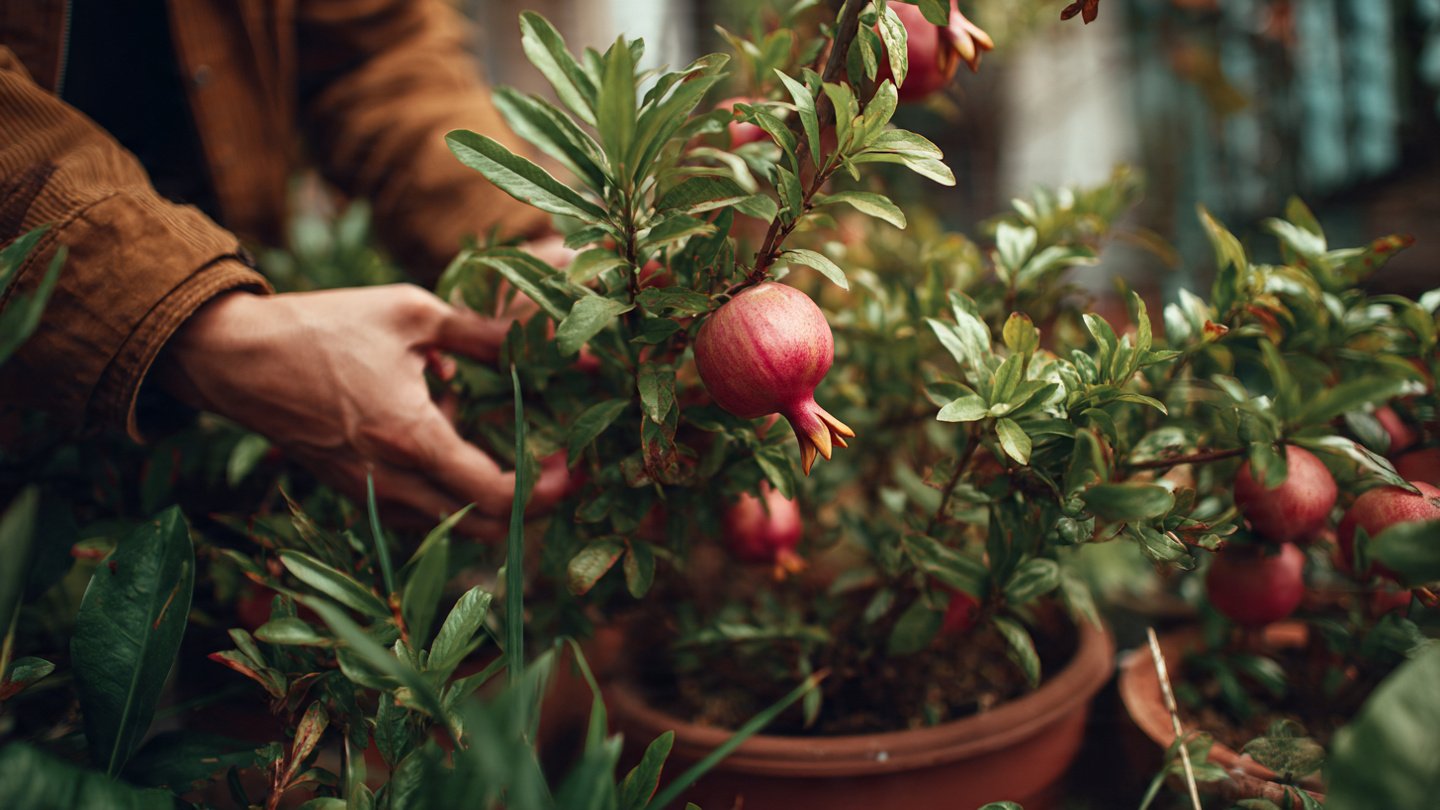
Pomegranates, known for their vibrant color and unique flavor, are not only delicious but also packed with antioxidants and nutrients. For many home gardeners, the idea of growing their own pomegranate tree in a container can be an exciting prospect. This guide will walk you through everything you need to know about successfully cultivating pomegranates in pots, from choosing the right variety to caring for your plants.
Why Grow Pomegranates in Containers?
Growing pomegranates in containers offers several advantages, especially for home gardeners with limited space:
Latest Posts
- A Comprehensive Guide to Successfully Growing Grape Vines in Your Backyard for Beginners and Experts Alike
- Best Tips for Successful Mango Growth in Containers
- Discover the Simple Steps for Successfully Growing Coriander in a Pot
- Discovering the Ultimate Guide to Growing African Violets from Leaf Cuttings
- Simple Techniques for Successfully Growing Seedless Grapes in Home Gardens
- Ultimate Guide to Growing Balsam Plants Naturally for Vibrant Blooms
- Discover the Secrets to Growing Lush Leek Leaves with Simple Hacks for Beginners
- How to Successfully Cultivate Sweet Cherries in the Unique Climate of Canada
- The Ultimate Guide to Successfully Growing Beautiful Succulent Garden Plants at Home
- A Comprehensive Guide to Growing Dhania from Seeds for Beginners
- Space-Saving: Containers can fit on patios, balconies, and even small yards, making it feasible to grow fruit in urban areas.
- Mobility: You can move your pomegranate tree to capture sunlight or avoid frost.
- Controlled Environment: This method allows you to better control soil drainage and nutrients.
Choosing the Right Variety
When growing pomegranates in containers, selecting the right variety is crucial. Here are a few popular types:
- ‘Wonderful’: This is the most common commercial variety. It produces large, sweet fruits but requires a sunny environment.
- ‘Angel Red’: Known for its juicy, sweet seeds and high yield, this variety is perfect for container growing due to its compact size.
- ‘Nana’: A dwarf variety, ‘Nana’ is particularly suited for pot culture, reaching only 2-3 feet in height and producing smaller yet delicious fruits.
Choosing the Right Container
Selecting the right pot is essential for your pomegranate tree. Here are key considerations:

- Size: Start with a container that is at least 12-14 inches deep, with a wide opening to allow the roots to spread. As your tree grows, consider transferring it to a larger pot (up to 20 inches).
- Material: Opt for materials that provide good insulation and drainage, such as terracotta or plastic. Make sure the container has adequate drainage holes.
- Weight: Keep in mind that pomegranate trees can become heavy when they bear fruit. Choose containers that are easy to move if necessary.
Soil Requirements
Pomegranate trees thrive in well-draining soil. Here’s how to prepare the ideal mix:
- Base: Use a high-quality potting mix that is specifically formulated for container plants.
- Amendments: Add equal parts of coarse sand and peat moss or coconut coir to improve aeration and water retention.
- pH Level: The ideal soil pH for pomegranates is between 5.5 and 7.0. Test your soil and adjust if necessary with lime or sulfur.
Planting Your Pomegranate Tree
Step-by-Step Process
- Timing: The best time to plant a pomegranate tree is in the spring after the last frost.
- Prep the Container: Fill your container with the prepared soil mix, leaving about 2 inches of space from the top.
- Planting: Gently remove the pomegranate tree from its nursery pot. Place the root ball in the center of your pot and backfill with soil.
- Watering: After planting, water thoroughly to settle the soil around the roots.
Providing the Optimal Environment
Light Requirements
Pomegranates require full sun to thrive. Ensure your tree receives at least 6-8 hours of direct sunlight daily. If you’re in a region with intense summer heat, consider providing some shade during the hottest part of the day to prevent leaf scorch.
Temperature and Humidity
Pomegranates are drought-tolerant but prefer mild temperatures:
- Ideal Temperature: They thrive in temperatures ranging from 70°F to 85°F.
- Winter Care: If you live in a colder climate, consider bringing your container indoors during the winter months to avoid frost damage.
Watering and Fertilization
Watering
- Frequency: Water your pomegranate tree when the top 2 inches of soil feels dry. In general, this could range from once a week to more often in hotter months.
- Method: Water deeply to encourage deep root growth, and ensure excess water drains out.
Fertilization
Fertilize your pomegranate tree during the growing season, ideally every 4-6 weeks:
- Type: Use a balanced fertilizer (like a 10-10-10 NPK) or one formulated for fruit trees.
- Application: Follow the instructions on the package for dosage, and avoid over-fertilization as it can harm the tree.
Pruning and Training Your Pomegranate Tree
Pruning is essential for maintaining the shape and health of your pomegranate tree:
- Timing: Prune in late winter or early spring before new growth begins.
- Method: Remove any dead or crossed branches and thin out crowded areas to foster air circulation. Aim to maintain an open center for better light penetration.
- Goal: Regular pruning helps to encourage a bushy shape and enhances fruit production.
Pest and Disease Management
Pomegranates are generally resistant to many pests and diseases, but keep an eye out for the following:
- Pests: Aphids, spider mites, and mealybugs can be problematic. Use insecticidal soap or neem oil for treatment.
- Diseases: Root rot can occur if the soil is too wet. Ensure proper drainage to minimize risk.
Harvesting Your Pomegranates
Pomegranates generally take about 6-7 months to mature after flowering. Here’s how to know when they’re ready:
- Color: The skin should be a vibrant red or yellow-red, depending on the variety.
- Size: Mature fruits will be larger and rounder compared to young, immature ones.
- Sound: Tap the fruit; if it sounds hollow, it’s likely ripe.

Harvesting Process
- Use pruning shears to cut the fruit from the tree, leaving a short stem attached.
- Handle gently to avoid bruising.
FAQs Section
How long does it take for a pomegranate tree to bear fruit?
Generally, pomegranate trees will begin to bear fruit 2-3 years after planting, depending on the variety and growing conditions.
Can I grow pomegranates indoors?
Yes, pomegranates can be grown indoors if they receive sufficient light, ideally from a south-facing window. Be mindful of humidity levels and temperature.
How often should I fertilize pomegranate trees?
Fertilize pomegranate trees every 4-6 weeks during the growing season with a balanced fertilizer. Reduce or stop fertilization in late fall and winter.
What size container is best for growing pomegranates?
Start with at least a 12-14 inch pot. As your tree grows, transfer to a larger container (up to 20 inches) to allow for root expansion.

How do I overwinter my pomegranate tree?
If you live in a region with frost, it’s best to bring your pomegranate tree indoors during the winter months. Keep it in a cool, bright location.
Are pomegranates self-pollinating?
Yes, pomegranates are self-pollinating, but planting more than one tree can increase fruit yield due to cross-pollination.
Can I grow pomegranates from seed?
While it is possible to grow pomegranates from seeds, it’s often more practical to start with a nursery-grown tree to ensure better fruit quality and faster yields.
What are the signs of overwatering?
Signs of overwatering include yellowing leaves, wilting, and root rot. Make sure your container has good drainage and that you allow the soil to dry out between waterings.
Conclusion
Growing pomegranates in containers can be a rewarding venture, allowing you to enjoy the beauty and benefits of this ancient fruit without the need for large garden space. By following the guidelines outlined above, you can successfully cultivate pomegranates and look forward to a fruitful harvest in your home garden. With patience and care, you’ll enjoy not just the fruits of your labor but also the joy of nurturing a plant that has been revered across cultures for centuries. Happy gardening!