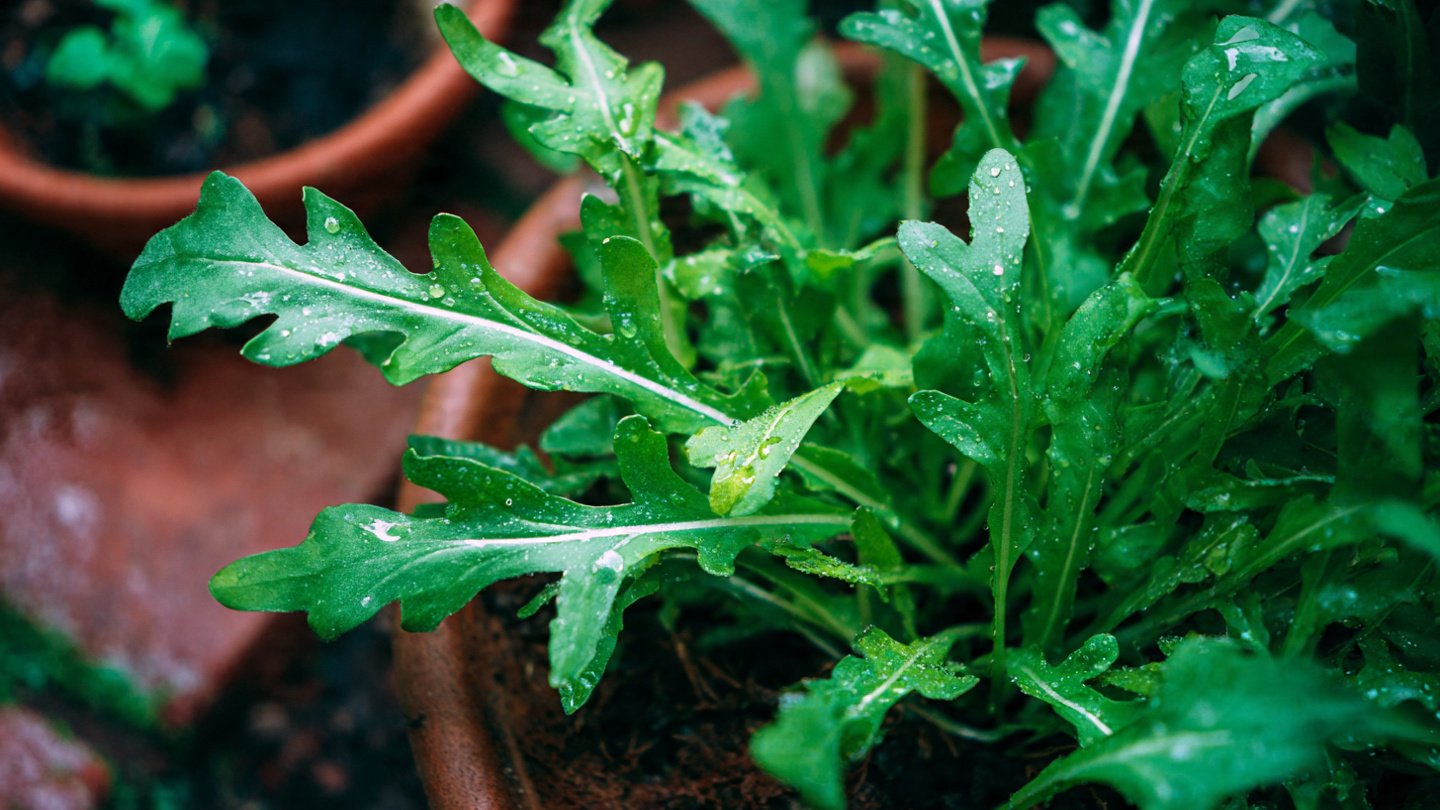
Arugula, also known as rocket, is a peppery, leafy green that adds a delightful flavor to salads, pizzas, and various dishes. It’s not only easy to grow but also quick to harvest, making it a favorite among home gardeners. This guide will take you through the essential steps to cultivate arugula in your home garden, ensuring you have a bountiful supply of this nutritious green.
Why Grow Arugula?
Before diving into the cultivation process, let’s explore why you should consider growing arugula:
Latest Posts
- A Comprehensive Guide to Successfully Growing Grape Vines in Your Backyard for Beginners and Experts Alike
- Best Tips for Successful Mango Growth in Containers
- Discover the Simple Steps for Successfully Growing Coriander in a Pot
- Discovering the Ultimate Guide to Growing African Violets from Leaf Cuttings
- Simple Techniques for Successfully Growing Seedless Grapes in Home Gardens
- Ultimate Guide to Growing Balsam Plants Naturally for Vibrant Blooms
- Discover the Secrets to Growing Lush Leek Leaves with Simple Hacks for Beginners
- How to Successfully Cultivate Sweet Cherries in the Unique Climate of Canada
- The Ultimate Guide to Successfully Growing Beautiful Succulent Garden Plants at Home
- A Comprehensive Guide to Growing Dhania from Seeds for Beginners
- Fast-growing: Arugula matures quickly, usually in 30 to 40 days, allowing for multiple harvest cycles throughout the growing season.
- Nutrient-rich: Packed with vitamins A, C, and K, along with antioxidants, arugula is a healthful addition to your diet.
- Pest-resistant: Arugula is less prone to pests and diseases compared to other leafy greens.
- Versatility: Its distinct, peppery flavor enhances salads, garnishes, and cooked dishes.
Step 1: Choosing the Right Location
Sunlight Requirements
Arugula thrives in an area that receives full sun to partial shade. Ideally, it should get about 4 to 6 hours of sunlight each day. If you live in a particularly hot climate, some afternoon shade can help prevent the plant from bolting (going to seed) too quickly.
Soil Preparation
Arugula prefers light, well-draining soil. Here’s how to prepare your garden bed for planting:

- Clear the Area: Remove weeds, rocks, and debris.
- Amend the Soil: Mix in organic compost or well-rotted manure to enhance soil fertility.
- Check pH Levels: Arugula does well in slightly acidic to neutral soil (pH 6.0 to 7.0). You can test your soil using a home soil kit and adjust the pH if necessary.
Step 2: Sowing Seeds
When to Plant
Arugula can be sowed in early spring or late summer for a fall harvest. It thrives in cooler temperatures, ideally between 45°F and 65°F. In warmer regions, consider sowing in fall or early spring.
Planting Seeds
- Direct Sowing: Sow seeds directly into the prepared garden bed. Plant them about 1/4 inch deep and 1 inch apart.
- Row Spacing: Space rows about 12 inches apart to allow ample growth.
- Watering: After sowing, water gently to moisten the soil but avoid waterlogging.
Step 3: Caring for Arugula
Watering
Consistent moisture is crucial for arugula. Water the plants regularly, especially during dry spells. It’s best to water in the early morning or late afternoon when the sun isn’t at its peak.
Fertilizing
While arugula can grow in nutrient-rich soil, an additional feeding can boost growth:
- Organic Fertilizer: Use a balanced organic fertilizer or compost tea every few weeks.
- Nitrogen Needs: Arugula particularly benefits from nitrogen, so a high-nitrogen fertilizer can promote lush growth.
Weeding and Mulching
Regularly check for weeds that compete for nutrients and water. Mulching around the plants can help suppress weeds and retain moisture in the soil.
Step 4: Harvesting
Arugula can be harvested once the leaves reach a height of about 4 to 6 inches. Here’s how to do it:
- Cutting: Use clean, sharp scissors to cut leaves. You can harvest the outer leaves first, allowing the inner leaves to continue growing.
- Harvesting Schedule: Frequent harvesting encourages new growth, so you can enjoy fresh arugula over multiple weeks.
- Timing: It’s best to harvest in the morning when the leaves are crisp and flavorful.
Step 5: Preventing Bolting
Bolting occurs when arugula starts to flower and produce seeds, which can lead to a bitter taste. To prevent bolting:
- Monitor Temperature: If temperatures rise too high (over 70°F), consider providing partial shade.
- Succession Planting: Sow seeds every few weeks to ensure a continuous supply of tender leaves.
Step 6: Dealing with Pests and Diseases
While arugula is quite resilient, it can be susceptible to certain pests and diseases:
- Common Pests: Keep an eye out for aphids, flea beetles, and whiteflies. Hand-picking, insecticidal soap, or neem oil can help manage these pests.
- Diseases: Fungal diseases like downy mildew can occur in humid conditions. Ensure good air circulation and avoid overhead watering to prevent these issues.
Step 7: Storing and Using Arugula
After harvesting, you can store arugula in the refrigerator:
- Storage Method: Place leaves in a breathable bag or container. Use a damp paper towel to keep them from wilting.
- Shelf Life: Fresh arugula can last about a week in the refrigerator.
Culinary Uses
Arugula can be enjoyed in numerous ways:
- Salads: Add fresh arugula to your salads for a peppery kick.
- Pizzas and Sandwiches: Use it as a topping for pizzas or in sandwiches.
- Sautéed or Steamed: Lightly cook arugula for a flavorful side dish.
FAQs
1. Can I grow arugula in containers?
Yes, arugula grows well in containers. Ensure the container is at least 6 inches deep and has drainage holes.
2. How often should I water arugula?
Water regularly, especially in dry conditions. The soil should be consistently moist but not waterlogged.
3. Can I grow arugula indoors?
Yes, arugula can be grown indoors near a sunny window or under grow lights. Ensure adequate light for optimal growth.

4. How can I extend the arugula growing season?
To extend the season, consider using row covers in colder months or planting in a greenhouse.
5. Is arugula a perennial plant?
Arugula is typically grown as an annual and is harvested before it flowers. However, in mild climates, it can act like a short-lived perennial.
6. What should I do if my arugula tastes bitter?
Bitterness can occur due to high temperatures or aging leaves. Harvest younger leaves regularly to avoid bitterness.
7. Can I save arugula seeds for next year?
Yes, you can save seeds from the flowers that form after bolting. Collect them when they are fully dried and store them in a cool, dry place.
Conclusion
Growing arugula in your home garden is a rewarding endeavor. With its quick growth cycle and delicious flavor, you’ll be able to enjoy fresh greens from your garden in no time. By following these easy steps and caring for your plants, you can cultivate a thriving arugula patch that adds zest to your meals all season long. Happy gardening!