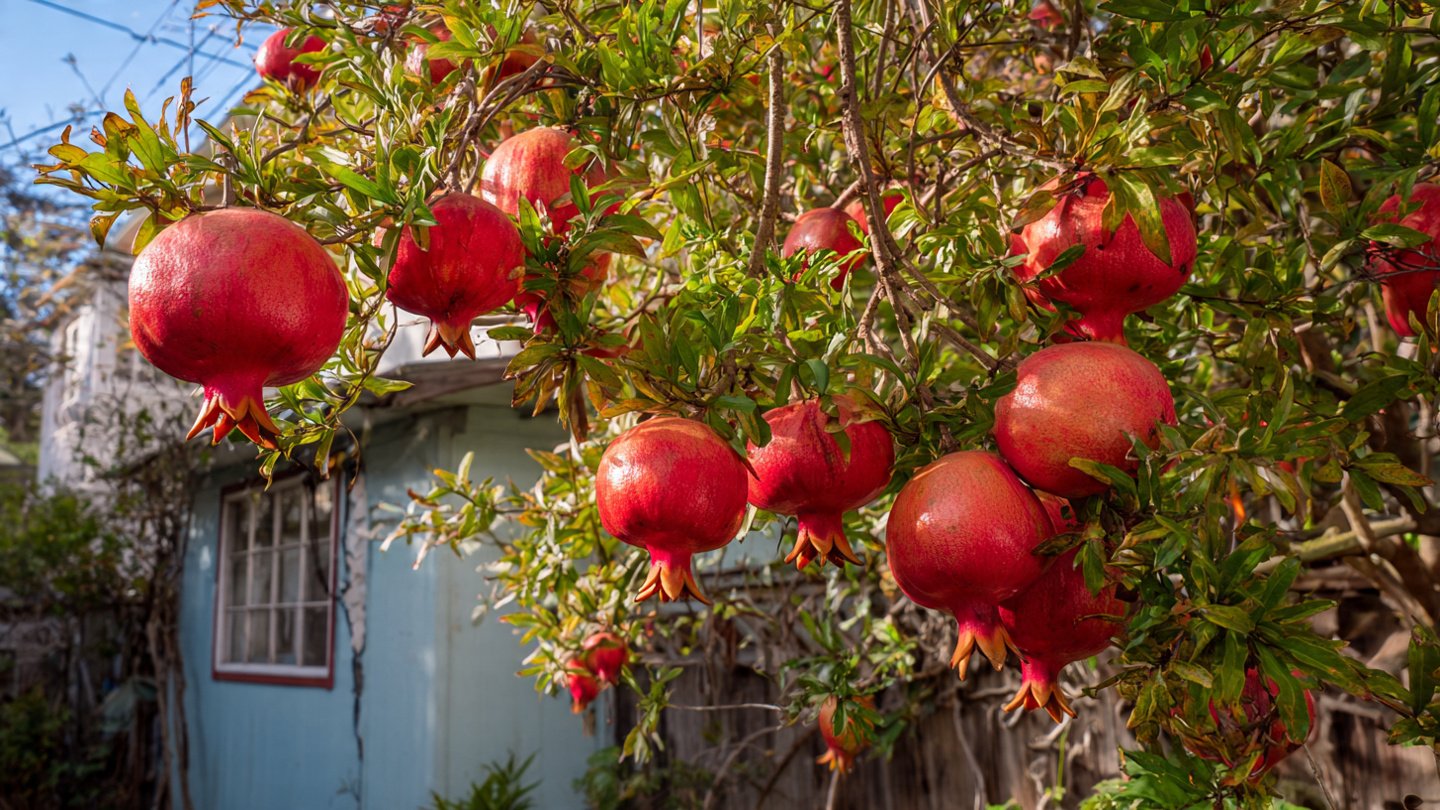
Pomegranate trees (Punica granatum) are not only beautiful but also reward you with delicious, juicy fruits. Originating from the regions of the Mediterranean, pomegranates thrive in warm, dry climates. Whether you’re a seasoned gardener or a beginner, these stunning trees can make a delightful addition to your backyard. Here’s a comprehensive guide to help you successfully grow your own pomegranate tree.
1. Choosing the Right Variety
When selecting a pomegranate tree for your backyard, you’ll first want to consider the specific variety. There are many types, each with unique characteristics:
Latest Posts
- A Comprehensive Guide to Successfully Growing Grape Vines in Your Backyard for Beginners and Experts Alike
- Best Tips for Successful Mango Growth in Containers
- Discover the Simple Steps for Successfully Growing Coriander in a Pot
- Discovering the Ultimate Guide to Growing African Violets from Leaf Cuttings
- Simple Techniques for Successfully Growing Seedless Grapes in Home Gardens
- Ultimate Guide to Growing Balsam Plants Naturally for Vibrant Blooms
- Discover the Secrets to Growing Lush Leek Leaves with Simple Hacks for Beginners
- How to Successfully Cultivate Sweet Cherries in the Unique Climate of Canada
- The Ultimate Guide to Successfully Growing Beautiful Succulent Garden Plants at Home
- A Comprehensive Guide to Growing Dhania from Seeds for Beginners
- Wonderful: This is one of the most popular varieties known for its large, sweet fruits and vibrant red skin.
- Angel Red: Known for its juicy seeds and high juice content, this variety can thrive in hotter climates.
- Sweet: This variety has a sweeter taste, making it a favorite for fresh eating.
- Pink Satin: This ornamental variety has beautiful pink flowers and is ideal for small gardens.
Make sure to choose a variety that can adapt well to your local climate and growing conditions.
2. Selecting the Location
Sunlight Requirements: Pomegranate trees thrive in full sun, requiring at least 6 to 8 hours of direct sunlight daily. Choose a spot that is well-lit and away from tall structures or trees that may cast shade.

Soil Quality: These trees prefer well-drained, loamy soil with a pH between 5.5 and 7.0. If your soil is heavy clay, amend it with sand or organic matter to improve drainage.
Space: Ensure adequate spacing, as pomegranate trees can grow quite large. Plan for at least 10 to 15 feet of clearance around the tree to allow for proper growth.
3. Planting Your Pomegranate Tree
Timing: The best time to plant a pomegranate tree is in early spring after the last frost. You can also plant in the fall in warmer climates.
Preparation: Dig a hole that is about twice the width of the root ball and just as deep. This helps the roots spread out easily.
Planting: Position the tree in the center of the hole at the same depth it was growing in the nursery. Backfill with soil, ensuring there are no air pockets around the roots. Water it thoroughly after planting.
4. Watering Techniques
Establishment Phase: Initially, water your pomegranate tree weekly for the first few months to help establish the root system. Ensure the soil remains moist but not waterlogged.
Routine Watering: After the first few months, reduce the frequency to every two weeks. In hot climates, you may need to water more frequently.
Mulching: Applying a layer of mulch around the base of the tree can help retain moisture, suppress weeds, and regulate soil temperature.
5. Fertilization
Nutrient Needs: Pomegranates are not heavy feeders but will benefit from fertilization. Use a balanced fertilizer (like 10-10-10) once or twice a year. Feed it in the spring when new growth appears and again in midsummer.
Organic Options: You can also use well-rotted compost or manure to enrich the soil. This not only provides nutrients but also improves soil structure.
6. Pruning for Health and Yield
When to Prune: Prune in late winter or early spring before new growth begins. This is the best time to shape the tree and remove any dead or diseased branches.
Techniques: Start by removing any crossing branches, as they can rub against each other and create wounds that may invite disease. Focus on maintaining an open center to allow sunlight to penetrate.
Yield Management: To encourage better fruit production, thin out fruit clusters if they are too dense. This allows more energy to be directed to fewer fruits, resulting in larger and sweeter pomegranates.

7. Pest and Disease Control
Common Pests: The most common pests affecting pomegranates include aphids, fruit flies, and spider mites. Use insecticidal soap or neem oil sprays to combat these pests.
Diseases to Watch For: Fungal diseases like leaf spot can be an issue in overly wet conditions. Ensure proper airflow and avoid overhead watering to mitigate this.
Regular Monitoring: Regularly inspect your tree for any signs of pests or diseases. Early detection is key to effective management, so keep a close eye on foliage and fruit.
8. Pollination
Most pomegranate varieties are self-pollinating, but cross-pollination can enhance fruit yield. If you’re planting multiple varieties, consider positioning them close together to encourage bees and other pollinators.
9. Harvesting Your Pomegranates
Timing: Pomegranates typically ripen in late summer to fall, depending on your climate. The fruits will change color from green to a vibrant red.
Checking Ripeness: A ripe pomegranate should feel heavy for its size, and you may hear the seeds rattling inside when shaken gently. The skin should be firm and lightly cracked in some areas.

Harvesting Technique: Use pruning shears to cut the fruit from the tree rather than pulling it, which can damage both the fruit and the tree.
10. Winter Care
In colder regions, pomegranate trees may require additional protection during winter. If temperatures drop below 20°F (-6°C), consider wrapping the trunk with burlap or planting in a pot to bring it indoors.
Mulching: Apply mulch around the base to protect the roots. If your tree is in a pot, move it to a sheltered location, such as a garage or greenhouse.
FAQs
Q1: How long does it take for a pomegranate tree to bear fruit?
Pomegranate trees usually begin to bear fruit within 2 to 3 years of planting, but optimal production often occurs around 4 to 5 years.
Q2: Can pomegranate trees grow in pots?
Yes, pomegranate trees can thrive in pots! Choose a large container with good drainage and use well-draining potting mix. Ensure to water regularly and provide adequate sunlight.

Q3: How often should I water my pomegranate tree?
Watering frequency depends on your climate and soil conditions, but generally, once a week is sufficient for the first few months and then every two weeks after that.
Q4: What is the ideal climate for growing pomegranate trees?
Pomegranate trees prefer a warm, dry climate. They thrive in USDA hardiness zones 8-10, where summers are hot and winters are mild.
Q5: What can I do about pests on my pomegranate tree?
Common pests include aphids and fruit flies. Using insecticidal soap or neem oil can help control these pests. Regular monitoring will help in early detection.
Q6: Is it necessary to prune my pomegranate tree?
Pruning is not strictly necessary, but it helps improve air circulation, shape the tree, and encourages healthy fruit production. Regularly remove any dead or crossing branches to maintain tree health.
Conclusion
Growing a pomegranate tree in your backyard can be a rewarding experience, yielding vibrant fruits and enhancing your garden’s aesthetic beauty. By following the guidelines outlined in this article—from selecting the right variety to understanding the nuances of care and maintenance—you’ll be well on your way to enjoying the sweet rewards of your labor. So roll up your sleeves and get ready to plant your pomegranate tree—it’s a garden project you won’t regret!