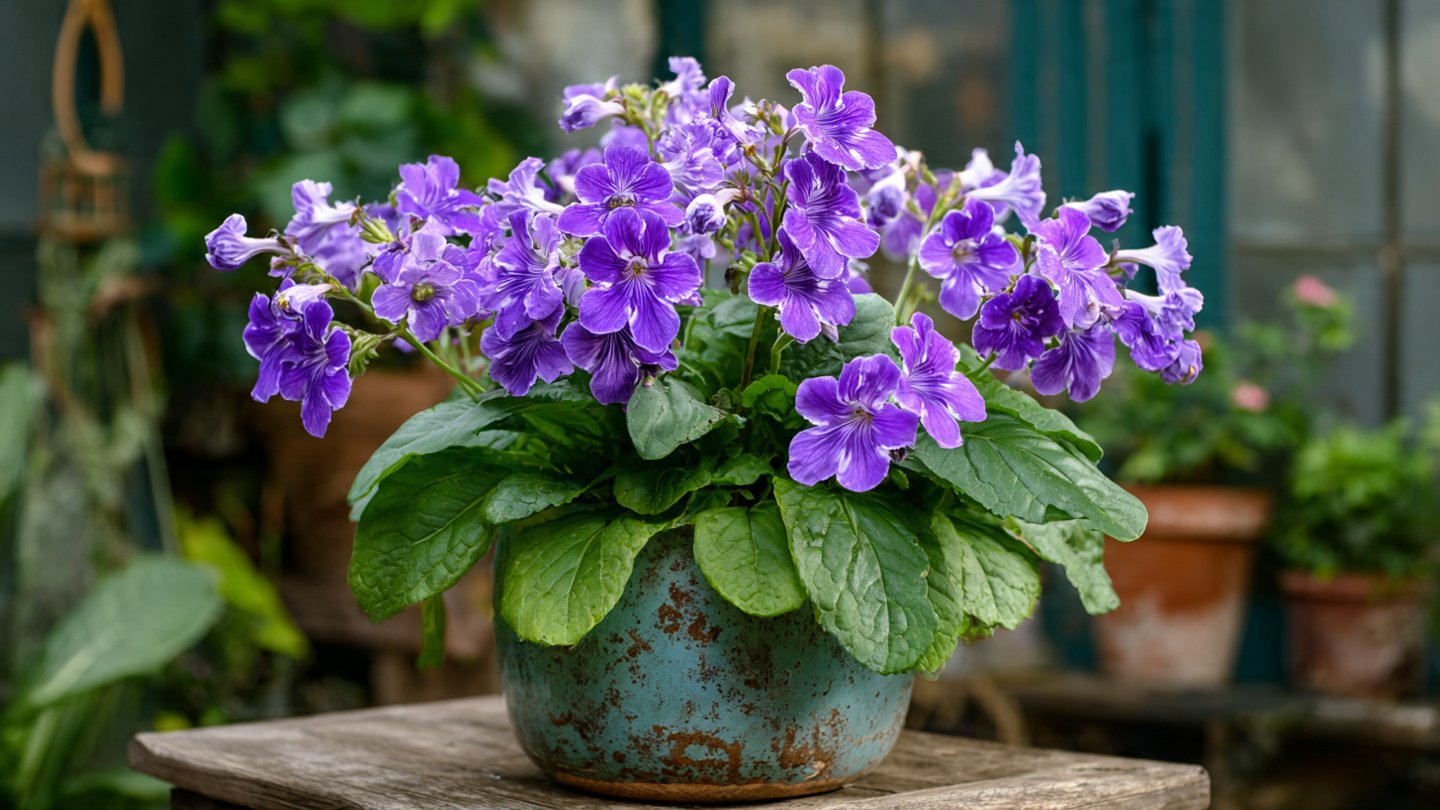
Streptocarpus, commonly known as Cape Primrose, is a captivating houseplant cherished for its vibrant flowers and lush foliage. Originating from South Africa, this perennial plant is a member of the Gesneriaceae family, which also includes the well-known African violet. In this guide, you’ll learn everything you need to know about cultivating Streptocarpus successfully in your home.
1. Understanding Streptocarpus
1.1 Botanical Characteristics
Latest Posts
- A Comprehensive Guide to Successfully Growing Grape Vines in Your Backyard for Beginners and Experts Alike
- Best Tips for Successful Mango Growth in Containers
- Discover the Simple Steps for Successfully Growing Coriander in a Pot
- Discovering the Ultimate Guide to Growing African Violets from Leaf Cuttings
- Simple Techniques for Successfully Growing Seedless Grapes in Home Gardens
- Ultimate Guide to Growing Balsam Plants Naturally for Vibrant Blooms
- Discover the Secrets to Growing Lush Leek Leaves with Simple Hacks for Beginners
- How to Successfully Cultivate Sweet Cherries in the Unique Climate of Canada
- The Ultimate Guide to Successfully Growing Beautiful Succulent Garden Plants at Home
- A Comprehensive Guide to Growing Dhania from Seeds for Beginners
Streptocarpus plants are characterized by their wide variety of flower shapes and colors, ranging from soft pastels to vivid hues. The leaves are typically large, velvety, and form a rosette. This unique appearance makes them a favorite among plant enthusiasts.
1.2 Popular Varieties
Some popular varieties include:
- Streptocarpus ‘Wilms’: Showcases deep blue flowers with white throats.
- Streptocarpus ‘Bristol’s Dancer’: Features rich purple blooms with ruffled edges.
- Streptocarpus ‘Raspberry Ripple’: Known for its striking bicolor petals.
2. Growing Conditions
2.1 Light Requirements
Streptocarpus thrives in bright, indirect light. Too much direct sunlight can scorch the leaves, while insufficient light can hinder blooming. A south or west-facing window is ideal, but filtered light through sheer curtains can also work well.

2.2 Temperature and Humidity
These plants prefer temperatures between 18-24°C (65-75°F). They thrive in moderate to high humidity levels, making them perfect for bathrooms or kitchens. If your home is dry, consider placing a humidifier nearby or using a pebble tray with water.
2.3 Soil Type
A well-draining potting soil is crucial for Streptocarpus. A mix designed for African violets is ideal, as it provides the necessary aeration and moisture retention. Alternatively, you can create your own mix using:
- 50% peat moss
- 25% perlite
- 25% coarse sand
3. Watering
3.1 Finding the Right Balance
Overwatering is one of the primary causes of failure with Streptocarpus. Allow the top inch of soil to dry between waterings. Generally, this translates to watering every 5-7 days, but it may vary depending on humidity, temperature, and pot size.
3.2 Water Quality
Use room temperature, chlorine-free water for best results. If possible, allow tap water to sit for 24 hours before using it to let any chlorine dissipate. Rainwater or distilled water is also excellent for these plants.
4. Fertilizing

4.1 Frequency and Type
Feed your Streptocarpus every 4-6 weeks during the growing season (spring and summer). A balanced, water-soluble fertilizer with an N-P-K ratio of 20-20-20, diluted to half-strength, is ideal. Avoid fertilizing during the fall and winter months when the plant’s growth slows down.
4.2 Signs of Nutrient Deficiency
Watch for yellowing leaves or stunted growth, which may indicate a need for more nutrients. Conversely, too much fertilizer can lead to salt buildup, damaging roots. If you suspect over-fertilization, flush the soil with water to help leach excess salts.
5. Propagation Techniques
5.1 Leaf Cuttings
One of the easiest ways to propagate Streptocarpus is through leaf cuttings:
- Choose a healthy leaf and make a clean cut near the base.
- Place the cutting in a glass of water or directly into a damp potting mix.
- Cover with a plastic bag or container to maintain humidity.
- Roots should develop within 4-8 weeks.
5.2 Division
If your plant becomes root-bound, you can divide it:

- Remove the plant from its pot.
- Gently separate the roots into two or more sections.
- Replant in fresh soil.
6. Common Pests and Diseases
6.1 Pests
While Streptocarpus is generally hardy, it can suffer from pests such as:
- Mealybugs: Look for white, cotton-like clusters. Treat with insecticidal soap or neem oil.
- Spider mites: Tiny, spider-like pests that cause leaf discoloration. Increase humidity and apply insecticidal soap.
- Thrips: Characterized by silver streaks on leaves. Use sticky traps and sprays as needed.
6.2 Diseases
Most diseases stem from overwatering or poor air circulation. Fungal infections, root rot, and powdery mildew can occur if care guidelines aren’t followed. Ensure good drainage and air circulation around your plants.
7. Seasonal Care Tips
7.1 Spring and Summer
- Repotting: This is the best time to repot your Streptocarpus if it has outgrown its current container.
- Monitoring Growth: Keep an eye out for new flowers and provide consistent care.

7.2 Fall and Winter
- Reduce Watering: As growth slows, cut back on watering and eliminate fertilization.
- Provide Adequate Light: Ensure your plant gets enough light during the shorter days of winter.
8. Creating a Blooming Environment
8.1 Placement
Strategically place your Streptocarpus to ensure it receives adequate light without direct sun. A plant stand or shelf near a window can enhance visibility.
8.2 Companion Plants
Companion plants that enjoy similar conditions include:
- African violets
- Ferns
- Prayer plants
9. Common Questions and Answers (FAQs)

9.1 How often should I repot my Streptocarpus?
Generally, repot every 1-2 years or when you notice roots growing out of the drainage holes.
9.2 Why are my Streptocarpus leaves turning yellow?
Yellowing leaves can indicate overwatering, nutrient deficiency, or inadequate light. Check your care routine to diagnose the issue.
9.3 Can I grow Streptocarpus outdoors?
Streptocarpus can be grown outdoors in warm, humid climates (USDA zones 9-11) but should be brought indoors when temperatures drop below 15°C (60°F).
9.4 How long do Streptocarpus blooms last?
The vivid flowers typically last for several weeks, and with proper care, the plant can bloom repeatedly throughout the growing season.
9.5 Are all Streptocarpus varieties safe for pets?
Most varieties are considered non-toxic, but it’s always best to keep plants out of reach of pets to avoid any potential issues.
Conclusion
Cultivating Streptocarpus (Cape Primrose) can be a rewarding endeavor for any gardener. By understanding its growing conditions, watering needs, and care techniques, you can enjoy vibrant blooms and healthy foliage year-round. Whether you’re an experienced plant enthusiast or a beginner, this beautiful houseplant is sure to enhance your indoor green space. Happy gardening!