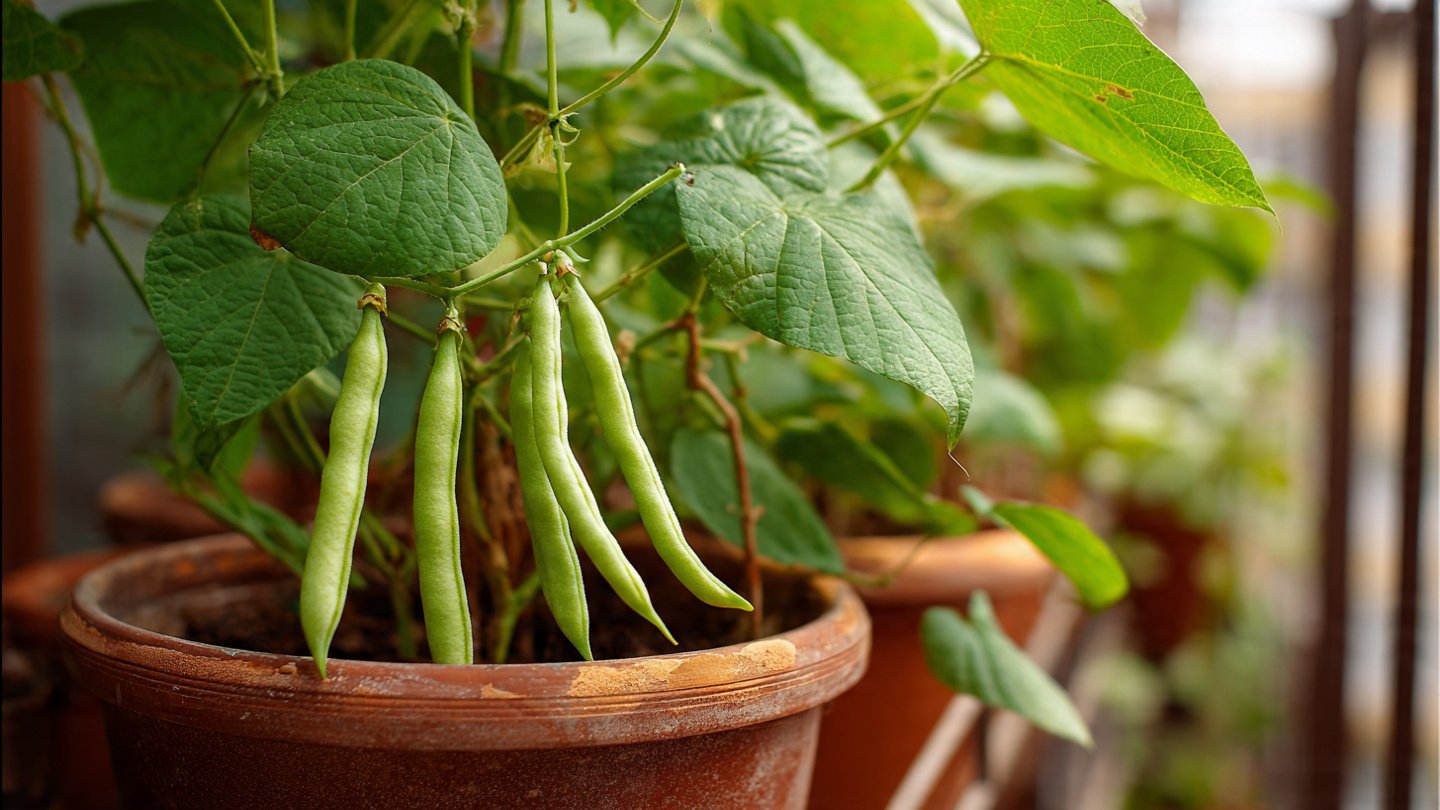
Gardening can seem daunting for beginners, but growing beans in pots is a rewarding and straightforward way to start. Not only are beans some of the easiest vegetables to cultivate, but they also provide a nutritious harvest and enhance the beauty of your outdoor or indoor space. In this comprehensive guide, we’ll walk you through the step-by-step process of growing beans in pots successfully, along with tips to ensure optimal growth.
1. Understanding Beans
Beans belong to the legume family and are popular for their protein-rich seeds. There are numerous varieties of beans, but the most common types for container gardening include:
Latest Posts
- A Comprehensive Guide to Successfully Growing Grape Vines in Your Backyard for Beginners and Experts Alike
- Best Tips for Successful Mango Growth in Containers
- Discover the Simple Steps for Successfully Growing Coriander in a Pot
- Discovering the Ultimate Guide to Growing African Violets from Leaf Cuttings
- Simple Techniques for Successfully Growing Seedless Grapes in Home Gardens
- Ultimate Guide to Growing Balsam Plants Naturally for Vibrant Blooms
- Discover the Secrets to Growing Lush Leek Leaves with Simple Hacks for Beginners
- How to Successfully Cultivate Sweet Cherries in the Unique Climate of Canada
- The Ultimate Guide to Successfully Growing Beautiful Succulent Garden Plants at Home
- A Comprehensive Guide to Growing Dhania from Seeds for Beginners
-
Green Beans (Bush and Pole Types): Perfect for home gardeners, these beans can grow well in pots. Bush varieties are compact and grow upright, whereas pole beans require support.
-
Snap Beans: These beans are popular for their tender pods that can be eaten whole.
-
Lima Beans: With a slightly different taste and texture, they require a bit more care but are worth the effort.
-
Soybeans: Known for their numerous health benefits, these would also thrive in pots.
Each type has its specific care requirements, so choosing the right variety for your climate and space is essential.
2. Essential Equipment and Supplies
Before you start planting, gather the necessary supplies:
-
Pots: Select pots that are at least 12 inches wide and 12-18 inches deep with drainage holes. Consider using a larger pot for pole beans since they need space to grow.
-
Potting Soil: Use a high-quality potting mix to provide essential nutrients and good drainage.

-
Fertilizer: Opt for organic fertilizers that are rich in potassium and phosphorus to promote blooming and pod development.
-
Support Structures: For pole beans, use stakes, trellises, or cages to provide support. Bush beans typically do not require support.
-
Watering Can: Ensure you have a way to water your plants adequately.
3. Choosing the Right Location
Beans thrive in full sun, so choose a location where they will receive at least 6-8 hours of direct sunlight each day. If you’re planting indoors, a south-facing window or a grow light setup can provide the necessary light for successful growth.
Outdoor vs. Indoor Growing
-
Outdoor: Ensure the area is protected from strong winds and heavy rains, which can damage young plants. Raised beds can also be an option.
-
Indoor: Choose a bright spot or supplement sunlight with grow lights. Maintain a consistent temperature, ideally between 70-85°F (21-29°C).
4. Planting Beans
Timing
The best time to plant beans is after the last frost date in your area. Depending on your local climate, this could range from early spring to early summer. Check local farming resources for exact dates.
Planting Steps
- sow Seeds: Plant seeds directly into the pot about 1 inch deep.
- Spacing: If planting bush beans, space seeds about 2-3 inches apart. For pole beans, plant 4-6 seeds in a pot and thin out the weaker ones later.
- Watering: Water gently but thoroughly after planting to moisten the soil. Ensure the water drains well and does not pool at the bottom of the pot.

Germination
Beans typically germinate in 7-10 days. Ensure that the soil remains consistently moist but not soggy during this period.
5. Watering and Feeding
Beans prefer a moderate amount of water. Overwatering can lead to root rot, while underwatering can stunt their growth.
Watering Tips
-
Check Soil Moisture: Stick your finger about an inch into the soil. If it’s dry, it’s time to water.
-
Water at the Base: Watering at the base helps prevent mold and mildew on the leaves.
Fertilizing
-
When to Fertilize: Apply a small amount of balanced fertilizer when the plants are 4-6 inches tall and again when flowers begin to appear.
-
Using Organic Fertilizers: Consider using compost or well-rotted manure; these can be effective at providing nutrients without the risk of chemical burn.
6. Pruning and Supporting Your Beans
Supporting Pole Beans
As pole beans grow, they will need supports. Install stakes or trellises shortly after planting, ensuring they’re secure and will support the weight of the plants when they mature.
Pruning Tips
-
Train the Vines: Gently encourage the vines to climb up the support structure.
-
Remove Dead Leaves: Regularly check for and remove any dead or yellowing leaves to increase airflow around the plant.
7. Pest and Disease Management
Beans are generally resilient but can be susceptible to pests like aphids and spider mites, along with diseases like powdery mildew.
Pest Management Tips
-
Natural Remedies: Use insecticidal soap or neem oil for pest control.
-
Companion Planting: Planting basil or marigolds nearby can help deter pests.
Disease Prevention
-
Airflow: Ensure adequate spacing between plants for airflow.
-
Avoid Overhead Watering: This can help prevent diseases related to humidity.
8. Harvesting Your Beans
Knowing when to harvest is crucial for the best taste and texture.
Harvesting Tips

-
Snap Beans: Harvest when pods are firm but still tender. You can check regularly, typically every few days.
-
Shelled Beans: For varieties like lima beans, wait until the pods change color and dry on the plant before harvesting.
How to Harvest
Gently twist or cut the beans off the plant to avoid damaging the stem. Harvest in the morning when the temperatures are cooler for the best flavor.
9. Storage and Preservation
Once harvested, store beans properly to prolong freshness.
Storage Tips
-
Fresh Beans: Store in a cool, dry place. Use a breathable container such as a paper bag.
-
Dried Beans: If you’re drying your beans (like lima or kidney beans), ensure they’re fully dried before storing in airtight containers.
Freezing Beans
If you have a surplus of fresh beans, consider freezing them. Blanching for 2-3 minutes in boiling water before freezing will retain their color and nutrients.
10. FAQs
1. Can I grow beans in any type of pot?
Yes, as long as the pot has drainage holes and is at least 12 inches deep for optimal growth.

2. How often should I water my bean plants?
Water when the top inch of soil feels dry, which usually means every few days. Adjust frequency based on weather conditions.
3. Do beans need fertilization?
Yes, beans benefit from fertilization, particularly when young plants are about 4-6 inches tall and again when flowering begins.
4. How can I prevent pests from attacking my beans?
Use companion planting, maintain good hygiene, and consider organic pest control methods like insecticidal soap or neem oil.
5. What’s the best way to support pole beans?
Use stakes, trellises, or cages. Ensure they are sturdy enough to withstand the weight of the mature vine and pods.
6. How long does it take for bean plants to produce?
Most beans will produce within 50-65 days from planting, but this may vary depending on the specific variety.
7. Can I grow beans indoors?
Yes! Beans can be successfully grown indoors with enough light and the right conditions for growth.
8. What should I do if my beans aren’t sprouting?
Ensure they are planted at the right depth and keep the soil moist. Check the temperature, and consider replanting with fresh seeds if germination doesn’t happen within 2 weeks.
Conclusion
Growing beans in pots is a fulfilling and exciting endeavor for beginners and seasoned gardeners alike. With the right knowledge and techniques, you can enjoy a bountiful harvest of nutritious beans. Following this guide, you’ll not only cultivate successfully but also appreciate the joys of gardening. Happy planting!