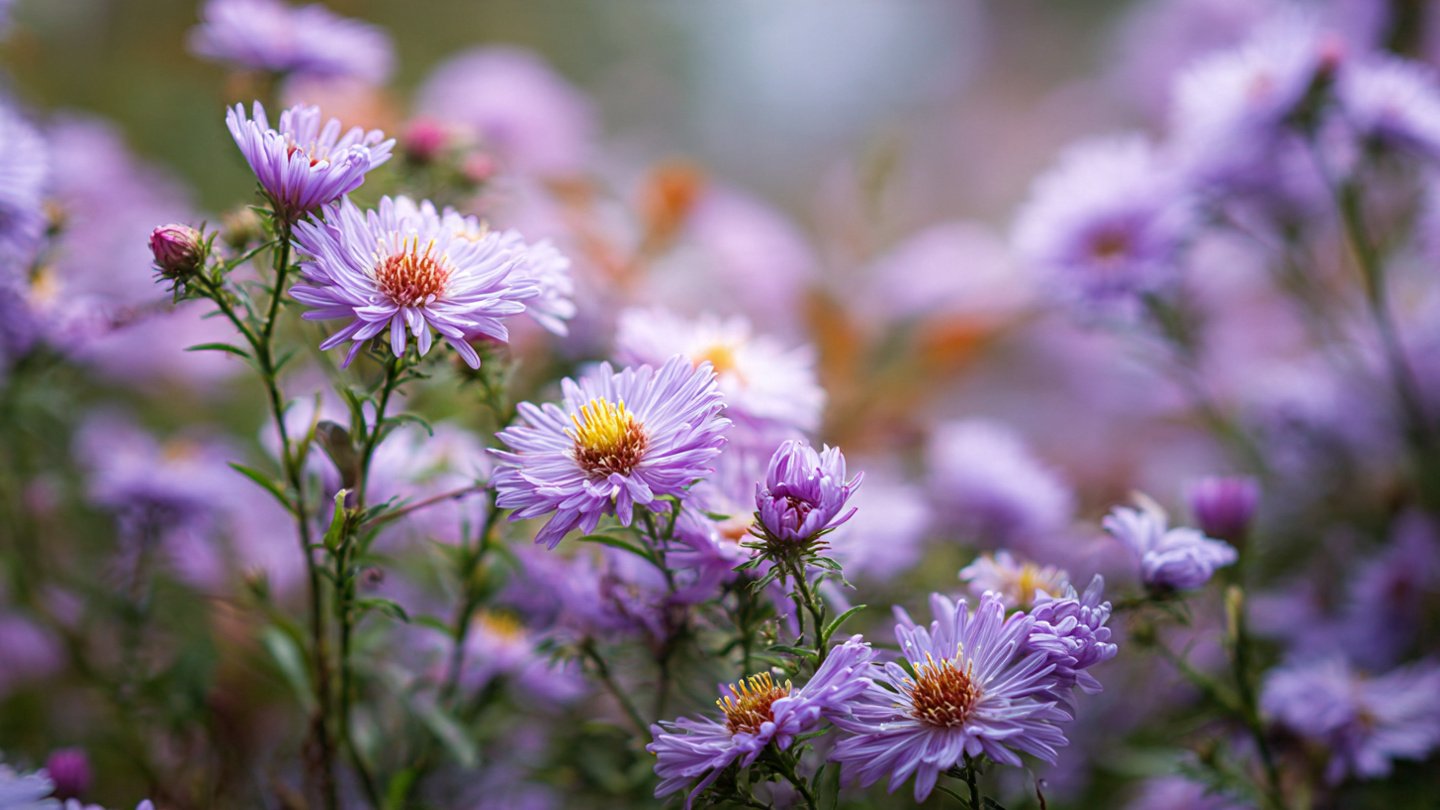
Asters are vibrant perennial flowers that add a delightful burst of color to any garden. Their daisy-like blooms come in various hues, ranging from purple and blue to pink and white, making them a popular choice among gardeners. Whether you’re a seasoned horticulturist or a novice, understanding how to cultivate beautiful aster flowers can greatly enhance your garden’s aesthetic appeal. In this article, we’ll explore the top techniques for growing aster flowers, from selecting the right variety to caring for them throughout the seasons.
Understanding Aster Flowers
Types of Asters
Latest Posts
- A Comprehensive Guide to Successfully Growing Grape Vines in Your Backyard for Beginners and Experts Alike
- Best Tips for Successful Mango Growth in Containers
- Discover the Simple Steps for Successfully Growing Coriander in a Pot
- Discovering the Ultimate Guide to Growing African Violets from Leaf Cuttings
- Simple Techniques for Successfully Growing Seedless Grapes in Home Gardens
- Ultimate Guide to Growing Balsam Plants Naturally for Vibrant Blooms
- Discover the Secrets to Growing Lush Leek Leaves with Simple Hacks for Beginners
- How to Successfully Cultivate Sweet Cherries in the Unique Climate of Canada
- The Ultimate Guide to Successfully Growing Beautiful Succulent Garden Plants at Home
- A Comprehensive Guide to Growing Dhania from Seeds for Beginners
Before diving into cultivation techniques, it’s essential to understand the various types of aster flowers. The two primary categories of asters are:
-
New England Asters (Aster novae-angliae): Known for their tall, bushy growth and large flower heads, these asters bloom in late summer to early fall.
-
New York Asters (Aster novi-belgii): These are somewhat shorter and have a more compact growth habit. They bloom later in the year and are prized for their numerous blossoms.
Choosing the right variety for your garden depends on your climate, soil type, and the aesthetic you wish to achieve.
Choosing the Right Location
Sunlight Requirements
Asters thrive in full sun but can tolerate partial shade. Ideally, choose a location that receives at least six hours of direct sunlight daily. Insufficient light can lead to leggy growth and fewer flowers.

Soil Conditions
Asters prefer well-drained, loamy soil that is rich in organic matter. It’s crucial to avoid waterlogged conditions, as this can lead to root rot. Conducting a soil test can help you determine pH levels and nutrient content, allowing for amendments if necessary. The ideal soil pH for asters is between 6.0 and 8.0.
Spacing
When planting asters, consider the mature size of the variety you’ve chosen. Space plants about 12–18 inches apart to ensure adequate air circulation, which helps prevent diseases such as powdery mildew.
Planting Techniques
Timing
The best time to plant asters is in the spring after the last frost or in early fall. This allows the plants to establish roots before the stress of summer heat or winter cold.
Propagation Methods
Asters can be propagated through seeds or division.
-
Seeds: Start seeds indoors 6-8 weeks before the last frost date. Transplant them outdoors once the danger of frost has passed. Alternatively, you can sow seeds directly in the garden after the last frost.
-
Division: Divide established clumps every 2-3 years in early spring or late fall. This not only rejuvenates the plants but also provides new specimens for your garden.

Watering Techniques
After planting, water your asters thoroughly to help them establish. During the first few weeks, keep the soil consistently moist but not soggy. Once established, asters are relatively drought-tolerant but still benefit from regular watering during dry spells.
Fertilizing Aster Flowers
Choosing Fertilizers
Asters generally do not require heavy fertilization. A balanced, slow-release fertilizer applied in the spring can be beneficial. Look for a product with equal parts nitrogen, phosphorus, and potassium (NPK) or a formula with a low nitrogen content to encourage blooming over foliage growth.
Application Method
Follow the manufacturer’s instructions regarding application rates. Be cautious not to over-fertilize, as this can lead to excessive leaf growth at the expense of flowers.
Pruning and Deadheading
Pruning Techniques
Regular pruning is essential for maintaining the health and appearance of your asters. After flowering has finished in the fall, cut back the plants to about 6 inches above the ground. This prevents the plants from becoming leggy and encourages bushier growth the following season.
Deadheading
Removing spent flowers, known as deadheading, encourages asters to produce more blooms. This task can extend the flowering season significantly. Use sharp scissors or pruners to snip off the faded blossoms just above the first set of leaves.
Disease and Pest Management
Common Pests
Asters are relatively resistant to pests, but they can attract:
- Aphids: These small insects suck sap from the plants and can cause damage.
- Spider Mites: Look for fine webbing on leaves. These pests thrive in hot, dry conditions.
Use insecticidal soap or neem oil to manage infestations.
Common Diseases
Asters are susceptible to a few diseases, including:
-
Powdery Mildew: This fungal disease thrives in humid conditions. Ensure adequate spacing for airflow and consider applying a fungicide if necessary.
-
Root Rot: This is typically caused by overwatering. Ensure well-drained soil and allow the top inch of soil to dry out between watering.
Seasonal Care
Winterizing Asters

In regions with cold winters, protect your asters by applying a layer of mulch around the base of the plants. This will insulate the roots and prevent frost heaving.
Seasonal Monitoring
As the seasons change, monitor your asters for signs of distress such as yellowing leaves or poor flowering. Adjust your care regimen as needed, ensuring that your plants remain healthy throughout the growing season.
Companion Planting
Asters pair beautifully with several other flowering plants, enhancing their visual appeal and promoting biodiversity. Consider planting them alongside:
-
Goldenrod: This perennial blooms at the same time as asters, creating a stunning display of colors.
-
Sedum: This succulent provides a contrasting texture and can help attract beneficial insects.
-
Coneflower (Echinacea): Share similar growing conditions and bloom in a variety of vibrant colors.
Conclusion
Cultivating beautiful aster flowers in your garden requires thoughtful planning and care. By selecting the right varieties, choosing an ideal planting location, and providing proper maintenance, you can enjoy a stunning display of color that will attract pollinators and enhance the aesthetic of your outdoor space. The joy of growing asters lies not just in their beauty but in the fulfilling process of nurturing these resilient flowers.

FAQs
1. How often should I water my asters?
Water asters once a week during dry spells, ensuring the soil remains moist but not soggy. Established asters are somewhat drought-tolerant but benefit from regular watering.
2. When do asters bloom?
Asters typically bloom from late summer to fall, adding color to your garden as many other flowers fade.
3. Can I grow asters in pots?
Yes, asters can be successfully grown in pots. Ensure the containers have drainage holes and use a high-quality potting mix. Be vigilant about watering, as potted plants can dry out more quickly.
4. Are asters deer resistant?
While no plant is completely deer-proof, asters are considered somewhat deer-resistant due to their bitter taste.
5. Do asters require a lot of sunlight?
Asters prefer full sun and do best with at least six hours of direct sunlight daily. They can tolerate partial shade but may not bloom as profusely.
By following these tips and techniques, you can cultivate beautiful asters that thrive in your garden and bring joy for many seasons to come.