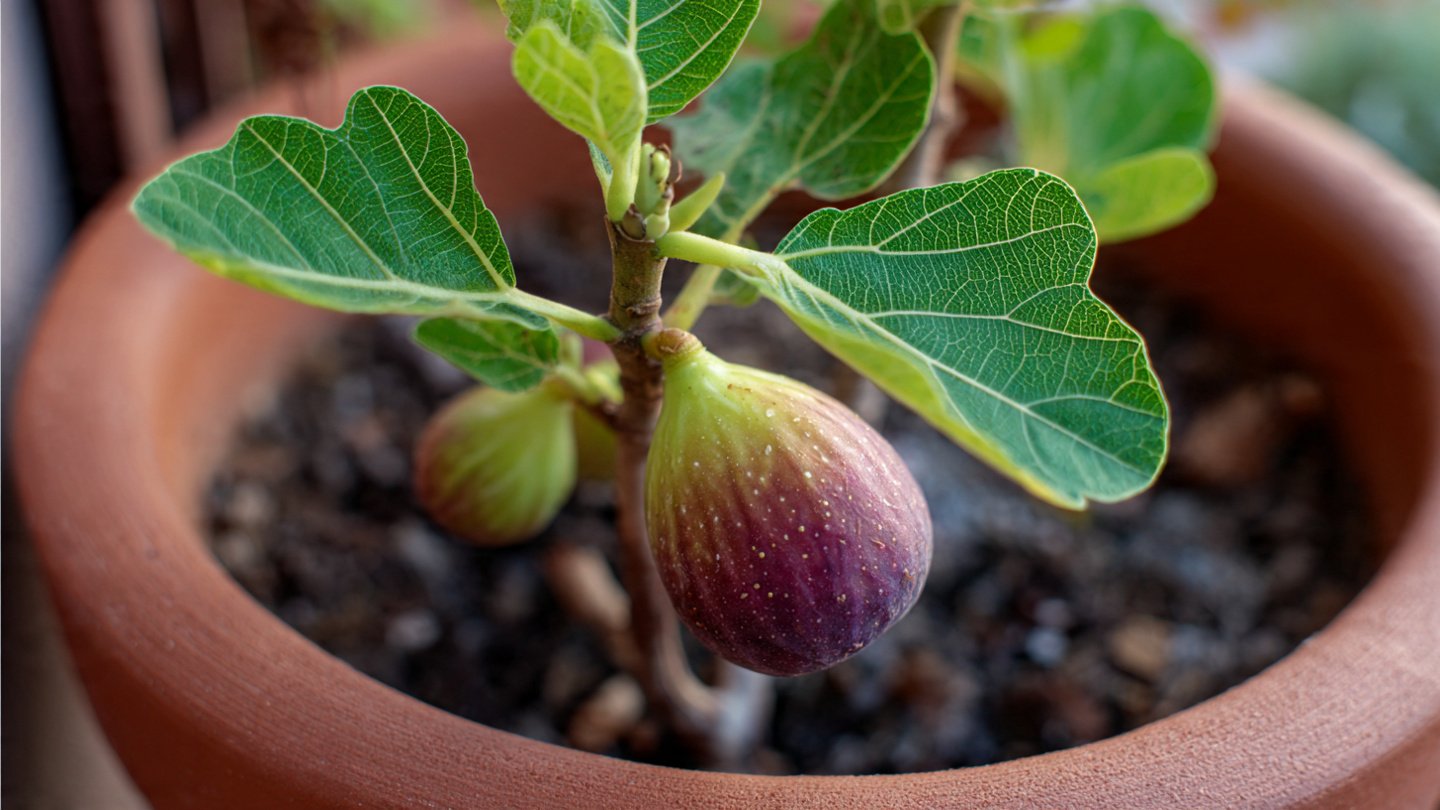
Figs are a delicious and nutritious fruit that can be grown in the comfort of your home, making them an appealing option for both novice and experienced gardeners. Container gardening is particularly useful, as it allows even those with limited outdoor space the opportunity to cultivate these fruitful trees. In this guide, we’ll explore the best practices for successfully growing figs in containers, including selection, care, and troubleshooting common issues.
Understanding Figs
Figs (Ficus carica) are deciduous trees native to the Mediterranean region. They thrive in warm climates and can produce fruits that are sweet and rich in nutrients. Figs generally grow between 6 to 10 feet tall, but when grown in containers, they can be kept smaller through proper care and pruning.
Benefits of Growing Figs in Containers
- Space-Efficient: Perfect for urban settings or small gardens.
- Mobility: You can move pots to adapt to sunlight, temperature, or aesthetic preference.
- Controlled Environment: Easier to monitor soil moisture and nutrient levels.
- Pest Management: Containers can minimize soil-borne pests or diseases.
Choosing the Right Fig Variety
When selecting a fig variety for container growth, consider these popular options:
- Brown Turkey: Highly adaptable and produces sweet fruit. This variety is resistant to some diseases.
- Celeste: Known for its sweet, rich flavor; works well in smaller spaces.
- Kadota: Produces greenish-yellow figs with a mild flavor; great for eating fresh or drying.
- Chicago Hardy: Tolerant of colder climates, this variety can withstand temperatures as low as 10°F (-12°C).
Container Selection
Size
Choose a container that is at least 12-18 inches in diameter and depth to accommodate the fig’s root system. As the plant grows, you may need to repot it into a larger container.
Material
Containers come in various materials, including plastic, terracotta, and wood. Each has its pros and cons:
Latest Posts
- A Comprehensive Guide to Successfully Growing Grape Vines in Your Backyard for Beginners and Experts Alike
- Best Tips for Successful Mango Growth in Containers
- Discover the Simple Steps for Successfully Growing Coriander in a Pot
- Discovering the Ultimate Guide to Growing African Violets from Leaf Cuttings
- Simple Techniques for Successfully Growing Seedless Grapes in Home Gardens
- Ultimate Guide to Growing Balsam Plants Naturally for Vibrant Blooms
- Discover the Secrets to Growing Lush Leek Leaves with Simple Hacks for Beginners
- How to Successfully Cultivate Sweet Cherries in the Unique Climate of Canada
- The Ultimate Guide to Successfully Growing Beautiful Succulent Garden Plants at Home
- A Comprehensive Guide to Growing Dhania from Seeds for Beginners
- Plastic: Lightweight and usually less expensive. Good for retaining moisture.
- Terracotta: Good air circulation but can dry out quickly.
- Wood: Excellent insulation and aesthetic appeal but may be more expensive.
Drainage
Ensure your chosen container has several drainage holes at the bottom. Proper drainage is crucial to prevent root rot and other moisture-related issues.
Soil Requirements
Figs prefer well-draining soil rich in organic matter. A commercial potting mix with compost or a mixture of peat, perlite, and vermiculite works well. Aim for a pH level between 6.0 and 6.5.
Planting Your Fig Tree
- Prepare the Container: Line the bottom with a layer of small stones or gravel for extra drainage.
- Fill with Soil: Add your potting mix, leaving about an inch of space at the top.
- Plant the Fig: Remove the fig tree from its nursery pot and gently loosen any tightly bound roots. Place it in the center of the container, then fill in around the roots with soil. Water thoroughly after planting.
Watering
Figs love moisture, but overwatering can lead to root rot. Water your fig tree whenever the top inch of soil feels dry. In the summer months, you may need to water every few days. In winter, reduce the frequency, as the plant’s water needs decrease.
Fertilizing
Figs require a balanced fertilizer during the growing season. Use a slow-release fertilizer or an organic option, such as compost or fish emulsion. Fertilize every 4-6 weeks during the growing season and stop fertilizing in late summer to prepare the tree for dormancy.
Sunlight Requirements
Figs thrive in full sun, needing at least 6-8 hours of sunlight daily. If you have a partially shaded area, options like the Chicago Hardy variety can work, but full sun is ideal for the best fruit production.
Pruning Your Fig Tree
Regular pruning encourages healthy growth and fruit production. Follow these tips:
- Timing: Prune in late winter or early spring before new growth begins.
- Method: Remove dead or damaged branches and thin out overcrowded areas to improve air circulation.
- Shape: Aim for an open center to allow light penetration and air circulation.
Managing Pests and Diseases
While figs are generally resilient, they can face certain pests and diseases:
- Common Pests: Aphids, spider mites, and leafhoppers can be problematic. Monitor your plants regularly and treat infestations with insecticidal soap or neem oil.
- Diseases: Figs can suffer from fungal infections such as rust or root rot. Ensure good air circulation and avoid overwatering to prevent these issues.
Harvesting Figs
Figs are usually ready to harvest in late summer to early fall. The fruits should feel soft to the touch, and the color will vary by variety. Harvest by gently twisting the figs off the branch. Allowing fruit to fully ripen on the tree will enhance their sweetness.
Winter Care
In colder climates, fig trees may need extra protection during winter. Options include:
- Bringing Inside: If it’s feasible, move the container indoors to a cool, well-lit area.
- Mulching: Apply mulch around the base of the plant if kept outdoors. This helps regulate soil temperature.
- Covering Pot: Wrap the pot with insulating materials like bubble wrap or burlap (do not cover the plant itself).
Troubleshooting Common Issues
Yellow Leaves
If the leaves are turning yellow, it may indicate overwatering, nutrient deficiency, or poor drainage. Check the soil moisture and adjust your watering regimen accordingly.
No Fruit Production
Several factors can contribute to a lack of fruit:
- Insufficient sunlight.
- Excessive nitrogen fertilizer.
- Pruning done at the wrong time.
Dropping Fruit
Figs will sometimes drop immature fruit, especially in extreme temperatures or if they are stressed from improper watering.
Frequently Asked Questions (FAQs)
Q1: Can I grow figs indoors?
A: Yes, figs can thrive indoors if given enough sunlight (at least 6-8 hours). Use grow lights if natural light is insufficient.
Q2: How often should I water my potted fig tree?
A: Water when the top inch of soil feels dry. In hot weather, this may mean every few days; in cooler months, less frequently.
Q3: Do figs need pollination to produce fruit?
A: Most common fig varieties, such as Brown Turkey and Celeste, do not require pollination to produce fruit.

Q4: How can I tell when figs are ripe?
A: Ripe figs will feel soft to the touch and have slightly wrinkled skin. Color will vary by variety.
Q5: What do I do if my fig tree is not growing well?
A: Assess factors like light, watering, and soil quality. It may also help to fertilize and ensure proper drainage.
Q6: Can figs be grown in small containers?
A: Yes, figs can be grown in smaller containers, but they will require more frequent watering and careful monitoring as they grow.
Conclusion
Growing figs in containers can be a rewarding experience, providing you with fresh fruit and the satisfaction of nurturing a plant. With the right variety, container, soil, and care, you can enjoy the lush greenery and sweet rewards of your very own fig tree. Don’t hesitate to experiment and learn as you go; gardening is as much about the journey as it is about the product!