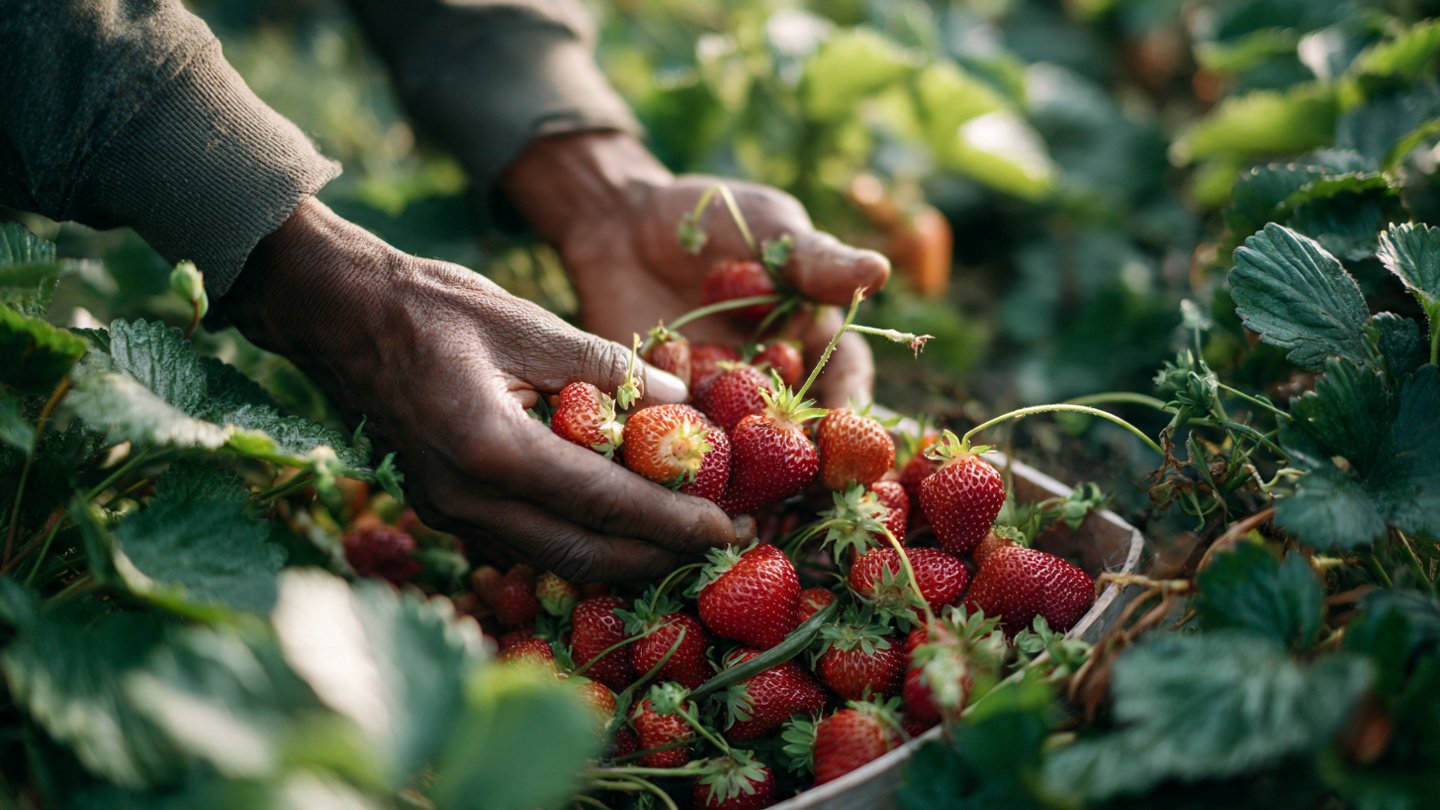
Growing strawberries in your backyard can be a rewarding experience, especially if you’re a fan of these delicious fruits. Among the different types, June-bearing strawberries are particularly popular due to their rich flavor and the amount of fruit they produce in a short span of time. This guide aims to provide you with all the information you need to successfully grow June-bearing strawberries throughout the year.
Understanding June-Bearing Strawberries
June-bearing strawberries are a type of strawberry plant that produces a large crop in late spring to early summer, typically from late May to June, depending on your climate. They produce fruit over a span of about 2-4 weeks, making them different from ever-bearing and day-neutral varieties, which provide a more continuous harvest throughout the summer and into fall.
Latest Posts
- A Comprehensive Guide to Successfully Growing Grape Vines in Your Backyard for Beginners and Experts Alike
- Best Tips for Successful Mango Growth in Containers
- Discover the Simple Steps for Successfully Growing Coriander in a Pot
- Discovering the Ultimate Guide to Growing African Violets from Leaf Cuttings
- Simple Techniques for Successfully Growing Seedless Grapes in Home Gardens
- Ultimate Guide to Growing Balsam Plants Naturally for Vibrant Blooms
- Discover the Secrets to Growing Lush Leek Leaves with Simple Hacks for Beginners
- How to Successfully Cultivate Sweet Cherries in the Unique Climate of Canada
- The Ultimate Guide to Successfully Growing Beautiful Succulent Garden Plants at Home
- A Comprehensive Guide to Growing Dhania from Seeds for Beginners
These plants yield the highest quantity of strawberries among all varieties, making them a favorite for both home gardeners and commercial growers. Their robust growth and ability to adapt to various soil types also contribute to their popularity.
Varieties of June-Bearing Strawberries
There are several varieties of June-bearing strawberries, each with unique characteristics:
-
Honeoye: Known for its early ripening and large fruits, this variety is a favorite among gardeners.
-
Cavendish: Offers excellent flavor and is resistant to diseases.
-
Earliglow: Famous for its sweetness and aromatic properties, it’s an excellent choice for fresh eating.
-
Jewel: Known for its high yield and beautiful, large red fruits, ideal for freezing or preserves.
-
Chandler: Grows well in many soils and has a good yield of large berries.

Choosing the right variety for your region and personal taste preferences can significantly impact your gardening experience.
Preparing Your Garden for Planting
Soil Requirements
Strawberries prefer well-drained, sandy loam soils that are rich in organic matter. They thrive in slightly acidic soils with a pH of 5.5 to 6.8. Before planting, conduct a soil test to determine pH and nutrient levels. You can amend your soil by adding compost, peat moss, or other organic materials to enhance fertility and drainage.
Location
Strawberries require full sun for at least 6-8 hours a day to produce the best fruit. Choose a spot in your garden that receives plenty of sunlight and is away from tall plants or trees that may cast shade.
Timing
The best time to plant June-bearing strawberries is in early spring, after the last frost, or in the fall before cold weather sets in. If you live in a region with a milder climate, late summer or early fall planting can also be beneficial.
Planting June-Bearing Strawberries
Choosing Your Plants
You can opt for bare-root strawberries or transplants from a nursery. Bare-root plants are typically less expensive and establish well if planted at the right time. Look for healthy specimens with strong roots.
Planting Methods
-
Matted Row: The traditional matted row method involves planting strawberries 18 inches apart in rows 3-4 feet apart. Allow runners to take root to create new plants.
-
Hill System: In this method, you plant strawberries about 12 inches apart, pruning back any runners. This system is better for varieties that require more space.

Planting Steps
-
Digging Holes: Create holes large enough to accommodate the roots without bending them. The crown (where roots meet the plant) should be at soil level.
-
Spacing: If you’re using the matted row method, allow sufficient space for runners. For the hill system, maintain tighter spacing.
-
Watering: After planting, water thoroughly to settle the soil around the roots. Adding mulch around the plants can help retain moisture and suppress weeds.
Caring for Your June-Bearing Strawberries
Watering
Strawberries require consistent moisture, especially during flowering and fruiting. Water deeply once a week, ensuring that the soil remains moist but not soggy. Consider using drip irrigation to minimize surface evaporation and limit water on the leaves, preventing disease.
Fertilizing
Strawberries benefit from a balanced fertilizer. Before planting, mix in a slow-release fertilizer suitable for berries. After the plants bloom, in late spring, you can apply a side-dressing of fertilizer or organic compost around the plants to boost fruit production.
Pruning and Training

In the early stages, remove any flowers from newly planted strawberries to promote root growth. For established plants, you may need to thin runners and dead leaves, which helps improve air circulation and reduces disease risk.
Pest and Disease Management
Common Pests
-
Slugs and Snails: These pests can damage young plants. Use traps or organic baits to control their populations.
-
Spider Mites: Look for signs of webbing. Regularly misting leaves or using insecticidal soap can help manage spider mites.
-
Fruit Flies: Protect your berries with netting to prevent fruit flies from laying eggs in the ripe fruit.
Common Diseases
-
Powdery Mildew: Prevent by ensuring proper air circulation and avoiding overhead watering.
-
Root Rot: Caused by overwatering or poor drainage, ensure your soil drains well.
-
Botrytis Fruit Rot: This gray mold can affect ripe strawberries. Remove affected fruits and maintain good spacing for air circulation.
Harvesting Your June-Bearing Strawberries

June-bearing strawberries are typically ready for harvest 4-6 weeks after blooming. The berries should be fully red, plump, and have a sweet aroma. To harvest, gently twist the stem while pulling the berry to avoid damaging the plant.
Post-Harvest Care
After harvesting, you should clean and store your strawberries properly. Refrigerate them for short-term storage, or freeze them if you plan to use them later. Remember that strawberries do not ripen after being picked.
Winter Care for Year-Round Growth
While June-bearing strawberries typically produce in the summer, there are ways to care for them year-round, especially in colder climates.
Mulching
Applying a layer of straw or wood chips around your plants before winter can help insulate them from extreme temperatures. This layer aids in retaining moisture and shielding them from winter frost.
Protection
In zones where winters are harsh, consider using row covers or cold frames to protect your plants from extreme cold and frost.
Indoor Growing
If you’d like to enjoy strawberries outside of their normal growing season, consider growing them indoors. Use containers and place them in a sunny window with good air circulation to encourage fruiting.
FAQs
1. Can I grow June-bearing strawberries in containers?
Yes! June-bearing strawberries can thrive in containers as long as they receive enough sunlight and proper drainage. Aim for at least a 12-inch pot for best results.

2. How often should I water my strawberry plants?
Strawberries require consistent moisture. Water them deeply about once a week or more often during dry spells, ensuring the soil remains moist but not waterlogged.
3. How can I protect my strawberries from birds?
Bird netting is an effective way to keep birds away from ripe strawberries. Additionally, you can use scare devices, such as reflective tape, to deter them.
4. When should I fertilize my strawberries?
Fertilize your strawberries before planting and again in late spring when blooms appear. Avoid fertilizing after the plants have fruited.
5. What should I do if my strawberries develop soft spots?
Soft spots may indicate over-ripening or damage. Always handle strawberries gently and consume or freeze them promptly to minimize waste.
6. Is it too late to plant June-bearing strawberries in the fall?
If you live in a mild climate, you may be able to plant strawberries in the fall. In colder zones, it’s generally best to plant in early spring to ensure successful establishment.
Conclusion
Growing June-bearing strawberries in your backyard can be a fulfilling endeavor. By following the guidelines outlined in this comprehensive guide—from soil preparation to year-round care—you can cultivate a thriving strawberry patch that yields delicious fruit season after season. Whether enjoyed fresh, in desserts, or made into preserves, the effort you invest in growing these berries will undoubtedly be rewarded. Happy gardening!