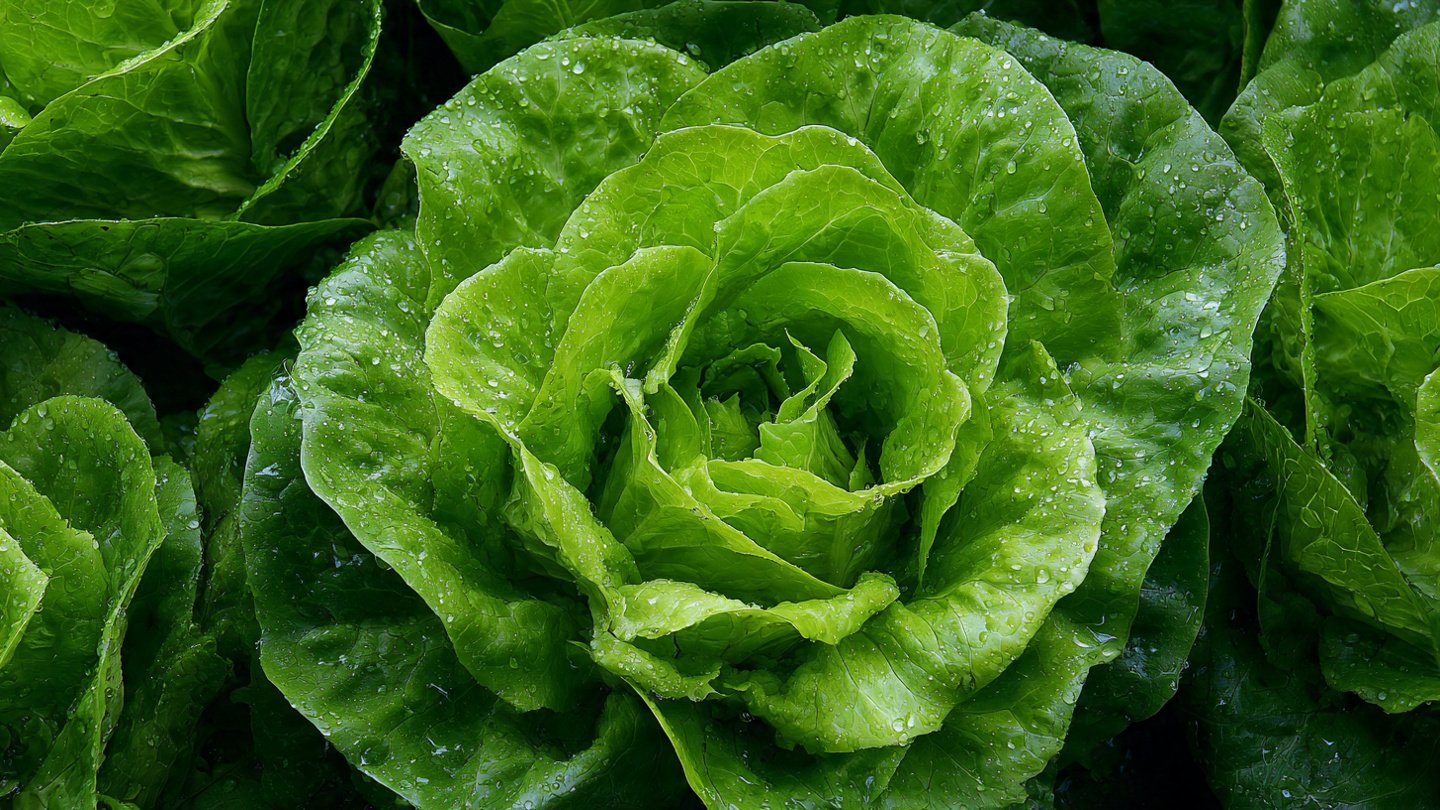
Growing iceberg lettuce in your backyard garden can be a satisfying and rewarding experience. This crisp and refreshing vegetable is not only an excellent addition to salads but also easy to grow, making it perfect for both beginners and seasoned gardeners. This guide will walk you through the essential steps to successfully cultivate iceberg lettuce, from selecting the right location to harvesting your crop.
Benefits of Growing Iceberg Lettuce
- A Comprehensive Guide to Successfully Growing Grape Vines in Your Backyard for Beginners and Experts Alike
- Best Tips for Successful Mango Growth in Containers
- Discover the Simple Steps for Successfully Growing Coriander in a Pot
- Discovering the Ultimate Guide to Growing African Violets from Leaf Cuttings
- Simple Techniques for Successfully Growing Seedless Grapes in Home Gardens
- Ultimate Guide to Growing Balsam Plants Naturally for Vibrant Blooms
- Discover the Secrets to Growing Lush Leek Leaves with Simple Hacks for Beginners
- How to Successfully Cultivate Sweet Cherries in the Unique Climate of Canada
- The Ultimate Guide to Successfully Growing Beautiful Succulent Garden Plants at Home
- A Comprehensive Guide to Growing Dhania from Seeds for Beginners
- Quick Growth: Iceberg lettuce grows relatively fast, usually maturing within 70 to 80 days from planting.
- Low Maintenance: Once established, iceberg lettuce requires little maintenance, making it an excellent choice for busy gardeners.
- Health Benefits: Rich in vitamins A and K, iceberg lettuce contributes to a healthy diet while being low in calories.
Latest Posts
Choosing the Right Variety
Before planting, it’s essential to choose the right variety of iceberg lettuce. Popular varieties include:
- Great Lakes: Known for its large, heavy heads and crisp texture.
- Iceberg: A classic choice with tall, tightly packed heads.
- Summertime: Heat-tolerant, making it suitable for warmer climates.
Consider your local climate and growing conditions when selecting a variety.
Timing Your Planting
The ideal time to plant iceberg lettuce depends on your climate. Generally, lettuce thrives in cool weather. Here are some tips for timing:

- Spring Planting: Start seeds indoors 4 to 6 weeks before the last frost date and transplant them outdoors as soon as the soil is workable.
- Fall Planting: In many regions, you can plant lettuce in late summer for a fall harvest.
For best results, aim for a temperature range between 60°F and 70°F (15°C and 21°C).
Preparing the Soil
Lettuce prefers well-drained soil rich in organic matter. Here’s how to prepare your garden bed:
- Choose a Location: Select a spot that gets at least 6 hours of sunlight per day.
- Soil Testing: Check the soil pH. Lettuce grows best in a pH range of 6.0 to 7.0.
- Amend the Soil: Incorporate compost or well-aged manure to improve fertility. Work the organic matter into the top 6 to 8 inches of soil.
- Tilling: Use a garden hoe or rototiller to mix the soil thoroughly.
Planting Iceberg Lettuce
Direct Sowing
- Row Preparation: Create rows spaced 12 to 18 inches apart. Use a rake to level the soil.
- Seed Depth: Sow seeds about 1/4 inch deep.
- Spacing: Space seeds 6 to 12 inches apart to allow ample room for growing heads.
- Watering: Gently water the seeds to keep the soil moist but not soggy.
Transplanting Seedlings
If starting seeds indoors:
- Seed Starting: Use seed trays with quality potting soil.
- Light and Water: Place the trays in a sunny spot and keep the soil consistently moist.
- Transplanting: Once seedlings are about 3 inches tall and have at least two true leaves, harden them off by gradually exposing them to outdoor conditions over a week.
- Spacing: Transplant outdoors, spacing them similarly as above.
Care and Maintenance
Watering
Iceberg lettuce requires consistent watering. Here are some guidelines:
- Frequency: Water deeply once or twice a week, depending on rainfall and temperature.
- Moisture: Aim for about 1 inch of water per week.
- Avoiding Drought Stress: Regular but light watering may be necessary during hot weather.
Weeding and Mulching
Weeds can compete with your lettuce for nutrients and water:
- Weeding: Hand-pull weeds regularly or use a hoe to remove them.
- Mulching: Apply a layer of mulch (straw or shredded leaves) around the plants to suppress weeds and retain soil moisture.
Fertilization
During the early growth stages, use a balanced fertilizer:
- Type: Look for a fertilizer with equal parts nitrogen, phosphorous, and potassium (for example, a 10-10-10).
- Application: Apply according to package instructions, generally when the plants are about 4 weeks old.
Pest and Disease Management
Iceberg lettuce can be susceptible to various pests and diseases:
- Common Pests: Aphids, slugs, and caterpillars.
- Management: Handpick pests or use insecticidal soap for severe infestations.
- Disease Prevention: Rotate your crops and provide proper air circulation to minimize the risk of diseases like downy mildew.
Thinning Seedlings
Once your seedlings have grown to about 2 inches tall, thin them to prevent overcrowding:
- Spacing: Leave about 12 inches between each plant.
- Method: Cut the weaker seedlings at soil level to avoid disturbing the roots of neighboring plants.

Harvesting Iceberg Lettuce
Iceberg lettuce typically takes 70 to 80 days to mature. Here are signs that your lettuce is ready for harvest:
- Firmness: Gently squeeze the heads; they should feel firm.
- Size: A well-grown head should be about 6 to 8 inches in diameter.
- Color: Look for a vibrant green color without signs of bolting (flowering).
How to Harvest
- Cutting: Use a sharp knife to cut the head at the base, just above the soil line.
- Timing: Harvest in the morning or late afternoon when temperatures are cooler for the best flavor.
Post-Harvest Care
After harvesting, lettuce can be stored:
- Refrigeration: Store heads unwashed in the refrigerator for up to two weeks.
- Washing: Wash leaves just before use to maintain their crispness.
FAQs
1. Can I grow iceberg lettuce in containers?

Yes! Iceberg lettuce grows well in containers. Choose a pot that is at least 12 inches deep and wide to provide enough space for root growth.
2. How can I prevent my iceberg lettuce from bolting?
To prevent bolting, plant in cooler weather (spring or fall) and provide consistent moisture. If you notice that the plants begin to bolt, harvest immediately to enjoy the leaves before they become bitter.
3. What companion plants go well with iceberg lettuce?
Good companions for iceberg lettuce include carrots, radishes, and cucumbers. Avoid planting near other heavy feeders like corn.
4. Is iceberg lettuce suitable for organic gardening?
Yes, iceberg lettuce can be grown organically. Use organic fertilizers and pest control methods to nurture your plants.
5. How often should I fertilize my iceberg lettuce?
Fertilize once at planting time and again about 3 to 4 weeks later. If the leaves appear yellow or growth is slow, consider additional fertilization as needed.
Conclusion
Growing iceberg lettuce in your backyard garden is an easy and fulfilling project that can enhance your culinary experiences. By following these guidelines—selecting the right variety, timing your planting, preparing your soil, and maintaining proper care—you can enjoy fresh, crisp heads of lettuce right from your garden. Happy gardening!