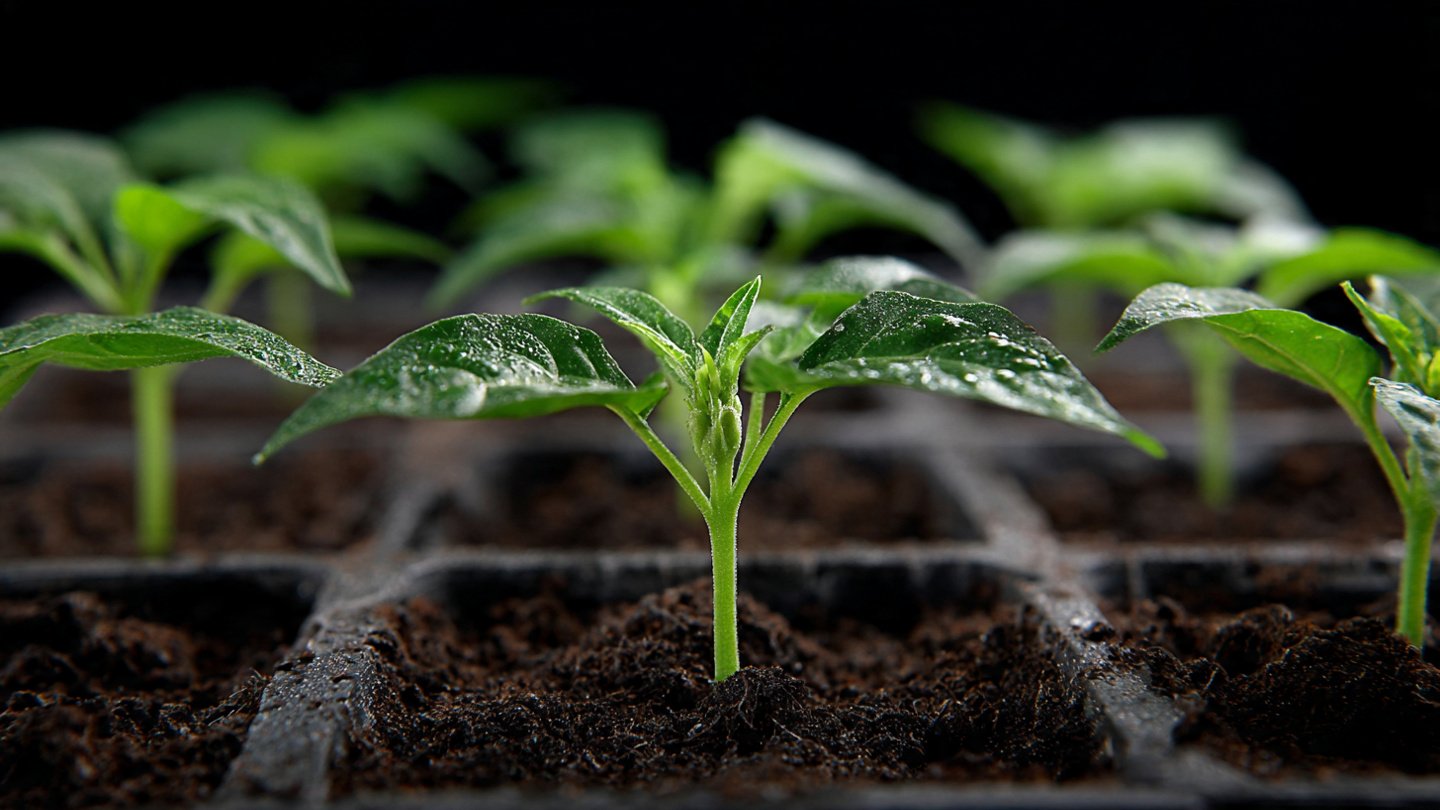
Chili peppers are not just a staple in various cuisines around the world; they’re also packed with vitamins, add flavor to dishes, and even have health benefits. Growing chili plants from seeds can be a rewarding experience, whether you’re a seasoned gardener or a beginner. In this article, we’ll explore the steps to grow chili plants from seeds in record time, including tips, care, and a frequently asked questions section.
1. Choosing the Right Chili Variety
First and foremost, choose the right variety of chili pepper suited to your climate and preference. Some popular varieties include:
- Jalapeño: Medium heat, versatile in cooking.
- Serrano: Hotter than jalapeños, used in salsas.
- Habanero: Very hot, with a fruity flavor.
- Bell Pepper: Not spicy but versatile for cooking.
Research the heat levels and growth requirements of each variety to find the one that suits your needs best.
2. Gather Your Materials
Before starting, gather all necessary materials:
- Seeds: Ensure you have high-quality seeds from a reputable source.
- Seed Starting Mix: A well-draining medium is essential.
- Containers: Seed trays or small pots for planting.
- Watering Can or Spray Bottle: For gentle watering.
- Plastic Wrap or Humidity Dome: To maintain moisture.
- Light Source: Grow lights or a sunny windowsill.
- Fertilizer: For when seedlings are established.
3. Starting Seeds Indoors
For a head start, plant your seeds indoors about 8-10 weeks before the last frost date in your area.
Latest Posts
- A Comprehensive Guide to Successfully Growing Grape Vines in Your Backyard for Beginners and Experts Alike
- Best Tips for Successful Mango Growth in Containers
- Discover the Simple Steps for Successfully Growing Coriander in a Pot
- Discovering the Ultimate Guide to Growing African Violets from Leaf Cuttings
- Simple Techniques for Successfully Growing Seedless Grapes in Home Gardens
- Ultimate Guide to Growing Balsam Plants Naturally for Vibrant Blooms
- Discover the Secrets to Growing Lush Leek Leaves with Simple Hacks for Beginners
- How to Successfully Cultivate Sweet Cherries in the Unique Climate of Canada
- The Ultimate Guide to Successfully Growing Beautiful Succulent Garden Plants at Home
- A Comprehensive Guide to Growing Dhania from Seeds for Beginners

Step-by-Step Process
- Prepare Soil: Fill your containers with seed starting mix, leaving about ½ an inch from the top.
- Moisten Soil: Lightly spray the soil with water. It should be damp but not soggy.
- Plant Seeds: Plant the seeds about 1/4 inch deep. Depending on the size of the container, plant 2-3 seeds in each.
- Cover and Protect: Cover the containers with plastic wrap or a humidity dome to retain moisture.
- Provide Light: Place the containers in a warm area with indirect light or under grow lights. Ideal temperatures for germination are between 70-85°F (21-29°C).
- Monitor Moisture: Check daily for moisture; if the surface appears dry, lightly mist it.
- Germination: Seeds typically germinate within 7-21 days, depending on the variety and conditions.
4. Caring for Seedlings
Once your seedlings have emerged, it’s crucial to care for them properly.
Thinning Seedlings
When seedlings develop their first true leaves, thin them out by snipping off the weaker ones, leaving only the strongest plant in each container. This ensures that the remaining plant has enough nutrients and space to grow.
Lighting and Temperature
- Light: Ensure seedlings receive 12-16 hours of light each day. If using grow lights, keep them about 2-4 inches above the plants.
- Temperature: Maintain a stable temperature, ideally between 70-80°F (21-27°C) during the day, and slightly cooler at night.
Watering
Water the seedlings when the top inch of soil feels dry. Use a gentle spray or pour slowly around the base of the plants to avoid disturbing the roots.
Fertilizing
Once seedlings develop their first true leaves, start fertilizing every couple of weeks with a diluted liquid fertilizer, preferably with a balanced ratio like 10-10-10.
5. Transplanting Seedlings
Once the seedlings reach about 2-3 inches tall and have several true leaves, it’s time to transplant them.
Choosing a Location
Select a spot with plenty of sunlight. If you’re transplanting outdoors, ensure the last frost has passed.
Hardening Off
Before planting outdoors, harden off the seedlings by placing them outside for a few hours each day, gradually increasing their exposure to outdoor conditions over a week.
Transplanting Process
- Prepare the Garden Bed or Pots: Enrich the soil with compost and ensure it drains well.
- Dig Holes: Make holes 12-18 inches apart, depending on the variety.
- Plant the Seedlings: Gently remove seedlings from their containers, keeping the root ball intact, and place them in the holes.
- Water Thoroughly: Water the plants well after transplanting.
6. Caring for Chili Plants
Watering
Chili plants prefer consistent moisture. Water the plants deeply once a week, adjusting according to weather conditions.
Fertilization
Once flowers appear, switch to a low-nitrogen fertilizer to encourage fruit production. Apply every 3-4 weeks, following the manufacturer’s instructions.
Pest Control
Keep an eye out for pests like aphids or spider mites. You can use insecticidal soap or neem oil to manage these issues.
Pruning
Regularly prune the plants to encourage bushier growth and better airflow. Remove any dead or diseased leaves.
7. Harvesting Chili Peppers
Your chili peppers will be ready to harvest once they’ve reached their mature color and size. Pick them carefully to avoid damaging the plant. Use scissors or garden shears for a clean cut.
Conclusion
Growing chili peppers from seeds in record time is a fulfilling journey that requires the right approach and care. Following the steps outlined above, anyone can successfully grow a bountiful crop of these vibrant and flavorful plants. Whether you enjoy cooking with them or preserving them for later use, homegrown chili peppers can elevate your dishes and gardening experience.
FAQs
1. How long does it take for chili seeds to germinate?
Typically, chili seeds take about 7-21 days to germinate, depending on the variety and environmental conditions.
2. Can I grow chili plants indoors all year round?
Yes, chili plants can be grown indoors throughout the year, given they receive enough light and warmth.
3. What soil should I use for growing chili plants?
Using a well-draining seed starting mix or potting soil enriched with compost works well for chili plants.
4. How often should I water my chili plants?
Watering once a week is generally sufficient, but adjust based on weather conditions and soil moisture.
5. Can I save seeds from my chili peppers?
Yes, seeds from ripe chili peppers can be saved, dried, and stored for the next planting season.
6. What’s the best way to store harvested chili peppers?
Store harvested chili peppers in a cool, dry place. They can also be dried or frozen for longer storage.
7. How can I tell if my chili peppers are ripe?
Ripe chili peppers will typically have their mature color, which varies by variety, and should be firm to the touch.

8. Do chili plants need fertilizer?
Yes, once the seedlings are established, fertilization enhances growth and fruit production.
9. How do I prevent pest infestations?
Regularly inspect your plants for signs of pests and treat them promptly with organic methods like neem oil or insecticidal soap.
10. Can I grow chili plants in containers?
Absolutely! Chili plants do well in containers, as long as they have enough space for root development and drainage.
Growing chili peppers can be an exciting addition to your gardening journey, and with the right approach, you can see quick results. Enjoy the process and the flavors of your harvest!