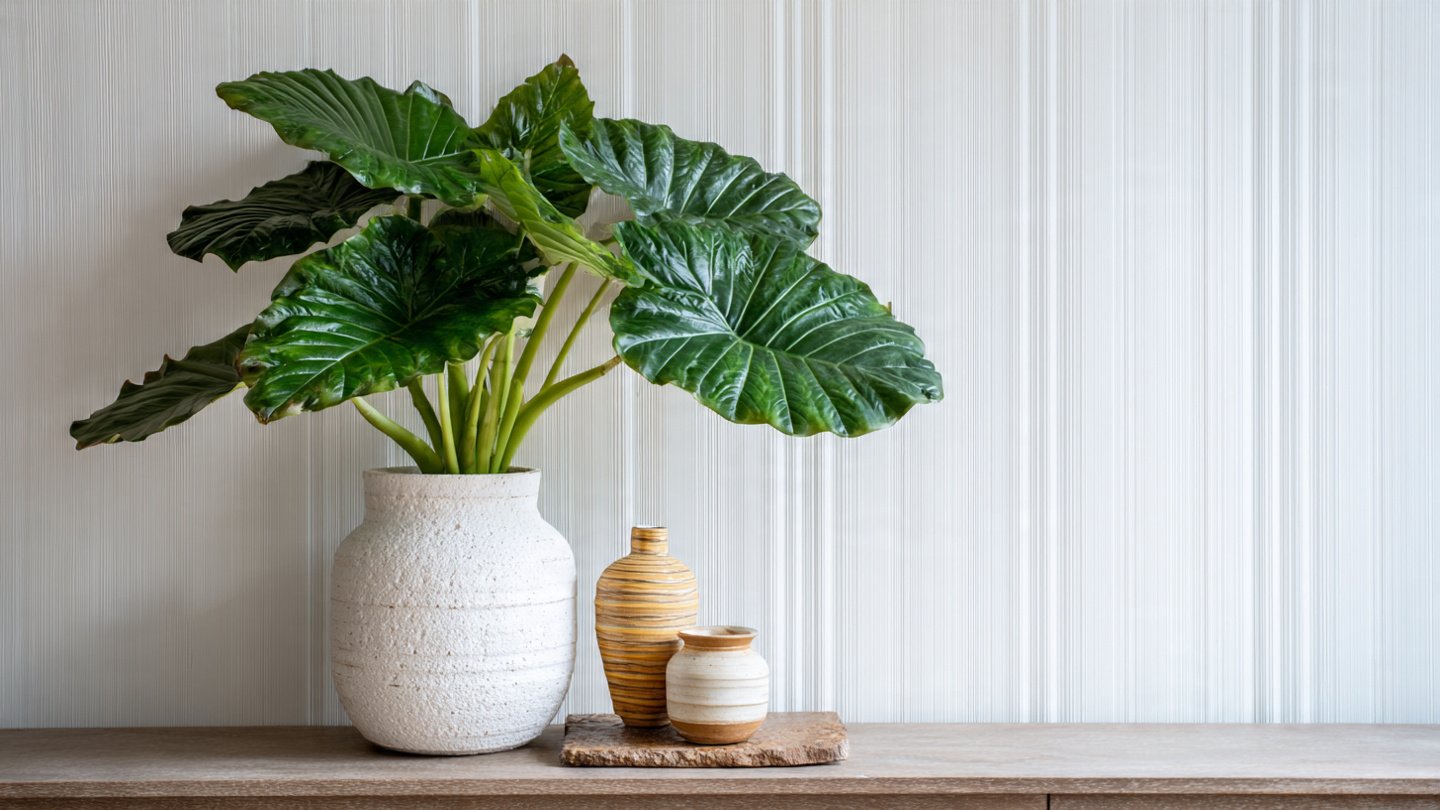
The Alocasia elephant ear plant, with its oversized leaves and striking appearance, can be a stunning addition to your home decor. Known for its dramatic foliage and tropical vibes, this plant not only serves as an impressive focal point but also enhances the overall aesthetic of any room. In this article, we will explore how to cultivate Alocasia elephant ear plants, providing tips on care, propagation, and more.
1. Understanding the Alocasia Elephant Ear
Scientific Classification
Latest Posts
- A Comprehensive Guide to Successfully Growing Grape Vines in Your Backyard for Beginners and Experts Alike
- Best Tips for Successful Mango Growth in Containers
- Discover the Simple Steps for Successfully Growing Coriander in a Pot
- Discovering the Ultimate Guide to Growing African Violets from Leaf Cuttings
- Simple Techniques for Successfully Growing Seedless Grapes in Home Gardens
- Ultimate Guide to Growing Balsam Plants Naturally for Vibrant Blooms
- Discover the Secrets to Growing Lush Leek Leaves with Simple Hacks for Beginners
- How to Successfully Cultivate Sweet Cherries in the Unique Climate of Canada
- The Ultimate Guide to Successfully Growing Beautiful Succulent Garden Plants at Home
- A Comprehensive Guide to Growing Dhania from Seeds for Beginners
- Name: Alocasia macrorrhiza
- Family: Araceae
- Origin: Southeast Asia
The Alocasia elephant ear plant is known for its large, heart-shaped leaves that can grow up to 3 feet long. The plant thrives in warm and humid environments, making it well-suited for indoor cultivation in temperate climates.
1.1 Characteristics
- Leaves: The most striking feature, these leaves are bold and can grow up to a foot wide, resembling the ears of an elephant.
- Height: Depending on varieties, they can reach heights of 3 to 6 feet.
- Flowers: While they can produce flowers, they are often grown more for their foliage.
2. Choosing the Right Spot for Alocasia
Before you bring an Alocasia elephant ear into your home, it’s essential to select an optimal location.
2.1 Light Conditions
Alocasia elephant ear plants thrive under bright, indirect sunlight. Direct sunlight can scorch their delicate leaves. Ideal conditions include:

- East-Facing Window: Provides morning light, ideal for growth.
- Filtered Light: Through sheer curtains can be beneficial.
2.2 Temperature and Humidity
- Temperature: Prefers temperatures between 65°F and 80°F (18°C – 27°C).
- Humidity: Alocasia plants love humidity. Aim for humidity levels of 50% to 70%.
Tip: If humidity in your home is low, consider using a humidifier or humidity tray.
3. Soil Requirements
Choosing the right soil is crucial for the health of your Alocasia. Opt for well-draining potting mixes that promote aeration and moisture retention.
3.1 Recommended Soil Types
- Potting Mix: A peat-based potting mix is suitable.
- Coconut Coir: Helps retain moisture.
- Perlite or Pumice: Enhances drainage and aeration.
3.2 pH Level
The ideal pH for Alocasia is between 5.5 and 6.5. You can use a basic soil pH tester to check your potting mix.
4. Watering Alocasia Elephant Ear
4.1 Understanding Water Needs
Alocasia plants require consistent moisture but cannot stand sitting in water. Overwatering can lead to root rot. Follow these watering tips:
- Frequency: Water when the top inch of soil feels dry, typically every 1-2 weeks.
- Method: Water thoroughly, allowing excess water to drain out.
- Seasonal Changes: Reduce watering in the winter months when the plant is dormant.
5. Fertilizing Your Plant
Fertilizing is essential to keep your Alocasia healthy and vibrant.
5.1 When to Fertilize
- Growing Season: Fertilize during the spring and summer months when the plant is actively growing.
- Frequency: Every 4-6 weeks with a balanced liquid fertilizer.
5.2 Recommended Fertilizers
- Balanced Fertilizer: Look for a formula with equal parts nitrogen, phosphorus, and potassium (like a 10-10-10 mix).
- Diluted Fertilizer: Always dilute your fertilizer to avoid burning the roots.
6. Propagating Alocasia Elephant Ear
While propagating Alocasia can be a bit tricky, it can be done through division.
6.1 Division Method
- Timing: Best done in spring when the plant enters its growth phase.
- Preparing: Take the plant out of its pot and gently separate the roots, ensuring each division has at least one healthy leaf.
- Repotting: Plant each division in its pot with fresh soil.
7. Pest and Disease Management
Alocasia is susceptible to pests such as spider mites, aphids, and mealybugs. Regular inspection and treatment can prevent infestations.
7.1 Common Pests
- Spider Mites: Look for webbing on leaves. Treat with insecticidal soap.
- Aphids: Tiny, green insects that can be washed off with water.
- Mealybugs: Resemble cotton fluff. Remove using a cotton swab dipped in alcohol.
7.2 Diseases
- Root Rot: Caused by overwatering. Ensure drenching but allow soil to dry out in between.
- Leaf Spot: Fungal infections can occur in overly humid conditions. Improve airflow around the plant.
8. Styling with Alocasia Elephant Ear
Alocasia elephant ears can be a dramatic addition to your decor. Here are some ideas on how to style them in your home.
8.1 Indoor Placement
- Focal Points: Position them in living rooms or entryways where they can make a statement.
- Group Planting: Plant them alongside smaller houseplants for a layered look.
8.2 Outdoor Usage
In warmer climates, these plants can be featured in patio arrangements or serve as borders in garden beds.
8.3 Pot Selection
- Decorative Pots: Choose pots with bright colors or patterns that complement the foliage.
- Height: Consider raising the pot on plant stands to draw attention to the leaves.
9. Seasonal Care
Adjusting care routines based on the seasons can ensure optimal growth and health of your plant.
9.1 Spring/Summer
- Increase watering and fertilizing frequency during these growth months.
9.2 Fall/Winter
- Reduce watering and stop fertilizing as the plant enters dormancy.
10. FAQs
Q1: Can Alocasia elephant ear be grown indoors?
Yes, Alocasia elephant ear is well-suited for indoor environments, provided they are in bright, indirect light settings and kept in warm and humid conditions.
Q2: How often should I repot my Alocasia elephant ear?

Typically, Alocasia should be repotted every 1-2 years. Signs include roots growing out of the drainage hole or stunted growth.
Q3: Is Alocasia elephant ear toxic to pets?
Yes, Alocasia elephant ear plants are toxic to cats and dogs if ingested. Keep these plants out of reach of pets and children.
Q4: What should I do if my Alocasia leaves turn yellow?
Yellowing leaves can indicate overwatering or insufficient light. Check the soil moisture and lighting conditions and adjust accordingly.
Q5: Can I grow Alocasia elephant ear outside?
Yes, if you live in warmer climates (USDA Zones 9-11). They can add an exotic look to gardens but will need to be brought indoors in colder months.
Q6: How can I increase humidity for my Alocasia?
Ways to increase humidity include grouping plants together, using a humidifier, or placing a humidity tray with water and pebbles beneath the pot.
Q7: How long does an Alocasia elephant ear live?
With proper care, Alocasia elephant ear plants can live for many years, often exceeding a decade.
Cultivating an Alocasia elephant ear plant can significantly enhance your home decor, offering a unique blend of elegance and tropical allure. By following the tips outlined in this article, anyone can successfully grow and maintain this stunning plant, turning your living space into a green oasis. Happy gardening!