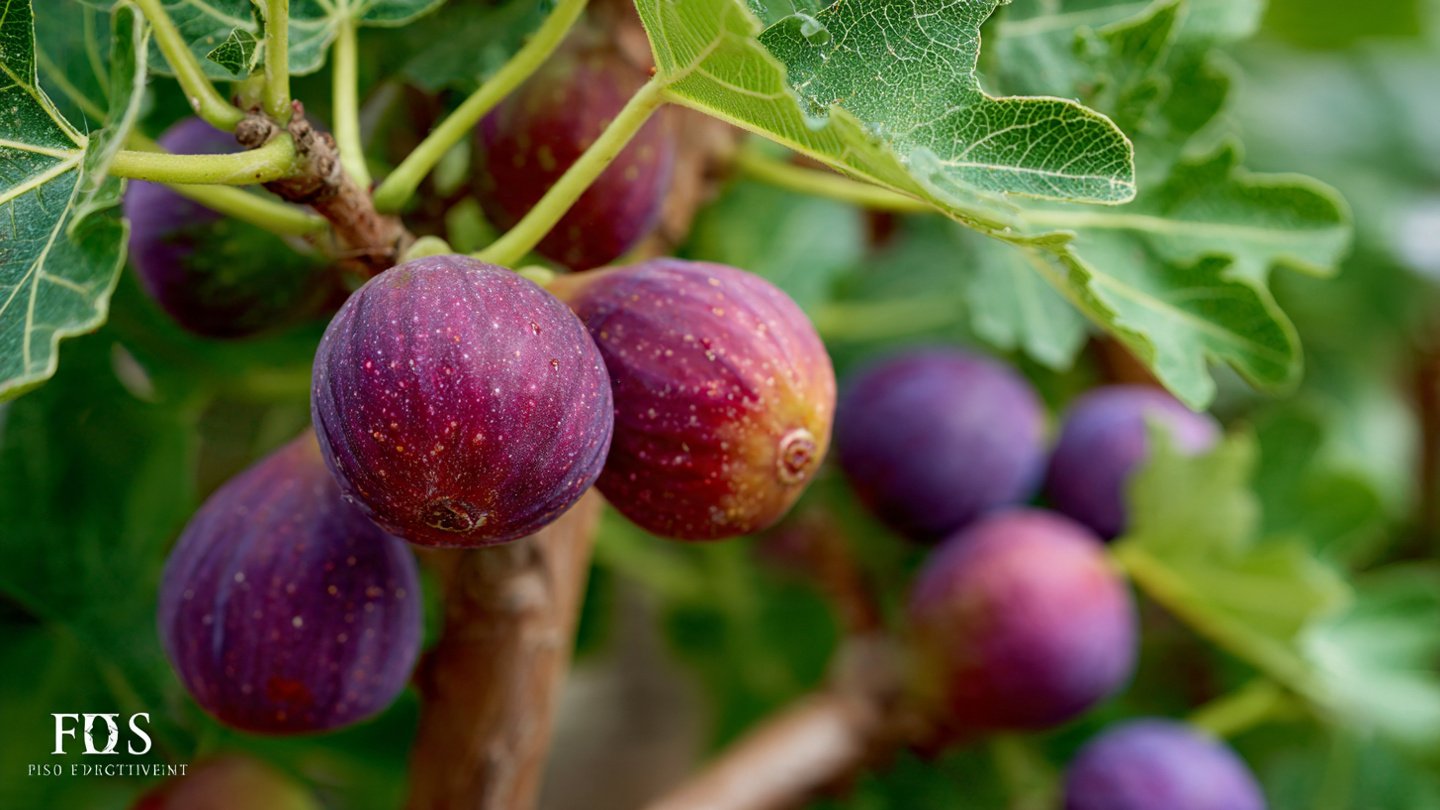
Growing fig trees can be a rewarding endeavor, offering both a delightful bounty of fresh fruit and the beauty of their foliage. Whether you’re a seasoned gardener or a beginner, this comprehensive guide will walk you through the essentials of cultivating fig trees in your backyard. From selecting the right variety to caring for your tree throughout the seasons, you’ll discover all you need to know to enjoy delicious figs year-round.
Understanding Fig Trees
1. Origin and Varieties
Figs (Ficus carica) are among the oldest cultivated plants, tracing back to ancient civilizations in the Mediterranean region. While there are numerous fig varieties, they generally fall into three main categories:
- Common Figs: These are the most widely cultivated and require no pollination to produce fruit. They bear two crops a year: the first in early summer and the second in late summer or early fall.
- Smyrna Figs: These require pollination from a specific wasp to set fruit. They are typically not grown in home gardens.
- Caprifigs: These are male trees primarily used for pollination purposes and do not produce edible fruit.
2. Choosing the Right Variety
When selecting fig trees for your garden, consider your climate and space:
- Brown Turkey: Resilient and adaptable, ideal for various climates with a sweet flavor.
- Celeste: Smaller fruit with a rich, sweet flavor, perfect for cooler climates.
- Smyrna: Best suited for areas where pollination is possible, usually requiring more care.
Planting Fig Trees
1. Preparing the Location
Choosing an optimal location is crucial for fig tree success. Consider the following factors:
- Sunlight: Figs thrive in full sun, requiring at least 6-8 hours of direct sunlight daily.
- Soil: Well-draining soil is essential. Figs prefer sandy or loamy soils with a pH level of 6.0 to 6.5.
- Space: Ensure adequate room for growth. Depending on the variety, fig trees can reach 10 to 30 feet tall and wide.
2. Planting Steps
- Timing: The best time to plant figs is in spring after the last frost or in fall.
- Digging the Hole: Depending on the size of your sapling, dig a hole twice as wide and deep as the root ball.
- Soil Preparation: Mix some compost or aged manure into the soil to enrich it.
- Planting: Place the tree in the hole, ensuring that the top of the root ball is level with the ground surface. Fill in with soil, tamping gently.
- Watering: Water thoroughly to eliminate air pockets.
3. Mulching and Watering
Adding mulch around the base of the tree conserves moisture and suppresses weeds. Aim for 2-4 inches of organic mulch. In the first year, water regularly, about once a week, allowing the soil to dry out between waterings.
Latest Posts
- A Comprehensive Guide to Successfully Growing Grape Vines in Your Backyard for Beginners and Experts Alike
- Best Tips for Successful Mango Growth in Containers
- Discover the Simple Steps for Successfully Growing Coriander in a Pot
- Discovering the Ultimate Guide to Growing African Violets from Leaf Cuttings
- Simple Techniques for Successfully Growing Seedless Grapes in Home Gardens
- Ultimate Guide to Growing Balsam Plants Naturally for Vibrant Blooms
- Discover the Secrets to Growing Lush Leek Leaves with Simple Hacks for Beginners
- How to Successfully Cultivate Sweet Cherries in the Unique Climate of Canada
- The Ultimate Guide to Successfully Growing Beautiful Succulent Garden Plants at Home
- A Comprehensive Guide to Growing Dhania from Seeds for Beginners
Caring for Your Fig Tree
1. Fertilization
Fig trees generally require minimal fertilization. Use a balanced fertilizer in early spring when new growth begins. A slow-release option is beneficial, as it provides nutrients over time.
2. Pruning
Prune your fig tree annually after harvest, typically in winter or early spring. This promotes better air circulation and sunlight penetration and encourages new growth. Remove any dead or crossing branches.
3. Pest and Disease Management
Fig trees are relatively free from pests:
- Common Pests: Aphids, spider mites, and scale insects may appear. Use insecticidal soap or neem oil for treatment.
- Diseases: Root rot and fig rust are the primary concerns. Ensure proper drainage and space around your tree to minimize disease risk.
4. Winter Care
In colder climates (zones below 7), protect your fig tree during winter. Consider wrapping the trunks in burlap or using frost cloths. Mulching around the roots can also help retain warmth.
Harvesting Figs
Figs do not ripen after being picked. Therefore, it’s crucial to harvest them at peak ripeness. Signs that figs are ready to harvest include:
- Color Change: The fig color deepens, which varies by variety.
- Softness: Gently squeeze the fig. It should feel slightly soft to the touch.
- Dropping: Figs that are ready to harvest may start to fall from the tree.
Generally, figs are ready in late summer to early fall.
Enjoying Your Fresh Figs
There are numerous ways to savor your figs:
- Fresh: Eat them raw by themselves or toss them in salads.
- Dried: Dehydrate for a sweet snack or use in desserts.
- Cooked: Roast figs with honey for a delicious topping for meats or cheeses.
Common Challenges
1. Poor Fruit Production
If your fig tree fails to produce fruit, consider these factors:
- Insufficient Pollination: Common figs do not require pollination, but pollination problems can affect Smyrna figs.
- Nutrient Deficiency: Ensure your tree receives adequate nutrition.
- Pruning Issues: Pruning too late or too aggressively can affect production.
2. Leaf Drop
Leaf drop can occur for several reasons:
- Water Stress: Either too much or too little water can result in leaf drop.
- Temperature Fluctuations: Sudden changes can stress the tree.
Regular monitoring and adjustments can help mitigate these issues.
FAQs
1. How long does it take for a fig tree to bear fruit?
Most fig trees can begin to bear fruit within 2 to 3 years of planting. However, fully mature production may take up to 5 years.

2. Can fig trees grow in pots?
Yes, fig trees can thrive in pots, especially smaller varieties. Ensure the pot has good drainage and use a well-draining potting mix.
3. What are the best climates for growing fig trees?
Figs thrive in USDA zones 7-11. They prefer warm, sunny climates but some varieties, like the Brown Turkey, are more adaptable to cooler conditions.
4. What should I do if my fig tree isn’t producing fruit?
Check for proper watering, sunlight, pruning practices, and pest control. Ensure the tree is healthy and that it’s receiving sufficient nutrients.
5. Can I grow multiple fig varieties together?
Yes, different varieties can be grown together, but ensure they have enough space to prevent overcrowding and to allow for adequate air circulation.
Conclusion
Growing fig trees in your backyard can be a fulfilling venture, providing delicious, fresh fruit and beautiful greenery. With proper care, you can ensure a bountiful harvest and enjoy these unique fruits year-round. Start your fig tree journey today, and soon you’ll be savoring the sweet rewards of your labor!