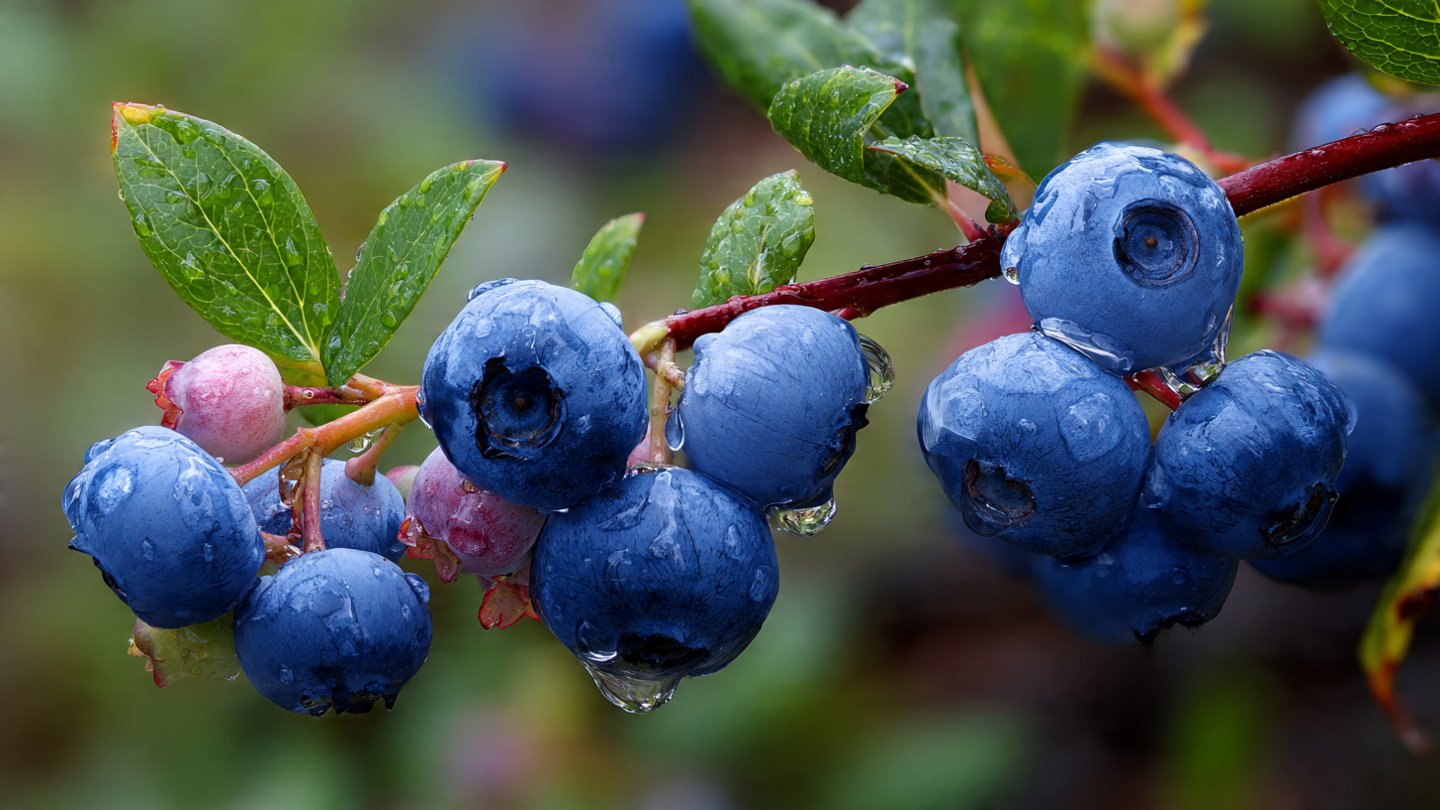
Blueberries are a beloved fruit in Canada, appreciated not only for their delightful taste but also for their nutritional benefits. Among the different varieties of blueberries, highbush blueberries (Vaccinium corymbosum) stand out as an excellent choice for Canadian climates. This comprehensive guide will walk you through the journey of successfully cultivating highbush blueberries in your garden, from site selection to harvesting.
Understanding Highbush Blueberries
Highbush blueberries are shrubs that typically grow to about 1.2 to 2.4 meters (4 to 8 feet) in height. They are native to North America and prefer environments with acidic soil and consistent moisture. This variety thrives in zones 3-7, making it ideally suited for most Canadian provinces.
Benefits of Growing Highbush Blueberries
- Nutritional Value: High in vitamins C and K, antioxidants, and fiber.
- Versatility: Can be used fresh, frozen, or in recipes like jams, jellies, and desserts.
- Pollinator-Friendly: Attracts bees and other pollinators.
- Eco-Friendly: Requires fewer pesticides compared to other crops.
Selecting the Right Site
Choosing an appropriate site is crucial for the healthy growth of highbush blueberries. Follow these guidelines:
1. Sunlight Requirements
Blueberries thrive in full sun, requiring at least 6-8 hours of direct sunlight each day. Look for an open space that is not shaded by trees or buildings.

2. Soil Condition
Highbush blueberries prefer acidic soil with a pH between 4.5 and 5.5. Conduct a soil test to determine your soil’s current pH and nutrient composition and amend accordingly:
Latest Posts
- A Comprehensive Guide to Successfully Growing Grape Vines in Your Backyard for Beginners and Experts Alike
- Best Tips for Successful Mango Growth in Containers
- Discover the Simple Steps for Successfully Growing Coriander in a Pot
- Discovering the Ultimate Guide to Growing African Violets from Leaf Cuttings
- Simple Techniques for Successfully Growing Seedless Grapes in Home Gardens
- Ultimate Guide to Growing Balsam Plants Naturally for Vibrant Blooms
- Discover the Secrets to Growing Lush Leek Leaves with Simple Hacks for Beginners
- How to Successfully Cultivate Sweet Cherries in the Unique Climate of Canada
- The Ultimate Guide to Successfully Growing Beautiful Succulent Garden Plants at Home
- A Comprehensive Guide to Growing Dhania from Seeds for Beginners
- Amend for Acidity: If your soil is alkaline, you can amend it with elemental sulfur, peat moss, or composted pine bark.
- Good Drainage: Ensure the soil has good drainage to prevent root rot.
3. Protect from Wind
Plant your blueberries in a location that is sheltered from strong winds to protect the flowers and fruit during early growth stages.
Choosing the Right Varieties
When selecting highbush blueberry varieties, consider your local climate and desired attributes:
- Northcountry: Cold-hardy and great for colder regions.
- Patriot: Known for large, flavorful berries, ideal for northern climates.
- Bluecrop: A versatile variety that produces medium-sized berries and is disease-resistant.
Planting Highbush Blueberries
1. Timing
The optimal time for planting highbush blueberries in Canada is early spring, after the last frost. This timing allows the plants to establish their root systems before summer heat sets in.
2. Planting Procedure
- Digging the Hole: Make a hole twice the size of the root ball.
- Spacing: Space plants 1.2 to 1.8 meters (4-6 feet) apart to allow for bush growth.
- Backfill: Use well-amended soil to backfill the hole. Avoid compacting the soil.
- Watering: Water immediately after planting and ensure the soil stays consistently moist.
Caring for Highbush Blueberries
1. Watering
Highbush blueberries need 1 to 1.5 inches of water per week, especially during fruiting. Drip irrigation is effective, as it provides moisture directly to the roots without wetting the foliage.
2. Fertilizing
Blueberries benefit from a fertilizer formulated for acid-loving plants. Follow these guidelines:
- Apply fertilizer in spring when the plants start to leaf out.
- Avoid excess nitrogen, as it can lead to poor fruiting.
3. Pruning
Pruning is essential for maintaining plant health and productivity. Here’s the best approach:
- Young Plants: Remove weak or broken branches and any suckers from the base.
- Established Plants: Annually remove about 20% of the oldest canes to promote new growth. This ensures a good production of fruit.
4. Mulching
Apply a layer of organic mulch, such as pine bark or wood chips, around each plant. Mulch helps retain moisture, suppress weeds, and maintain soil acidity.
Pest and Disease Management
Highbush blueberries are relatively resistant to pests and diseases, but monitoring is essential. Here are common issues and solutions:
Pests
- Blueberry Maggot: Use yellow sticky traps to monitor and trap adult flies.
- Spider Mites: Keep foliage moist and consider using insecticidal soap if infestations occur.
Diseases
- Powdery Mildew: Ensure good air circulation through pruning and avoid overhead watering.
- Root Rot: Prevent by ensuring good drainage and avoiding overwatering.
Harvesting Highbush Blueberries
Harvesting typically occurs from mid-summer to late summer, depending on the variety and climate. Here’s how to do it properly:
- Timing: Wait until the berries are fully ripe (blue color) and firm to the touch. Tasting is also a good indicator!
- Method: Gently grasp the cluster and roll the berries off, being careful not to damage the fruit or the plant.
- Storage: Store harvested blueberries in a cool, dry place. They can be refrigerated for up to two weeks.
FAQs
1. Can I grow highbush blueberries in containers?
Yes, highbush blueberries can be grown in containers, provided the pots are large enough (at least 45-50 liters) and filled with acidic potting mix. Ensure adequate drainage.
2. How do I know if my soil is acidic enough for blueberries?
You can conduct a soil test through local agricultural extension services or purchase a DIY soil pH test kit. If the pH is higher than 5.5, you may need to amend your soil.

3. How long does it take for highbush blueberries to start producing fruit?
Highbush blueberries typically begin producing fruit in their second or third year after planting. Full production may take up to six years.
4. What are the best companion plants for blueberries?
Companion plants that enjoy similar acidic conditions include raspberries, cranberries, and certain herbs like mint. Avoid planting with tomatoes or cabbage family members, as they may draw pests.
5. How can I protect my blueberries from birds?
Using netting is an effective way to shield your blueberries from birds. Additionally, wind chimes or reflective tape can help deter them.
6. Is it necessary to prune highbush blueberries every year?
While not strictly necessary, annual pruning helps maintain plant health, encourages new growth, and improves fruit quality. It’s especially important for older plants.
By following this guide to cultivating highbush blueberries, you can reap the rewards of delicious, home-grown fruit even in the variable Canadian climate. Whether you are a novice gardener or an experienced horticulturist, these tips will help ensure your blueberry bushes thrive and produce bountifully for years to come. Happy gardening!