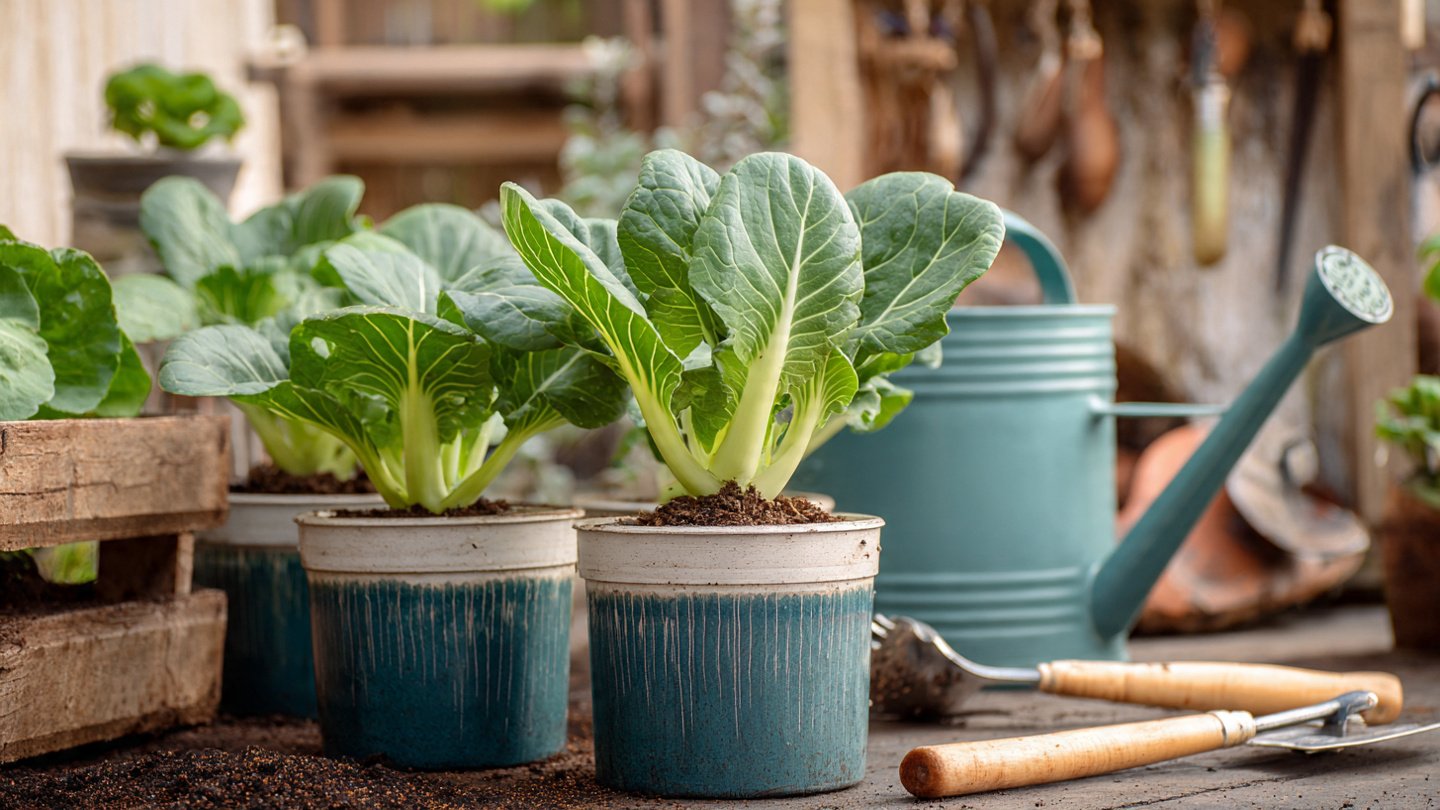
Growing bok choy (Brassica rapa var. chinensis) in containers can be a rewarding experience for anyone, especially for beginners or those with limited gardening space. This leafy green, popular in Asian cuisine, sprouts quickly and is packed with nutrients. In this ultimate guide, we’ll cover everything you need to know about growing bok choy in containers, including choosing the right pots, soil, sunlight requirements, watering, pest control, and harvesting.
Why Grow Bok Choy in Containers?
Space Efficiency
Latest Posts
- A Comprehensive Guide to Successfully Growing Grape Vines in Your Backyard for Beginners and Experts Alike
- Best Tips for Successful Mango Growth in Containers
- Discover the Simple Steps for Successfully Growing Coriander in a Pot
- Discovering the Ultimate Guide to Growing African Violets from Leaf Cuttings
- Simple Techniques for Successfully Growing Seedless Grapes in Home Gardens
- Ultimate Guide to Growing Balsam Plants Naturally for Vibrant Blooms
- Discover the Secrets to Growing Lush Leek Leaves with Simple Hacks for Beginners
- How to Successfully Cultivate Sweet Cherries in the Unique Climate of Canada
- The Ultimate Guide to Successfully Growing Beautiful Succulent Garden Plants at Home
- A Comprehensive Guide to Growing Dhania from Seeds for Beginners
One of the main benefits of growing bok choy in containers is that it allows you to garden in limited space. Whether you have a tiny balcony, a patio, or just a small deck, containers enable you to grow fresh vegetables without needing a traditional garden bed.
Mobility
Containers can be moved around, allowing you to optimize sunlight exposure and protect your plants from harsh weather conditions. This flexibility makes it easier to care for your bok choy throughout the growing season.
Aesthetic Appeal
Bok choy has a rich green color and a unique shape that can enhance your outdoor or indoor decor. A collection of container plants can add beauty to your space.
Choosing the Right Container
Size Matters
Bok choy grows best in containers that are at least 1 to 2 gallons in size. A larger container will provide the roots with more room to grow, which can lead to healthier plants.
Proper Drainage
Ensure your container has sufficient drainage holes. Bok choy does not like “wet feet,” so proper drainage is crucial to prevent root rot.
Material
Containers can be made from various materials, including plastic, clay, or fabric. Choose a material that retains moisture yet allows for adequate airflow.
Selecting the Right Soil
Well-Draining Potting Mix
A high-quality potting mix is essential for growing bok choy. Look for a soil mix that is lightweight and drains well. You can create your own mix by combining:
- 1 part potting soil
- 1 part perlite or vermiculite
- 1 part compost or well-rotted manure
Nutrient-Rich
Bok choy is a fast-growing leafy green that benefits from nutrient-dense soil. Consider mixing in a slow-release fertilizer or organic amendments to ensure your plants receive the necessary nutrients.
Sunlight Requirements
Bok choy thrives in full sun but can tolerate partial shade, especially in warmer climates. Aim for at least 6 hours of sunlight a day.
Location
- In Summer: If temperatures are consistently above 80°F (27°C), provide afternoon shade to prevent bolting (going to seed).
- In Winter: A south-facing location will help maximize sunlight exposure during the shorter days.
Planting Bok Choy Seeds
Timing
Bok choy can be grown in both spring and fall. Plant seeds 2 to 4 weeks before the last frost in spring or 4 to 6 weeks before the first frost in fall.
Planting Depth and Spacing
- Seeds: Sow seeds about 1/4 to 1/2 inch deep.
- Spacing: If sowing multiple seeds, aim to space them 6 to 8 inches apart once they germinate. For smaller containers, consider a density of 4 to 6 plants per container.
Germination
Seeds typically germinate within 7 to 14 days. Keep the soil consistently moist but not soggy during this period.
Watering Guidelines
Consistency Is Key
Bok choy prefers consistent moisture. Water your plants regularly to prevent soil from drying out, especially in warm weather.
Signs of Overwatering or Underwatering
- Overwatering: Yellowing leaves and wilting plants.
- Underwatering: Wilting and dry, crispy leaves.
Best Practices
- Moisture Check: Stick your finger in the soil. If the top inches are dry, it’s time to water.
- Watering Method: Water at the base of the plant rather than from above to avoid fungal diseases.
Fertilizing Your Bok Choy
Type of Fertilizer
A balanced, water-soluble fertilizer can be beneficial. Look for a formula with equal parts nitrogen, phosphorus, and potassium (e.g., 10-10-10).
Frequency
Once your plants are established, apply fertilizer every 4 to 6 weeks. Be careful not to over-fertilize, as excessive nutrients can lead to more leaves but fewer flavors.
Pest Control and Maintenance
Common Pests
Bok choy is susceptible to various pests, including:
- Aphids: Small insects that cluster on new growth.
- Cabbage Worms: Green caterpillars that chew through leaves.
- Flea Beetles: Tiny beetles that create small holes in leaves.
Preventative Measures
- Insecticidal Soap: A non-toxic treatment that can help eliminate pests.
- Companion Planting: Growing herbs like basil or marigold nearby can deter pests.
- Row Covers: Placing a lightweight fabric cover can protect young plants from pests.
Organic Solutions
If you prefer organic methods, consider using neem oil or diatomaceous earth to manage pest problems.
Harvesting Bok Choy
When to Harvest
Typically, bok choy is ready for harvest 30 to 60 days after planting. Harvest when the leaves are 6 to 8 inches long and the plant has a healthy, robust appearance.
Harvesting Techniques
- Cutting: Use a sharp knife to cut the plant just above the base.
- Leaf Picking: Alternatively, you can harvest outer leaves as needed, allowing the center to continue growing.
Storage Tips
Store bok choy in the refrigerator, ideally in a loose plastic bag. It’s best used fresh but can stay good for about 3 to 5 days.
FAQs
1. How much sunlight does bok choy need?
Bok choy thrives in full sun for at least 6 hours a day but can tolerate partial shade, particularly in hotter climates.
2. Can I grow bok choy indoors?
Yes! Bok choy can be grown indoors as long as it receives adequate sunlight. A sunny windowsill or a grow light can work well.
3. How often should I water bok choy?
Water your bok choy regularly, keeping the soil consistently moist but not soggy. Check the top inch of the soil; if it’s dry, it’s time to water.
4. What is the ideal temperature for growing bok choy?
Bok choy prefers cooler temperatures, ideally between 60°F to 70°F (15°C to 21°C). It can bolt if temperatures consistently exceed 80°F (27°C).
5. How do I know when bok choy is ready to harvest?
Bok choy is ready to harvest when the leaves are 6 to 8 inches long and the plant appears healthy with a robust structure.
6. Can I grow bok choy from store-bought seedlings?
Yes, you can transplant store-bought seedlings into your containers. Make sure they are healthy and free of pests.
7. What type of fertilizer should I use?
Use a balanced, water-soluble fertilizer, such as a 10-10-10 formulation, every 4 to 6 weeks during the growing season.
8. How long does it take for bok choy seeds to germinate?
Bok choy seeds generally germinate within 7 to 14 days.
Conclusion
Growing bok choy in containers is an engaging and practical way to enjoy fresh vegetables right from your home. With the right container, soil, watering practices, and pest control, even beginners can cultivate this nutritious green with ease. Whether you’re adding bok choy to stir-fries, salads, or soups, your efforts will bring delicious results that you can savor throughout the growing season. Happy gardening!