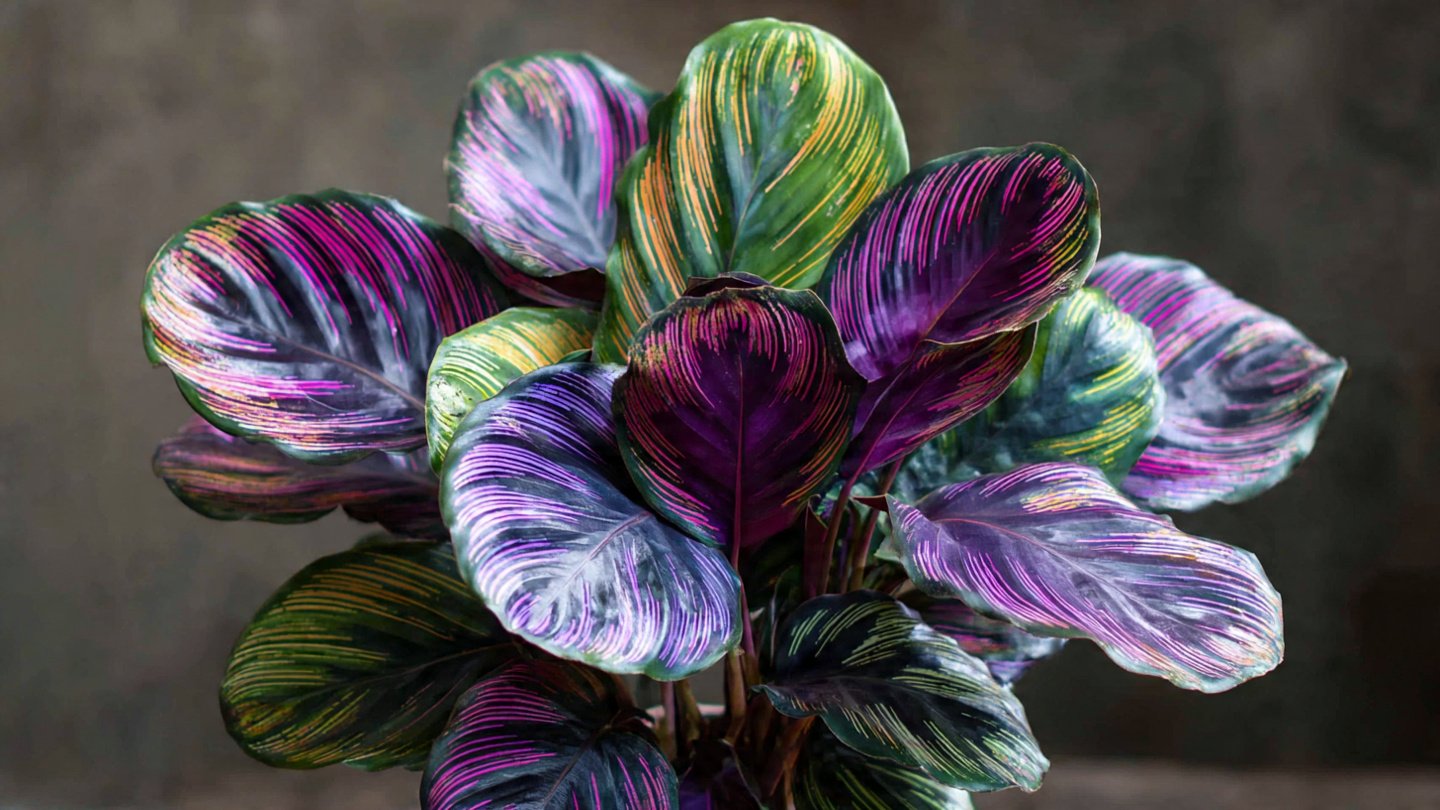
Calathea plants, often referred to as “prayer plants,” are a beloved choice for indoor gardening enthusiasts and outdoor landscape decorators alike. Known for their striking foliage and unique patterns, they can instantly elevate your garden or home interior. However, many potential gardeners may feel daunted by the perceived complexity of their care. Fear not—this guide will walk you through an easy method to grow Calathea successfully, ensuring your decorative garden flourishes without unnecessary stress.
Understanding Calathea: An Overview
Calathea belongs to the Marantaceae family, boasting over 200 species. Famous for their vibrant leaves, these tropical plants are native to the rainforests of Central and South America. They prefer a humid environment with low to medium light, which makes them perfect for growing indoors or in shaded outdoor areas. Their striking leaf patterns come in various textures and colors, adding an exotic touch to any garden setting.
Latest Posts
- A Comprehensive Guide to Successfully Growing Grape Vines in Your Backyard for Beginners and Experts Alike
- Best Tips for Successful Mango Growth in Containers
- Discover the Simple Steps for Successfully Growing Coriander in a Pot
- Discovering the Ultimate Guide to Growing African Violets from Leaf Cuttings
- Simple Techniques for Successfully Growing Seedless Grapes in Home Gardens
- Ultimate Guide to Growing Balsam Plants Naturally for Vibrant Blooms
- Discover the Secrets to Growing Lush Leek Leaves with Simple Hacks for Beginners
- How to Successfully Cultivate Sweet Cherries in the Unique Climate of Canada
- The Ultimate Guide to Successfully Growing Beautiful Succulent Garden Plants at Home
- A Comprehensive Guide to Growing Dhania from Seeds for Beginners
Why Choose Calathea?
- Aesthetic Appeal: The mesmerizing leaf patterns can vary from deep greens to silver, making them a focal point in any garden.
- Air Quality Improvement: Like many houseplants, Calathea helps purify the air by removing toxins.
- Low-Light Tolerance: Calathea can thrive in indirect light, making it ideal for dimly lit spaces.
Growing Calathea: The Easy Method
Step 1: Choose the Right Location
Choosing the appropriate environment for your Calathea is vital. Follow these guidelines:
- Light: Place your Calathea in a spot with bright, indirect sunlight. Direct sunlight can scorch the leaves, leading to browning edges and discoloration.
- Temperature: Calathea thrives in temperatures ranging from 65°F to 80°F (18°C to 27°C). Protect your plants from extreme temperature fluctuations and chilly drafts.
- Humidity: High humidity is essential. Aim for levels between 50-70%. You can achieve this by misting the leaves regularly or placing a humidifier nearby.

Step 2: Selecting the Right Soil
Calathea prefers well-draining, nutrient-rich soil. Opt for a potting mix designed for tropical plants or create your own by mixing:
- 50% potting soil
- 25% peat moss
- 25% perlite or sand
This combination will ensure good drainage while retaining moisture, preventing root rot.
Step 3: Potting Your Calathea
Choosing the right pot is crucial for the successful growth of your Calathea.
- Size: Select a pot that’s one size larger than the current one, allowing room for growth without being too oversized.
- Drainage: Ensure it has drainage holes to prevent water from accumulating at the bottom.
- Fill the pot with soil up to about 1 inch below the rim.
- Carefully remove the Calathea from its original pot and place it in the new one.
- Fill around the edges with soil, ensuring your plant is secure and upright.
- Water it well to help settle the soil.

Step 4: Watering Your Calathea
Consistent watering is crucial for Calathea. Here’s how to ensure they thrive:
- Frequency: Water when the top inch of soil feels dry. During growing seasons (spring and summer), Calathea may require more frequent watering—about once a week. In fall and winter, reduce the frequency.
- Water Quality: Calathea is sensitive to chemicals in tap water, such as fluoride and chlorine. Use distilled water, rainwater, or water that has been allowed to sit out for 24 hours.
Step 5: Fertilizing Your Calathea
Nourishment is key to maintaining lush foliage.
- Type: Use a balanced, water-soluble fertilizer (such as 10-10-10) diluted to half the recommended strength.
- Frequency: Fertilize every 4-6 weeks during the growing season (spring and summer). Avoid fertilizing in fall and winter.
Step 6: Pruning and Maintenance
To promote healthy growth and reduce stress on the plant:

- Remove any yellowing or brown leaves regularly.
- Trim off dead or damaged leaves using sterilized scissors to prevent disease.
- Rotate your plant occasionally for even growth and exposure to light.
Step 7: Pest Management
Keep an eye out for common pests such as spider mites, aphids, and mealybugs:
- Prevention: Maintain humidity levels and avoid overhead watering.
- Treatment: If infestations occur, wipe the leaves with a damp cloth or use insecticidal soap to treat the affected areas.
Step 8: Repotting
Calathea generally requires repotting every 1-2 years, or when they outgrow their container. Signs that your plant needs repotting include:
- Roots growing out of the drainage holes.
- Stunted growth or yellowing leaves despite proper care.
Step 9: Troubleshooting Common Issues
Even with the best care, issues can arise. Here are common symptoms and solutions:
- Brown Leaf Edges: This often indicates low humidity. Increase humidity by misting or using a pebble tray.
- Droopy Leaves: This may be a sign of underwatering. Check the soil moisture and water accordingly.
- Pale Leaves: This can occur due to too much direct sunlight. Relocate the plant to a spot with indirect light.
Creating a Stunning Decorative Garden
By successfully growing Calathea, you can create a stunning decorative garden that impresses all who visit. Here are a few tips to design an eye-catching layout:
- Group Plants: Plant several varieties together to create dynamic textures and colors.
- Layering: Position taller plants at the back and shorter ones at the front to showcase their beauty.
- Use Containers: Incorporate different pot styles to add character and visual interest.
Conclusion
Growing Calathea can be a rewarding experience that transforms your gardening space into a lush, tranquil haven. By following this easy method, you’ll master the art of caring for these beautiful plants without the stress.
FAQs About Growing Calathea
1. Can Calathea be grown outdoors?
Yes, Calathea can be grown outdoors in warmer, humid climates. However, they should be placed in shaded areas to protect them from direct sunlight.

2. How often should I mist my Calathea?
Misting your Calathea 2-3 times a week is generally sufficient to maintain humidity. However, monitor the humidity levels and adjust as needed.
3. What should I do if my Calathea leaves curl?
Curling leaves can indicate underwatering or low humidity. Check the soil moisture and consider increasing the humidity level around the plant.
4. Are Calathea pets safe?
Yes, Calathea plants are non-toxic to pets, making them a safe choice for homes with dogs and cats.
5. How long do Calathea plants live?
With proper care, Calathea plants can live for several years, often thriving for over a decade.
6. Can I propagate Calathea?
Yes, Calathea can be propagated through division. When repotting, carefully separate the rhizomes and replant them in new pots.
By adhering to these straightforward guidelines, you can grow and maintain Calathea effortlessly, enriching your garden’s aesthetics and contributing to a calming atmosphere in your home. Happy gardening!