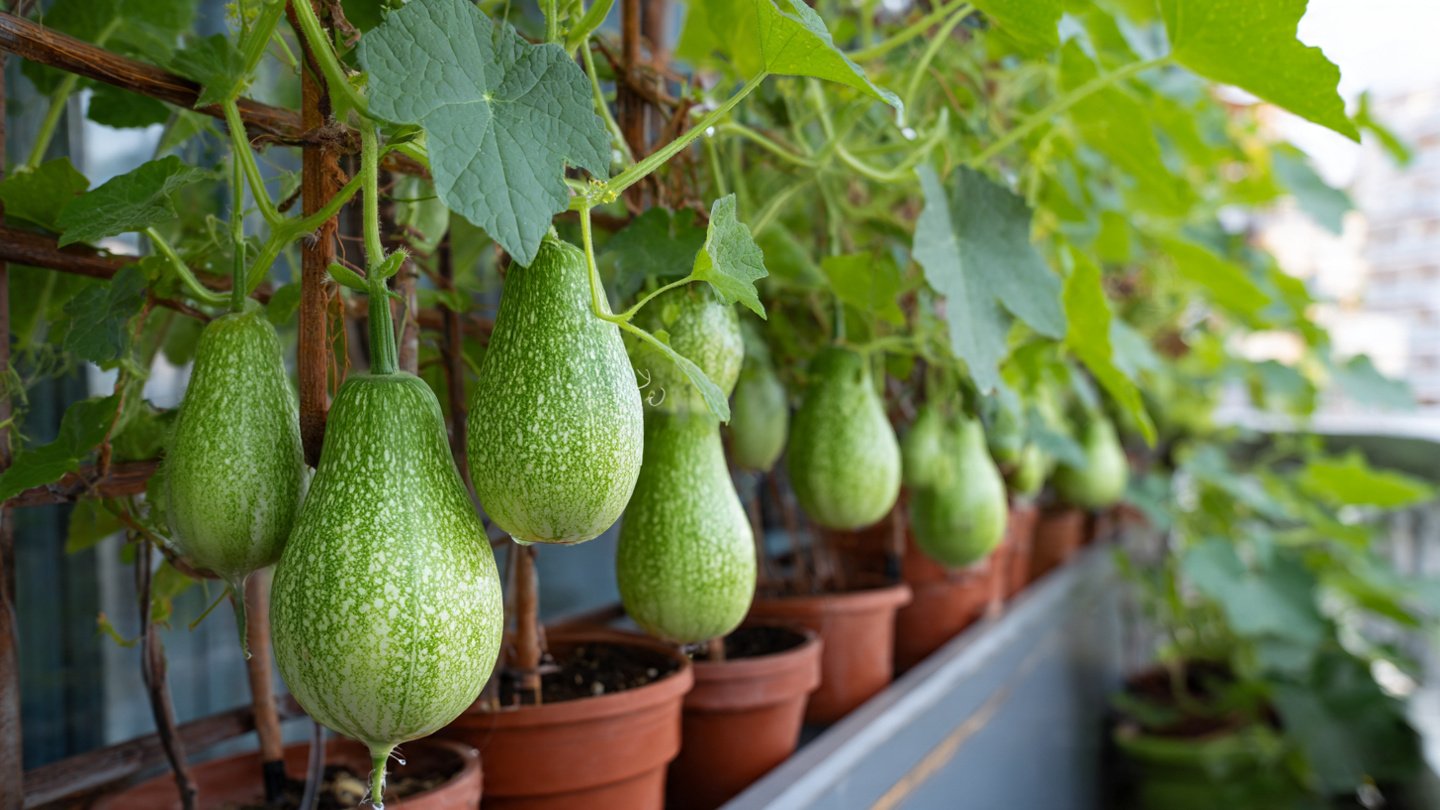
Sponge gourd, also known as loofah or luffa, is not just an intriguing vegetable; it’s a treasure trove of culinary and practical uses. This unique plant bears fruits that can be harvested at various stages for consumption, while mature fruits can be transformed into natural sponges. Whether you are a novice gardener or have years of experience under your belt, growing sponge gourd in pots can be rewarding. This guide will take you through everything you need to know, from selecting the right pot to harvest day.
1. Understanding Sponge Gourd
Sponge gourd (Luffa aegyptiaca) is a fast-growing climbing plant that thrives in warm climates. It is scientifically related to cucumbers and zucchinis and can develop two types of produce: soft, edible fruits harvested immaturely and tough, fibrous fruits collected when mature to create natural sponges. The vine typically has large leaves, attractive yellow flowers, and can grow vigorously, making it suitable for vertical gardening in limited spaces.
Latest Posts
- A Comprehensive Guide to Successfully Growing Grape Vines in Your Backyard for Beginners and Experts Alike
- Best Tips for Successful Mango Growth in Containers
- Discover the Simple Steps for Successfully Growing Coriander in a Pot
- Discovering the Ultimate Guide to Growing African Violets from Leaf Cuttings
- Simple Techniques for Successfully Growing Seedless Grapes in Home Gardens
- Ultimate Guide to Growing Balsam Plants Naturally for Vibrant Blooms
- Discover the Secrets to Growing Lush Leek Leaves with Simple Hacks for Beginners
- How to Successfully Cultivate Sweet Cherries in the Unique Climate of Canada
- The Ultimate Guide to Successfully Growing Beautiful Succulent Garden Plants at Home
- A Comprehensive Guide to Growing Dhania from Seeds for Beginners
Benefits of Growing Sponge Gourd
- Nutritional Value: Low in calories and rich in vitamins A and C, sponge gourd contributes to a healthy diet.
- Versatility: It can be used in various dishes, including stir-fries, soups, and salads.
- Natural Scrubbers: Dried loofah can be used as an eco-friendly alternative to synthetic sponges.
2. Selecting the Right Pot
Choosing the right pot is crucial for the successful growth of sponge gourd. Here are some guidelines:
Size
- Minimum 5-Gallon Capacity: Sponge gourd requires space for its sprawling roots. A pot with a capacity of at least 5 gallons (19 liters) is preferable.
- Depth: A depth of about 12-18 inches (30-46 cm) allows for sufficient root growth.

Material
- Plastic, Clay, or Ceramic: Opt for lightweight materials for easier mobility, but ensure they have drainage holes. Clay and ceramic are more aesthetically pleasing but heavier.
Location
Place the pots in a sunny area—sponge gourd thrives with at least 6-8 hours of sunlight daily.
3. Soil Requirements
The right soil mix is vital for healthy sponge gourd growth. Here’s what you should consider:
Soil Type
- Well-Draining Soil: Use a mix that includes potting soil, compost, and perlite or sand to aid drainage.
- pH Level: Sponge gourd prefers slightly acidic to neutral soil (pH 6.0-7.0).
Nutrients
Incorporating organic compost can provide the necessary nutrients for growth. A slow-release fertilizer can also be mixed in at planting time.
4. Planting Sponge Gourd Seeds
When to Plant

- Temperature: Wait until the soil temperature is consistently above 70°F (21°C) to ensure seeds germinate effectively.
- Season: Sponge gourd is typically planted in spring when the last frost has passed.
How to Plant
- Pre-soaking Seeds: Soak the seeds in water for 24 hours before planting to aid germination.
- Seeding: Plant 2-3 seeds about 1 inch deep in the prepared pot. Thin them later to leave the healthiest seedling.
Spacing
If growing multiple plants, space pots at least 3-4 feet apart to allow room for growth and airflow.
5. Caring for Your Sponge Gourd Plant
Watering
- Moisture Level: Keep the soil consistently moist but not soggy. Water deeply once or twice a week depending on the weather.
- Mulching: Add mulch to retain soil moisture and suppress weeds.
Sunlight
- Ensure your sponge gourd receives adequate sunlight daily, as this plant loves warmth.

Fertilization
- Frequency: Apply a balanced fertilizer every four to six weeks during the growing season. Opt for organic options to promote healthy growth.
Pruning and Training
Sponge gourd plants can be trained to grow vertically, making them ideal for pot gardening. Use trellises or cages:
- Pruning: Prune unwanted growth and any diseased leaves to encourage air circulation and fruit development.
- Training: Gently bend the vines to follow the trellis as they grow, securing them with soft ties if necessary.
6. Pest and Disease Management
Common Pests
- Aphids: Small, green bugs that can curl and damage leaves. Consider using insecticidal soap.
- Whiteflies: Another sap-sucking insect. Yellow sticky traps can help control their populations.
Diseases
- Powdery Mildew: A fungal disease that can spread in high humidity. Improve air circulation and remove affected leaves.
- Root Rot: Caused by overwatering. Ensure proper drainage and avoid letting the plant sit in water.

Prevention Tips
- Regularly inspect plants for signs of pests or disease.
- Maintain cleanliness by removing dead leaves and debris from around the pot.
7. Harvesting Sponge Gourd
Edible Fruits
- Timing: Harvest when the fruits are young, approximately 6-8 inches long.
- Ripeness: The skin should be tender for culinary use, which usually occurs about 60 days after planting.
Mature Fruits for Sponges
- Timing: If you wish to harvest for loofah sponges, wait until the fruit turns brown and the skin is hard, usually around 120 days.
- Process: Remove the outer skin and rinse the inner fibers to produce a loofah sponge.
8. FAQs
1. Can sponge gourd be grown indoors?
Yes, sponge gourd can be grown indoors with sufficient sunlight. Ensure that you have a space that receives at least 6-8 hours of sunlight daily and consider using grow lights.
2. How long does it take for sponge gourd to grow?

Typically, sponge gourd takes about 60-120 days to grow from seed to harvest, depending on whether you’re harvesting immature edible fruits or mature loofah.
3. Do I need to pollinate sponge gourd plants?
Sponge gourd plants have male and female flowers. While they can self-pollinate, hand-pollinating the flowers can increase your yield. Use a small brush or your finger to transfer pollen from male to female flowers.
4. How often should I water my sponge gourd plant?
Water your sponge gourd deeply once or twice a week, depending on the weather. Ensure the top inch of the soil dries out between waterings.
5. What should I do if my sponge gourd leaves turn yellow?
Yellow leaves can indicate overwatering, nutrient deficiencies, or pest issues. Check the soil moisture and inspect leaves for pests and adjust your care routine as needed.
6. Can I save seeds from my sponge gourd?
Yes, you can save seeds from mature, dried sponge gourds. Collect the seeds when the fruit is dry, rinse them, and let them dry completely before storing them in a cool, dry place.
Conclusion
Growing sponge gourd in pots can be an immensely satisfying endeavor whether you’re a beginner or an experienced gardener. With its nutritional benefits, versatility in cooking, and eco-friendly potential as a sponge, it’s a unique addition to your gardening collection. Follow the guidelines outlined in this guide, and you’ll be well on your way to a thriving sponge gourd plant in no time. Happy gardening!